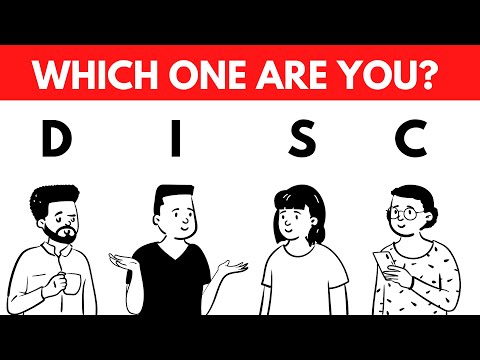
Have you ever thought about why you click with some people and not with others? Like, why your friend loves plans while you just wanna wing it?
Este blog ofrece contenido únicamente con fines informativos, educativos y de reflexión. La información publicada no constituye consejo médico, psicológico ni psiquiátrico, y no sustituye la evaluación, el diagnóstico, el tratamiento ni la orientación individual de un profesional debidamente acreditado. Si crees que puedes estar atravesando un problema psicológico o de salud, consulta cuanto antes con un profesional certificado antes de tomar cualquier decisión importante sobre tu bienestar. No te automediques ni inicies, suspendas o modifiques medicamentos, terapias o tratamientos por tu cuenta. Aunque intentamos que la información sea útil y precisa, no garantizamos que esté completa, actualizada o que sea adecuada. El uso de este contenido es bajo tu propia responsabilidad y su lectura no crea una relación profesional, clínica ni terapéutica con el autor o con este sitio web.
Well, that’s where the DISC personality types come in. They’re a fun way to peek into our behaviors and preferences.
Imagine being able to understand yourself and those around you better. It can totally change how you interact!
In the end, it’s all about figuring out what makes each of us tick. Ready to explore the 16 DISC personality types? Let’s get into it!
Understanding Elon Musk’s DISC Personality Style: Insights into His Leadership Approach
Elon Musk is a pretty fascinating figure, right? His approach to leadership, innovation, and even communication can often leave us scratching our heads. But if you take a closer look through the lens of the DISC personality model, things start to make more sense.
So, what’s the DISC model? It breaks down personality types into four main categories: Dominance, Influence, Steadiness, and Conscientiousness. Each type has its own traits and ways of interacting with the world. Let’s break down how Musk fits into this framework.
1. Dominance
Musk definitely exhibits qualities of a D-type personality. People in this category are known for being decisive, competitive, and results-oriented. They want to get things done—like yesterday! So it’s no surprise Musk is often described as demanding or even relentless in pursuit of his goals. He pushes his teams hard; take Tesla’s production targets as an example—they can be downright insane!
2. Influence
Although he’s mostly a D-type, you can see some I-type traits too. Individuals in this group thrive on social interaction and enthusiasm; they’re persuasive communicators who inspire others. Just think about how Musk uses social media—he engages with fans and critics alike on Twitter (or X) like it’s a casual chat over coffee. This ability to connect really helps him rally support for his ideas.
3. Steadiness
Now here’s where things get interesting! The S-type personality focuses on collaboration and harmony but doesn’t really seem to fit Musk well at first glance—he’s not exactly known for being warm or patient with others during stressful times! But consider this: he does establish strong relationships with key players in his ventures—his partnerships are crucial for success at SpaceX and Tesla.
4. Conscientiousness
Finally, there’s the C type which emphasizes accuracy and reliability as well as structure and organization in their work. It might be easy to overlook this aspect when you think about Elon Musk because he certainly takes risks that seem chaotic to most people! However, beneath that exterior lies a sharp intellect grounded by careful calculations; he knows exactly what he wants from every project he undertakes.
So, let’s wrap this up by saying that Elon Musk isn’t just one simple label wrapped up in a bow; he embodies multiple facets of different DISC types! This blend makes him unique—and sometimes polarizing.
You know what? While understanding someone’s DISC personality style can give valuable insights into their behaviors and leadership approaches it’s still essential to remember that real-life interactions are way more complex than any model can capture! If you’re feeling lost or overwhelmed when dealing with difficult personalities (be it your boss or a family member), talking to someone like a therapist or counselor could be really helpful.
In the end, embracing diverse personalities can offer fresh perspectives on teamwork—and who knows? Maybe you’ll find yourself channeling your inner Elon Musk someday!
The Rarest 16 Personality Types: Discovering the Least Common MBTI Profiles
Sure! Let’s talk about those rare 16 personality types and how they fit into the MBTI framework. There’s a whole ocean of personality profiles out there, but some are just super rare. So, what gives?
The Myers-Briggs Type Indicator (MBTI) breaks down personalities into 16 unique types based on four pairs of opposing traits. But some combinations pop up less often than others, which can make them feel like unicorns in a field full of horses.
For example, the INFJ, known as the Advocate, is one of the rarest types. Probably only about 1% of people are INFJs! They’re often deeply empathetic and committed to helping others. Now imagine playing a game where you have to solve a mystery with all your friends—an INFJ would be that person who’s thinking about everyone else’s feelings while strategizing on how to win.
Another type that doesn’t show up too frequently is the INTJ, or the Architect. Around 2% of folks identify as INTJs, and they’re known for their love of logic and planning. Think about that one player who’s always got the perfect strategy figured out in any game—they’re probably an INTJ!
Now let’s break down some other rare ones:
- ENTJ: The Commander (about 2%) – Strong leaders who’re great at organizing people and resources.
- ENFP: The Campaigner (about 7%) – Super enthusiastic and creative, think of them as the life of any party.
- INFP: The Mediator (about 4%) – Idealistic dreamers who care deeply about authenticity.
- ISFJ: The Defender (about 13%) – Nurturing and protective; they’re usually those reliable friends you can count on.
- ESTP: The Entrepreneur (around 4%) – Action-oriented risk-takers who thrive on excitement!
- ISTP: The Virtuoso (around 5%) – Mechanically minded problem-solvers who enjoy hands-on challenges.
So why do these rare types stand out? Well, it often comes down to how these traits combine in unique ways. Each type has its strengths and weaknesses that can really shape their experiences and interactions.
For example, an INFJ might struggle to express their own needs because they’re so focused on understanding others’ emotions. That might lead to feeling overwhelmed or even burned out when they don’t take enough time for self-care.
On the flip side, an ENTJ could come across as overly bossy if they’re not careful. Their decisiveness can be great in leadership roles but if they’re not aware of others’ input, team dynamics might suffer.
Remember though: This insight is just that—insight! It’s not a replacement for professional help if you need it. These personality types can offer some cool perspectives on yourself or your friends but always keep in mind there’s so much more beneath the surface.
In summary, whether you’re an INFJ dreaming up your next grand social movement or an ESTP diving headfirst into new adventures, embracing your personality type can help you understand yourself better—and maybe even find that special group of fellow unicorns out there!
Comprehensive Overview of 16 DISC Personality Types: Free Insights and Resources
The DISC personality assessment is a neat way to understand yourself and others, focusing on four main traits: Dominance, Influence, Steadiness, and Conscientiousness. The cool part? Each of these traits can be combined in various ways to create 16 different personality types. It’s like a personality pizza with all sorts of toppings!
Dominance refers to how people handle problems and assert themselves. Those who score high here might be leaders or decision-makers. They tend to be direct and results-oriented. For example, think about someone who confidently takes charge during a group project.
Influence is all about social interaction and communication. If you’re an Influencer, you’re likely warm, enthusiastic, and good at persuading others. Imagine the friend who can talk anyone into joining a weekend adventure—that’s the energy we’re talking about!
Steadiness relates to patience and reliability. Individuals with strong Steadiness tendencies tend to be calm, supportive team players. Picture the one friend always there for you during tough times—ready to listen without judgment.
Conscientiousness, on the other hand, measures how detail-oriented someone is. High scores in this area mean you’re likely analytical and focused on quality—like that buddy who triple-checks every document before handing it in.
Now that we’ve scratched the surface of these fundamental traits, let’s see how they combine:
- DS (Dominance + Steadiness): Think of a leader who balances assertiveness with patience.
- ID (Influence + Dominance): This type could be your charismatic leader—the one who rallies the troops!
- SI (Steadiness + Influence): Picture someone who’s not only friendly but also super dependable.
- SC (Steadiness + Conscientiousness): A nurturing type who’s meticulous yet supportive—like a great team mediator.
- CQ (Conscientiousness + Dominance): Someone driven by high standards but also likes being in control.
- DIC (Dominance + Influence + Conscientiousness): A go-getter who also pays serious attention to details!
It’s worth noting that while DISC gives us some neat insights into behavior patterns, it doesn’t pigeonhole anyone into a strict category. You know what? People are way more complex than just four traits! And these insights should never replace professional guidance when needed.
So why might you care about this? Understanding your own DISC type can help improve communication among friends or coworkers. It can even make navigating relationships smoother since knowing someone’s personality type might help explain their behavior—it’s like having a cheat sheet for human interactions!
With all of this in mind, if you’re looking for resources or want to take an assessment yourself, there are tons of free quizzes online that’ll get you started on your discovery journey.
Remember though: personality assessments are fun tools for self-exploration but they aren’t definitive labels or replacements for professional advice if you need it! In the end, embracing your unique combo of traits is what makes life vibrant—and that’s pretty awesome!
So, let’s chat about the DISC personality types. Honestly, it’s one of those topics that gets people all fired up, but I think it’s super interesting and totally relatable. You’ve probably heard about personality tests before, right? Well, the DISC model takes a pretty straightforward approach to figuring out what makes you tick.
Now, the basic idea is that everyone falls into one of four main categories: Dominance (D), Influence (I), Steadiness (S), or Conscientiousness (C). But here’s the catch – it gets even better! Each person can be a mix of these traits, which leads to those 16 distinct types. So cool how complex yet simple we humans are.
I remember my first time taking a DISC assessment. I was nervous at first because you know, sometimes you just don’t want to find out what your quirks are! But when I saw my results, it was like someone flipped on a light switch. Suddenly, all those moments where I felt misunderstood started to make sense! The “I” in me just loves being social and chatting away while the “C” part craves order. The blend really helped me understand both my strengths and weaknesses.
Each type has its own vibe. For instance, a Dominant personality might come off as super assertive and goal-oriented; they love taking charge! Meanwhile, those with an Influential type are often warm and enthusiastic – they’re your cheerleaders for sure. And let’s not forget those Steady folks who are all about stability and support; they’re like the calm in any storm. Conscientious individuals? They’re meticulous and analytical; you can count on them for precision!
But here’s the kicker: understanding these types isn’t just for your personal growth; it’s also gold for relationships. Imagine knowing your friend’s personality type during an argument! It could save some drama down the line.
Of course, when you’re looking at this model, it’s key not to slap labels on people or box them in too tightly. People are way too intricate for that! Seriously though—like art with layers instead of a one-dimensional sketch.
So yeah, thinking about where you fit within this DISC framework could be enlightening—or just plain fun. Whether it’s enhancing your work relationships or navigating friendships better, taking even a little peek into this world might surprise you with some deeper self-awareness. You know what they say: «The more you know yourself, the more authentic connections you create.» So why not give it a shot?

