You know what? Everyone’s got their own special strengths. It’s like we’re all playing this massive game of life with different power-ups. Some folks are whizzes at math, while others can whip up a dinner party like it’s no big deal.
Este blog ofrece contenido únicamente con fines informativos, educativos y de reflexión. La información publicada no constituye consejo médico, psicológico ni psiquiátrico, y no sustituye la evaluación, el diagnóstico, el tratamiento ni la orientación individual de un profesional debidamente acreditado. Si crees que puedes estar atravesando un problema psicológico o de salud, consulta cuanto antes con un profesional certificado antes de tomar cualquier decisión importante sobre tu bienestar. No te automediques ni inicies, suspendas o modifiques medicamentos, terapias o tratamientos por tu cuenta. Aunque intentamos que la información sea útil y precisa, no garantizamos que esté completa, actualizada o que sea adecuada. El uso de este contenido es bajo tu propia responsabilidad y su lectura no crea una relación profesional, clínica ni terapéutica con el autor o con este sitio web.
But here’s the thing: intelligence isn’t just about acing tests or being book-smart. There are actually different types of intelligence that shape how we learn, relate to others, and even solve problems.
Ever heard of multiple intelligences? They’re pretty cool! So, let’s chat about those seven types and see what makes you shine. You might discover a whole new way to look at your own talents!
Exploring the 7 Types of Intelligence: Understanding Diverse Cognitive Abilities
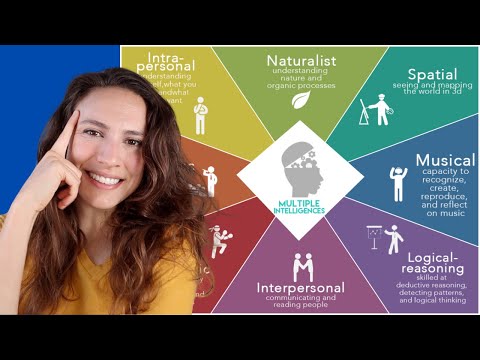
So, let’s chat about the seven types of intelligence. It’s pretty cool how there’s not just one way to be smart, right? We all learn and express ourselves differently. This whole idea comes from Howard Gardner, a psychologist who really opened up our understanding of intelligence back in the ’80s. So here’s a breakdown of those seven intelligences, if you’ve got a minute!
- Linguistic Intelligence: This is all about words. People with high linguistic skills are often great at writing, reading, or storytelling. Think about authors or even great public speakers who can really captivate an audience with their words.
- Logical-Mathematical Intelligence: If numbers and logic puzzles make your heart race, you might be this type! Scientists and mathematicians thrive here, solving problems with logic and reasoning like they’re playing chess against themselves.
- Spatial Intelligence: Ever notice how some folks can visualize things in 3D? That’s spatial intelligence! Architects and artists use this skill to create amazing structures or stunning paintings. Imagine playing a game like Tetris—it’s all about visualizing shapes fitting together!
- Bodily-Kinesthetic Intelligence: This one’s for the movers and shakers! Dancers, athletes, and surgeons often excel here because they use their bodies to express themselves or solve problems. Picture a basketball player making those jaw-dropping moves on the court!
- Musical Intelligence: You know those people who can hear a tune and instantly pick up an instrument? That’s musical intelligence! Composers and musicians have a natural knack for rhythm and melody, making music that resonates deeply.
- Interpersonal Intelligence: If you can read emotions like a book, you’ve got strong interpersonal skills! Great leaders, teachers, or counselors often shine in this area because they connect easily with others—almost like they’ve got an emotional radar!
- Intrapersonal Intelligence: This one’s more introspective. It deals with self-awareness—you know yourself well! People with high intrapersonal intelligence reflect on their feelings and thoughts effectively. Think of philosophers; they dive deep into understanding themselves.
Each type of intelligence is valuable in its own way—you might find you shine in several areas but struggle in others. And that’s totally okay! Remember that it doesn’t mean you’re any less smart; it just means your brain processes information differently.
Oh! And here’s a little anecdote: My friend once struggled in math class but absolutely crushed it when it came to creating presentations for our group projects. While others were getting frustrated over numbers, he was turning data into visually stunning slides that everyone loved. Seriously impressive!
So there you have it; these seven intelligences remind us that everyone has their unique strengths. Embracing diversity in learning styles is crucial for growth—not just personally but also as part of communities or teams.
And hey—I should mention that while this kind of insight can help you understand yourself better or improve relationships with others, it’s not meant to replace professional help if you’re struggling with something more serious.
Feeling inspired to think about your own strengths? You might just find out something new about yourself!
Understanding the 8th Intelligence: Insights into Human Potential and Cognitive Development
There’s a lot of buzz around the idea of multiple intelligences, thanks to the work of Howard Gardner. He proposed that we all have different types of intelligence—seven, to begin with. But what about that intriguing eighth intelligence? Well, let’s dig into it!
The Eight Intelligence basically expands on Gardner’s theory. While he originally identified seven kinds—like linguistic, logical-mathematical, and spatial—the eighth adds a more community-oriented perspective: the naturalistic intelligence. This form is all about how well you connect with nature and understand natural systems around you.
- Naturalistic Intelligence: People with strong naturalistic intelligence are often great at identifying plants, animals, or trends in nature. Think about a person who can tell you the difference between a maple and an oak tree just by glancing at the leaves. They feel at home outdoors!
- A Social Connection: This intelligence also involves a deep understanding of ecological and biological processes. So for instance, someone who knows how weather patterns affect agriculture is tapping into naturalistic intelligence.
- Environmental Awareness: Ever met someone deeply passionate about sustainability? That’s often rooted in their naturalistic intelligence. They usually strive to protect nature and promote eco-friendly practices.
Now let’s tie this back to cognitive development! When we think about human potential, tapping into all these different intelligences can really boost our learning experience. For example, if you’re studying biology or ecology and have high naturalistic intelligence, you might find your mind buzzing when you’re outside studying ecosystems.
Speaking of games—think about Minecraft. Players often construct elaborate bio-domes that mimic ecosystems while also learning resource management along the way! That mix of creativity with an understanding of nature? A fantastic way to exercise both naturalistic and spatial intelligences.
And guess what? Each kind of intelligence doesn’t exist in isolation; they’re intertwined! Someone with strong linguistic skills may explain environmental issues eloquently while using their logical-mathematical smarts to develop solutions for climate change.
So why does this matter? Well, realizing you possess various forms of intelligence opens up new pathways for growth. It encourages you to embrace your strengths while working on areas that might need more focus.
But hey! No one is perfect at everything; we all have our unique mixes of these intelligences. It’s important to seek professional help if you’re feeling uncertain or overwhelmed by these ideas—everyone’s journey is unique!
Ultimately, knowing about the eight intelligences allows us to appreciate our capabilities as humans more fully. Each type offers valuable insights into how we interact with others and understand our world—take it as a roadmap for unlocking your potential!
All in all, whether you’re out hiking or playing video games like Animal Crossing where you develop habitats—you’re participating in activities that feed into your own cognitive development journey! Keep exploring those avenues that light up your passion and curiosity; it’s where growth happens!
Exploring the 12 Types of Intelligence: Understanding Diverse Cognitive Abilities
Intelligence comes in many flavors, and it’s not just about how well you can ace a test. You might have heard of Howard Gardner’s theory of multiple intelligences, which originally laid out seven types. But hey, it doesn’t stop there! Let’s break down the 12 types of intelligence and see what they’re all about.
- Logical-Mathematical Intelligence: This is your number crunchers and problem solvers. Think of mathematicians or scientists who thrive on logic and patterns. If you enjoy solving puzzles or playing strategy games like chess, this intelligence probably speaks to you.
- Linguistic Intelligence: These are the word wizards! Writers, poets, and speakers are usually blessed with this type. If you find yourself lost in a book or can easily craft compelling stories, you might have a touch of this intelligence.
- Spatial Intelligence: Artists and architects often shine here. It involves visualizing space and thinking in three dimensions. Ever try to assemble that complicated IKEA furniture without the manual? If you did it well, congratulations—you’ve got strong spatial skills!
- Bodily-Kinesthetic Intelligence: Athletes and dancers excel in this area. It’s all about using your body effectively to express emotions or ideas. If you’ve ever felt connected to your body while dancing or doing sports, that’s this intelligence at work.
- Musical Intelligence: Think composers and musicians here. They understand rhythms, tones, and sounds deeply. If you catch yourself humming tunes or tapping rhythms without even realizing it—yeah, you’re vibing with musical intelligence.
- Interpersonal Intelligence: This is all about understanding others’ feelings and motivations—great for teachers or leaders! If people often come to you for advice or if you can read the room really well at parties, that’s your interpersonal skills shining through.
- Intrapersonal Intelligence: This one is about self-awareness. Those good at introspection often excel here—like philosophers or therapists. Ever had those deep thoughts where you figured out a lot about yourself? Yeah, that’s intrapersonal smarts!
- Naturalistic Intelligence: Think environmentalists or biologists who understand nature deeply. It involves recognizing flora and fauna—if you’re the one who knows all the plants on your hiking trail? You’ve got naturalistic skills!
- Cinematic Intelligence: This is more modern! Filmmakers and actors dive into this world of storytelling through visuals and motion. Enjoy binge-watching films with rich stories? There’s some cinematic intellect there.
- Aesthetic Intelligence: Artists thrive in this realm as they appreciate beauty in various forms—painting, design, etc. If you’re always picking up on colors or styles that just «click», that’s aesthetic intelligence talking.
- Culinary Intelligence: Chefs fit right into this type with their ability to create delicious dishes using diverse ingredients aptly! If you’ve ever impressed friends with a meal—or just find joy experimenting in the kitchen—you’ve tapped into culinary smarts!
- Sensory-Kinesthetic Intelligence: This unique type draws on your sensory experiences for learning—kind of like hands-on learners who pick up info from touch/pulse rather than lecture notes alone. Like when using clay to learn about shapes; if that helps retain info better for ya? Bingo!
So there ya have it! Each type showcases different strengths we all possess in various ways; maybe you’ve even recognized yourself flipping between them depending on what you’re facing.
Oh—and one last thing: while these insights are super helpful for understanding our differences better—they don’t replace professional help if needed. Everyone has their unique path; sometimes we just need a little nudge from someone trained to help get us back on track!
You know, when I first heard about the idea of multiple intelligences, I was kind of blown away. It made me think differently about how we view brains and smarts. I mean, for a long time, we all just assumed intelligence meant good grades in school or nailing standardized tests. But really? There’s so much more to it!
So, let’s chat about this whole seven types of intelligence thing. Howard Gardner, a psychologist, tossed this concept out there back in the 1980s. He basically said that intelligence isn’t just one thing but a bunch of different kinds that can shine in various ways.
First off, there’s linguistic intelligence. You know those people who can whip up an amazing story or write poetry that just hits you right in the feels? Yeah, that’s them! It’s all about words and language – reading, writing, speaking. They find joy in playing with language and expressing themselves through it.
Then there’s logical-mathematical intelligence. Think of your math whizzes or scientists; they thrive on patterns and logic! They love crunching numbers and solving puzzles like it’s a fun game.
Now let’s not forget spatial intelligence. These creative minds are often artists or architects who can visualize things in 3D space. Ever see someone draw something incredible from their imagination? That’s spatial smarts at work!
Musical intelligence is another cool type—those who have this skill can easily pick up instruments or create beautiful melodies outta thin air! There is something special about how music can connect with our emotions too.
Next up is bodily-kinesthetic intelligence. You know those super athletic friends who seem to have control over their bodies like it’s second nature? Yeah, they fit here—dancers, athletes; they express themselves through movement.
Interpersonal intelligence is all about understanding others—their feelings and motivations. Think about your friend who just “gets” you every time you’re having a rough day or the natural leaders we see; they fall into this category.
Lastly—and seriously not to be overlooked—there’s intrapersonal intelligence. This one’s for the deep thinkers and introspective types who are in tune with their own emotions and thoughts! They reflect on themselves often to understand what makes them tick.
One thing that strikes me is how we’re often put into boxes based on one type of smarts alone when really we might be juggling several at once! It reminds me of my buddy Sarah who struggled with traditional learning but totally rocked in artistic projects—she always encouraged her friends to express themselves creatively.
All these intelligences show us that everyone has unique strengths; it doesn’t matter if you’re a whiz at math or an incredible poet—they all matter equally! So next time someone tells you you’re “just not smart enough” because you don’t fit into their box? Just gently remind them: it’s way bigger than that! Who knows? You might inspire them to see the brilliance in diversity too!
I think embracing this variety opens our minds not just to ourselves but also to how we connect with others—and isn’t that what it’s really all about?