Hey there! So, let’s chat about something pretty cool—Constructivist Theory, and how it relates to Piaget’s ideas on growing up.
Este blog ofrece contenido únicamente con fines informativos, educativos y de reflexión. La información publicada no constituye consejo médico, psicológico ni psiquiátrico, y no sustituye la evaluación, el diagnóstico, el tratamiento ni la orientación individual de un profesional debidamente acreditado. Si crees que puedes estar atravesando un problema psicológico o de salud, consulta cuanto antes con un profesional certificado antes de tomar cualquier decisión importante sobre tu bienestar. No te automediques ni inicies, suspendas o modifiques medicamentos, terapias o tratamientos por tu cuenta. Aunque intentamos que la información sea útil y precisa, no garantizamos que esté completa, actualizada o que sea adecuada. El uso de este contenido es bajo tu propia responsabilidad y su lectura no crea una relación profesional, clínica ni terapéutica con el autor o con este sitio web.
You know how kids seem to learn everything just by exploring? Well, Piaget was all about that! He thought that kids aren’t just little sponges soaking up info; they actually build their own understanding of the world. Wild, right?
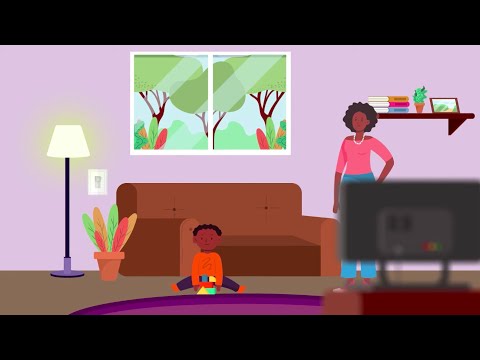
Imagine a kid stacking blocks. Each time they add a block, they’re not just playing; they’re figuring out balance and gravity without even realizing it. That’s the essence of constructivism—learning through experience.
So grab your favorite snack, get comfy, and let’s break down how this theory shapes our understanding of child development in a super relatable way!
Understanding Piaget’s Constructivist Theory of Child Development: Key Concepts and Implications
So, let’s talk about Piaget’s Constructivist Theory of Child Development. It’s a big deal in psychology, especially when we’re looking at how kids learn and grow. Basically, Jean Piaget was this Swiss psychologist who came up with some pretty cool ideas about how children think and develop from birth to adolescence.
Key Concepts
Piaget believed that children are like little scientists. They actively make sense of the world around them by interacting with their environment. It’s not just about absorbing info; it’s about discovering and constructing knowledge based on what they experience.
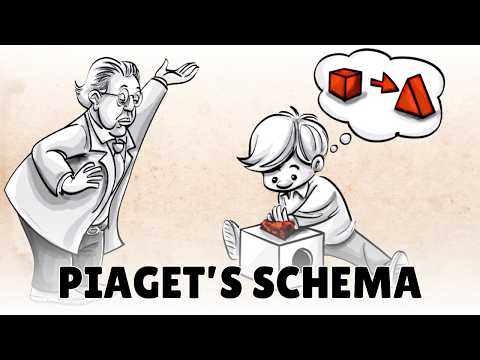
- Schema: These are mental models kids use to understand their world. Think of a schema as a filing cabinet where each experience gets filed away. For example, if a kid sees a dog for the first time, they might create a schema for «dog» that includes its barking, shape, and fur.
- Assimilation: This is when kids fit new experiences into existing schemas. So, if that kid sees a cat and calls it a dog because it’s an animal with four legs, that’s assimilation.
- Accommodation: This happens when new experiences don’t fit into existing schemas. Let’s say the kid learns that cats don’t bark—so they change their «dog» schema to include «no barking» for cats!
- Stages of Development: Piaget identified four key stages: Sensorimotor (0-2 years), Preoperational (2-7 years), Concrete Operational (7-11 years), and Formal Operational (12+ years). Each stage has unique characteristics.
Stages Explained
In the **Sensorimotor stage**, babies explore through senses and movement. They learn that their actions can cause things to happen—a classic example is playing peek-a-boo! This helps develop object permanence, which is knowing something still exists even when you can’t see it.
Next up is the **Preoperational stage**, where kids start using language and symbols but think very literally—like believing that the sun sets because it goes to sleep! They’re often egocentric too; they have trouble seeing things from someone else’s perspective.
During the **Concrete Operational stage**, thinking becomes more logical but still tied to concrete objects—kids can do math problems using apples or blocks but struggle with abstract concepts. For instance, if you show them three squished balls of clay and one big one, they’ll understand that the big one has more volume only through direct comparison.
Finally, in the **Formal Operational stage**, teens can think abstractly and reason logically about hypothetical scenarios. They’re able to explore concepts like freedom or justice in complex ways!
Implications
So why does all this matter? Understanding Piaget’s theory helps parents and educators tailor learning experiences suitable for each developmental stage (it doesn’t replace professional help though!).
For example:
- If you know a kid is in the Preoperational stage, you might play games involving storytelling or role-playing—stuff they can visualize easily.
- You could also introduce hands-on activities during Concrete Operations—like experiments using baking soda and vinegar—to make learning fun but grounded in real-world applications!
In essence, Piaget’s work reminds us that children aren’t just mini adults. They think differently at various ages! Recognizing this can significantly influence how we interact with them—making sure we encourage exploration while providing support as they construct their understanding of life around them.
Alrighty then! I hope this paints a clearer picture of what Piaget’s theory is all about—you know? It’s all fascinating stuff when you really dig into how kids develop minds work!
Understanding Constructivism Theory: A Simple Explanation and Its Psychological Implications
Alright, let’s chat about something called **constructivism theory**. It’s a big idea in psychology, especially when we’re talking about how people learn and think. Basically, it’s all about how we build our understanding of the world around us.
Now, this theory has roots in the work of **Jean Piaget**, a Swiss psychologist who really dug into this stuff. His take was that kids don’t just soak up knowledge like sponges; they actively make sense of their experiences. So, instead of being passive learners, they’re like little scientists experimenting with their environment.
- Active Learning: Piaget believed that children learn best through doing things. Like when you watch a toddler figure out how to stack blocks or play hide and seek—they’re not just playing; they’re learning problem-solving skills and spatial awareness.
- Stages of Development: He outlined stages where kids develop different skills: Sensorimotor (birth to 2 years) is all about exploring through senses; Preoperational (2 to 7 years) focuses on language and imagination; Concrete operational (7 to 11 years) is when logical thinking starts kicking in; and Formal operational (12 and up) introduces abstract reasoning.
- Schema Formation: As you experience new things, you build “schemas,” which are like mental frameworks for understanding the world. If you know what a dog looks like, then when you see a new dog type, your brain connects that to your existing schema. Pretty cool, right?
Your experiences shape these schemas too! You might see a fluffy cat once and think it’s a dog because that’s your reference point—until you learn more about cats. Piaget called this process **assimilation**—fitting new info into existing schemas—and **accommodation**, changing your schema when new info doesn’t quite fit!
You might be wondering why this matters in psychology? Well, constructivism emphasizes that learning isn’t just memorizing facts but rather an active process of making sense of things based on prior knowledge.
The cool part is that as we apply this theory beyond child development into education or therapy settings, it opens up discussions on how we can create environments where learning happens naturally. Think about classroom settings using hands-on activities or groups solving real-world problems together—that’s constructivist learning in action!
As for psychological implications? They’re huge! If we understand that humans are actively constructing knowledge based on their experiences, then therapies can focus more on helping patients reshape those understandings—like cognitive-behavioral therapy changing negative thought patterns.
A quick personal story here: I remember playing a board game with friends where we had to solve puzzles to advance our characters. Each puzzle taught us something new—not just strategy but also teamwork! That’s constructivism at work—learning through playful experiences!
In the end, understanding constructivism helps educators and therapists tailor approaches that meet individuals’ unique ways of learning or coping. But hey—the important thing here is knowing that while this is fascinating stuff—if you’re looking for help with any mental health issues or challenges—always talk to a professional! They’ve got tools tailored for those situations.
Understanding the 4 Stages of Cognitive Constructivism: A Clear Guide
Constructivism is one of those cool ideas in psychology that really digs into how we learn and understand the world. Jean Piaget, a Swiss psychologist, was one of the pioneers of this theory. He believed that we actively construct our understanding through experiences, rather than just soaking up information like a sponge. Let’s break down the four stages that he identified in cognitive development!
- Sensorimotor Stage (Birth to 2 years)
In this stage, babies are all about exploring their world through their senses and actions. Think about how a kid might shake a rattle or put everything in their mouth. It’s all about movement and what they can feel or see right then and there. They start understanding cause and effect; like when they drop a toy, it falls! A great example? When you’re playing peek-a-boo with a little one—when you hide your face, they think you’ve disappeared but then reappear with excitement!
- Preoperational Stage (2 to 7 years)
Here, kids are starting to think more symbolically! They use language to represent objects, but it’s still a bit egocentric. That means they have trouble seeing things from someone else’s perspective. Imagine playing make-believe: they’ll turn a stick into a sword because their imagination is running wild! But if you ask them what someone else thinks about the game, they might struggle to see beyond their own view.
- Concrete Operational Stage (7 to 11 years)
In this phase, children start thinking logically but still need concrete examples. They can understand concepts like conservation—like when you pour milk from one glass to another that’s taller and skinnier; they get that it’s still the same amount of milk even though it looks different. Games that involve sorting or categorizing objects really shine here! If you play something like LEGO building with them, they’re starting to grasp rules and patterns while having fun!
- Formal Operational Stage (12 years and up)
This is where abstract thinking kicks in! Teens can think about hypothetical situations, create plans for future outcomes, or even tackle complex mathematical problems—crazy stuff compared to what kids could do before! You know those discussions where teens question moral dilemmas or debate ideas about literature? Yep—this stage allows them to ponder «what if» scenarios big time.
So why does all this matter? Well, recognizing these stages helps us understand not just how children learn but also why some concepts take longer for them to grasp than others.
But hey, remember: while these ideas offer fantastic insight into learning processes, if you’re ever concerned about cognitive development or learning challenges for yourself or someone else, it’s always good to chat with a qualified professional who can give deeper support tailored just for you.
Isn’t it amazing how our brains shape our understanding bit by bit? Each stage builds on the last—like adding layers until we create a strong structure for knowledge!
So, let’s chat about this thing called constructivist theory that comes from Jean Piaget’s work in developmental psychology. It’s a bit of a mouthful, but bear with me! Basically, Piaget believed that kids aren’t just little sponges soaking up information; instead, they actively create their own understanding of the world around them. Kind of cool, right?
Imagine you’re a child seeing a dog for the first time. You might see it wagging its tail and think, “Awesome! That’s a furry friend!” But then, imagine the next day, you see another animal with a similar tail. Maybe it’s not a dog but a cat! You’d start comparing and sorting these experiences into what Piaget calls “schemas”—those mental frameworks we all use to make sense of things.
I remember when my niece was about three years old. She saw her first caterpillar in the garden and squealed with excitement. Instead of just asking me what it was, she started poking at it with her fingers while saying “wiggly” and “squishy.” She was literally building her understanding through direct experience. Later, when she saw a butterfly, she couldn’t connect the dots right away until I said something like, «Remember that wiggly thing? It became this!» Her eyes widened like I’d just handed her magic.
But here’s where it gets even more interesting: Piaget thought children go through stages as they grow. These stages are all about how their thinking evolves from being super intuitive to more logical as they get older. The whole idea is that learning isn’t just about being told facts; it’s really about interacting with stuff—playing around with ideas until they make sense.
It’s kind of like building Lego sets without instructions—you can do it your way. Sometimes you might get frustrated because pieces don’t fit or you’ve got extra blocks left over! That’s okay though; those little misadventures help shape your skills and understanding for the next build.
What really strikes me is how this perspective shifts our view on education and parenting. Instead of simply pouring knowledge into kids’ heads, we should create environments where they can experiment and explore freely. This could mean letting them ask questions—even if they seem silly—and allowing them to stumble their way through problem-solving.
In the end, I think Piaget’s constructivist theory reminds us all—whether we’re parents or just trying to understand our own learning styles—that growth happens in layers. So next time you see those little light bulbs spark in someone’s eyes during discovery? Yeah, that’s learning at its best—something we should celebrate every chance we get!