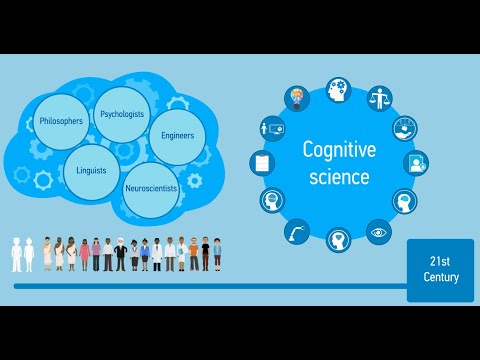
You know, cognitive science is one of those fields that sounds super fancy, but it’s really all about how we think. Seriously, it’s like a backstage pass to the brain!
Este blog ofrece contenido únicamente con fines informativos, educativos y de reflexión. La información publicada no constituye consejo médico, psicológico ni psiquiátrico, y no sustituye la evaluación, el diagnóstico, el tratamiento ni la orientación individual de un profesional debidamente acreditado. Si crees que puedes estar atravesando un problema psicológico o de salud, consulta cuanto antes con un profesional certificado antes de tomar cualquier decisión importante sobre tu bienestar. No te automediques ni inicies, suspendas o modifiques medicamentos, terapias o tratamientos por tu cuenta. Aunque intentamos que la información sea útil y precisa, no garantizamos que esté completa, actualizada o que sea adecuada. El uso de este contenido es bajo tu propia responsabilidad y su lectura no crea una relación profesional, clínica ni terapéutica con el autor o con este sitio web.
Ever wondered what happens up there when you solve a puzzle or try to remember where you left your keys? Yeah, it dives into stuff like that!
And honestly, it combines psychology with neuroscience, linguistics, and even computer science. Crazy right?
Think of it as this big melting pot of ideas about how our minds work. So if you’re curious about what makes us tick—like why you think the way you do—let’s chat about cognitive science and what it really means!
Understanding the 4 Pillars of Cognition: Key Components and Their Importance
Cognition is, in a way, the powerhouse of our brain, where all the magic happens when it comes to thinking, understanding, and interacting with the world. Dive in with me as we explore the four pillars of cognition, which play a crucial role in how we process information and make sense of our daily lives.
1. Attention
Attention is like a spotlight shining on what matters most at any given moment. Imagine you’re playing a video game—if you get distracted by your phone buzzing, you might miss that critical moment to dodge an enemy attack. In real life, attention helps us focus on important tasks or conversations. It filters out irrelevant information so we can zero in on what needs our immediate attention.
2. Memory
Memory is what allows us to store and recall information over time. There are different types—short-term memory holds onto things briefly (like remembering a phone number long enough to dial it), while long-term memory keeps things for years (think about that family vacation from ages ago). If you’ve ever tried to remember a friend’s name in the middle of an engaging conversation, you’ve experienced how memory works under pressure!
3. Perception
Perception is how we interpret sensory input—from sights and sounds to smells and textures. It’s like when you taste your favorite pizza; those flavors dance on your tongue because of how your brain deciphers them. Our perceptions can be influenced by past experiences or expectations, sometimes leading us down the rabbit hole of seeing things that aren’t really there—like when you’re convinced there’s a spider because of a shadow on the wall.
4. Language
Language isn’t just about talking; it’s also about understanding and sharing thoughts with others. Words shape our reality! Think about playing charades where gestures replace words; it’s challenging but fun! Language allows us to express emotions, thoughts, and ideas more precisely than any other form of communication.
Now let’s connect these pillars with everyday situations:
- Attention: Picture trying to study while your roommate is blasting music—how hard it is for you to concentrate!
- Memory: Remembering where you placed your keys feels small but is essential; without memory function, chaos reigns.
- Perception: Eating spicy food may feel different based on previous experiences; your perception shapes what you enjoy!
- Language: Misunderstanding directions due to unclear wording can lead you down the wrong path!
These four pillars are interconnected and support one another. When one falters—it can trip up the rest! Take note: mastering cognition takes time and effort; this isn’t instant magic.
So keep this in mind: while these basics give insight into cognitive science’s scope, they don’t cover everything nor replace professional help if needed! Embracing these elements not only helps clarify how we think but also enriches everyday interactions—be it work or play!
Exploring the Four Main Scopes of Psychology: A Comprehensive Overview
Psychology is a fascinating field, and it covers more ground than you might think. While the term itself might conjure up images of sitting on a couch, talking about your feelings, there’s so much more. Basically, psychology explores how we think, feel, and behave. Now let’s jump into four main scopes of psychology that shape this discipline.
Cognitive Psychology focuses on mental processes like thinking, memory, and problem-solving. You know when you’re trying to figure out a puzzle or remember where you left your keys? That’s cognitive psychology at work! This scope looks at how we process information and how that affects our actions. It digs into things like attention spans—ever notice how hard it is to focus when your phone buzzes? Yeah, that’s an example of cognitive overload.
Developmental Psychology is all about growth and change throughout life. Think about it: from toddler tantrums to mid-life crises—there’s a ton going on at different stages! This area examines how people change in terms of emotions, cognition, and social interactions as they age. For example, consider how children learn language compared to adults; it’s such a wild ride through cognitive development! Imagine watching a kid play Minecraft for hours—those building skills are part learning and part creativity development.
Moving on to Social Psychology, which takes a look at how people interact with each other and their environments. This scope studies group dynamics and the influence of societal norms on individual behavior. You’ve probably seen this in action during heated debates or team projects where people either shine or hide away. It even looks at conformity—ever done something just because everyone else was doing it? Yeah, social pressure can be pretty strong.
Finally, there’s Clinical Psychology. This one focuses directly on diagnosing and treating mental illnesses or disorders. Clinical psychologists use various therapeutic techniques to help individuals cope with issues ranging from anxiety to depression. It’s important to remember that if you’re feeling overwhelmed, seeking help from professionals in this area is super valuable—and absolutely nothing to be ashamed of! You might picture someone talking to a therapist about their stress after finishing school or dealing with tough life changes.
- Cognitive Psychology: How we think and solve problems.
- Developmental Psychology: Growth changes throughout life stages.
- Social Psychology: Interaction between individuals and groups.
- Clinical Psychology: Diagnosis and treatment of mental health issues.
So there you have it—a quick peek into the four main scopes of psychology! Each plays its own unique role in understanding human behavior better. Whether you’re fascinated by cognitive processes or interested in how social interactions shape us, everything ties back together in some way.
This overview doesn’t replace professional help but hopefully gives you a clearer picture of what psychologists explore every day!
Understanding Cognitive Scope: Defining the Limits and Capacity of Human Thought
Cognitive scope is a fascinating topic that taps into the limits and capacities of our thinking. Think of it like a funnel—some things can zoom through easily, while others get stuck or lost along the way. What we want to explore is how our brains process information and what that means for our everyday lives.
Cognitive capacity refers to how much information we can hold or process at any given time. You know, like when you’re trying to remember a grocery list and your friend starts talking about their cat’s new tricks? Your brain might struggle to juggle both, right? That’s cognitive overload.
The working memory plays a big role here. It’s like the desk space in your brain where you keep things momentarily so you can use them—like playing Tetris and trying to fit those blocks together without dropping any! Most people can hold onto about 7 items at once, give or take a couple. This isn’t just random; it’s based on research by psychologist George A. Miller back in the 1950s.
But there are also limitations involved in cognitive scope that come from how we perceive and process information. For instance, when you have too much going on, your ability to make decisions decreases. Ever notice how making choices feels tougher when you’re overwhelmed? That’s because as more options pile up, clarity begins to fade.
Here are some key points about cognitive scope:
- Attention Span: Our focus can only stretch so far before it snaps back like a rubber band.
- Cognitive Load: This is the amount of mental effort being used in working memory. If you push it too hard, errors multiply!
- Information Processing: We don’t always understand everything we read or hear instantly; sometimes our brains need time to process.
- The Role of Emotions: Feelings can amplify or cloud our thinking—like when excitement makes you forget about deadlines!
You might also relate this concept to games, especially ones with strategy elements like chess. When you play chess, every move you make requires cognitive effort—you’ve got to plan ahead while considering your opponent’s strategies! If you’ve played a long match where you’ve had too many pieces on the board, you’d know how tiring it gets! Your mind starts scrambling because there’s just too much going on.
Oh, and let’s not forget how **context** matters in all this! The environment you’re in (loud coffee shop vs quiet library) can totally impact your capacity for thought and focus. Seriously, the effectiveness of learning often hinges on where and how you’re trying to absorb new information.
All this said, remember that if you’re feeling persistently overwhelmed by thoughts or decisions—maybe they’re feeling too big for that funnel—I recommend chatting with someone who knows their stuff professionally!
In short, understanding cognitive scope helps us grasp not only what our brains can do but also why they sometimes buckle under pressure. It’s all part of being human—a wild ride for sure!
Cognitive science, huh? It’s one of those terms you hear tossed around a lot, but what does it actually mean? You know, I remember sitting in a coffee shop with my friend Sarah once. She was deep into her psychology studies and started talking about how our minds work. It struck me then—cognitive science is like this melting pot of different fields all focused on understanding the brain and its processes.
So, let me break it down for you. Cognitive science combines psychology, neuroscience, linguistics, philosophy, anthropology, and even computer science. Yeah! It’s like the Avengers of disciplines—all teaming up to figure out how we think, learn, and remember things. Crazy, right?
When you think about it, every time you solve a problem or even just decide what to have for lunch, your brain’s firing off all these neural connections. Those connections are where cognitive science kicks in. It’s not just about the biology of your brain; it’s about how that biology interacts with language and culture too.
And get this: cognitive scientists study everything from basic perception—like how we see colors—to more complex ideas like decision-making or consciousness itself. So when someone says cognitive science is «the study of the mind,» they really mean it’s looking at everything that influences our mental functions. I mean seriously; that’s a lot!
But here’s where it gets pretty interesting: cognitive science isn’t just academic fluff. The work being done in this field can lead to real-world applications—think AI development or ways to help those with learning disabilities. It brings together so many perspectives that can change how we understand ourselves and each other.
In the end, whether you’re interested in tech or just want to know why your brain decides to binge-watch another series instead of tackling that pile of laundry (I get it!), cognitive science has something to offer for everyone. It’s all connected—our thoughts shape our actions and vice versa—and that’s just part of the beautiful chaos of being human! Ain’t that something?