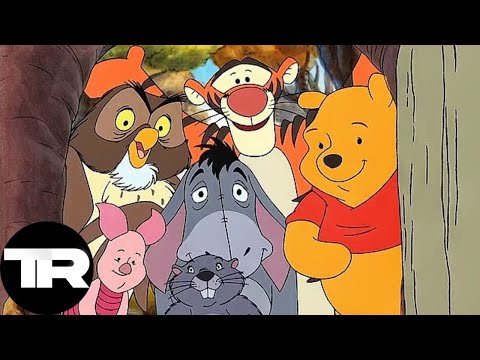
Hey there! Have you ever thought about Winnie the Pooh? You know, that lovable bear with a serious obsession for honey? You probably think it’s just a cute kids’ story, right? But wait—there’s way more to it than meets the eye!
Este blog ofrece contenido únicamente con fines informativos, educativos y de reflexión. La información publicada no constituye consejo médico, psicológico ni psiquiátrico, y no sustituye la evaluación, el diagnóstico, el tratamiento ni la orientación individual de un profesional debidamente acreditado. Si crees que puedes estar atravesando un problema psicológico o de salud, consulta cuanto antes con un profesional certificado antes de tomar cualquier decisión importante sobre tu bienestar. No te automediques ni inicies, suspendas o modifiques medicamentos, terapias o tratamientos por tu cuenta. Aunque intentamos que la información sea útil y precisa, no garantizamos que esté completa, actualizada o que sea adecuada. El uso de este contenido es bajo tu propia responsabilidad y su lectura no crea una relación profesional, clínica ni terapéutica con el autor o con este sitio web.
I mean, if you take a closer look at Pooh and his friends in the Hundred Acre Wood, things get interesting. Each character seems to have their own quirks and challenges. Seriously, it’s like they’re walking through various mental health issues without even realizing it!
Ever noticed how Eeyore always seems down in the dumps? Or how Tigger can’t stop bouncing around like there’s no tomorrow? It’s almost like A.A. Milne was onto something deeper. So if you’re curious about what those characters might be saying about mental health, stick around! We’ve got some fascinating connections to explore together.
Understanding Tigger’s Sin: A Psychological Exploration of Character Traits in Winnie the Pooh
I get it, Tigger is this bouncy, enthusiastic character from Winnie the Pooh. But there’s way more to him than just that cheerful exterior. Let’s take a closer look at Tigger’s character traits and how they might connect to certain psychological ideas.
Tigger’s personality could be described as spontaneous and hyperactive. He’s always ready for adventure and has a zest for life that can be contagious, right? But under all that enthusiasm lies some pretty interesting things to think about.
Hyperactivity is one major trait of Tigger. He constantly bounces around, never really staying still for long. This can remind us of traits often seen in people with Attention Deficit Hyperactivity Disorder (ADHD). You see, ADHD isn’t just about being hyper; it also comes with struggles like focusing or controlling impulses. While Tigger seems carefree, his inability to stick to one task can lead to trouble with his friends sometimes.
Another trait of Tigger is his lack of awareness regarding others’ feelings. You know how he never seems to notice when he’s hurting someone else until they tell him? This could hint at some difficulties in emotional regulation or understanding social cues—again something we often find in various psychological conditions like Autism Spectrum Disorder (ASD). It’s not that he means harm; he just doesn’t always “read the room” so well.
And hey, let’s talk about confidence. Tigger oozes self-confidence. He thinks highly of himself and believes he can do anything! This sort of overconfidence can sometimes mask deeper insecurities or anxieties lurking underneath the surface. It’s like when you see someone strutting their stuff on a dance floor—maybe they’re having fun, or maybe they’re trying to cover up their nerves.
But don’t you worry, this isn’t just about pointing out flaws! There’s a lot we can learn from him too:
- Embrace your quirks: Tigger teaches us acceptance of our unique traits.
- The value of friendship: Despite his antics, his friends love him for who he is.
- The importance of balance: While having fun is important, understanding boundaries matters too.
So here’s the thing—you know? Just because characters like Tigger are animated doesn’t mean they don’t reflect bits and pieces of real-life psychological experiences. These insights show how we might sympathize or connect with particular traits in ourselves or others.
It’s crucial to remember that exploring these character traits doesn’t replace professional help if you’re dealing with any mental health issues yourself—seriously! If you ever feel overwhelmed by feelings or behaviors similar to what we’ve talked about here, reaching out for support is essential.
In the end, characters like Tigger remind us life is full of ups and downs—just like a bounce! And who knows? Embracing our unique personalities might lead us on some pretty fantastic adventures too!
Understanding the Psychological Elements Behind Christopher Robin’s Schizophrenia
You know, the stories of Winnie the Pooh and his gang have always held a special place in our hearts. But, have you ever thought about the psychological elements connected to Christopher Robin? It’s quite a ride when you start to look deeper, especially regarding themes like schizophrenia.
So, let’s break this down a bit. Schizophrenia is often misunderstood, and really it’s more about how a person interacts with reality. When we’re talking about Christopher Robin, who’s basically stuck between childhood innocence and adulthood responsibilities, it raises some interesting questions.
1. Duality of Worlds:
First off, think about how Christopher Robin flits between the Hundred Acre Wood and the real world. This back-and-forth can symbolize the struggle many people with schizophrenia face—balancing their inner experiences with external realities. It’s like playing a video game where you’re torn between two different levels—you’ve got to navigate them both or risk losing your sense of direction.
2. Imaginary Friends:
Next up is his relationship with Winnie the Pooh and friends. They are not just cute characters; they’re reflections of aspects of his subconscious mind. In this way, these imaginary friends serve as coping mechanisms for Christopher Robin when life gets tough—kind of like having an emotional support animal or even just someone to talk to when things get overwhelming.
3. Anxiety & Isolation:
The pressure on him from adults can lead to feelings of anxiety and isolation, which are common in people dealing with mental health issues. You might see this when he’s trying to juggle school and these fantastical adventures at once. The fear of growing up can make anyone feel lost.
4. Social Stigma:
A lot of stigma surrounds mental disorders like schizophrenia; people often think it means you’re “crazy” or violent—which isn’t true! Christopher’s struggles may mirror societal views on mental illness that he finds difficult to escape from.
5. Themes in Play:
The storytelling itself provides an arena where emotions are portrayed clearly through playfulness mixed with darker undertones—like when Christopher Robin has to leave Pooh behind for real-life obligations. It’s that heart-wrenching moment where he feels he needs to grow up but doesn’t want to abandon his childlike wonder.
This complicated dance between fantasy and reality creates a perfect storm for understanding confusion around identity and experiences that might seem out of reach for those looking in from the outside.
Coping Mechanisms:
- Doodling: Just like how some kids draw their feelings out, Christopher uses his imagination as an escape route.
- Talking: Conversations with Pooh serve as inner dialogues that help him process what he’s facing in life.
- Nostalgia: The simple joys remind him of simpler times—a protective bubble against harsh realities.
This doesn’t replace professional help for anyone struggling out there! If you or someone you know resonates with these feelings or experiences, reaching out can make all the difference!
Understanding Winnie the Pooh Characters: A Mental Disorders Insights Test
So, you know the lovely, cuddly world of Winnie the Pooh and his friends? It’s not just a sweet story for kids. There’s actually some really interesting stuff going on with these characters that can give us insights into mental health. Let’s break it down together.
Winnie the Pooh: The Honey-Loving Bear
First up, we have Pooh himself. This bear loves honey more than anything. But he often seems a bit forgetful and slow to react to situations. Some say he displays traits of Attention Deficit Hyperactivity Disorder (ADHD). You see him drifting off or getting sidetracked easily, like when he forgets what he was doing because there’s honey nearby.
Tigger: The Bouncy One
Then there’s Tigger, bouncing around without a care in the world! He’s full of energy, but sometimes that zest can come off as impulsivity, which is another characteristic of ADHD. His hyperactive nature makes him super fun but it also can lead him into trouble without realizing it. Just imagine if he could focus better—maybe he’d think twice before jumping on Pooh!
Eeyore: The Gloomy Donkey
And oh boy, let’s talk about Eeyore. This guy is quite the melancholic character, isn’t he? He seems to struggle with depression. Some days are worse than others for him, and we often see him feeling down about things that might not affect his friends in the same way. His perspective reminds us how important it is to acknowledge feelings and support those who are experiencing sadness.
Next is Piglet—cute but constantly worried! He often shows signs of anxiety disorders. Small things make him nervous, like when they go on adventures or encounter unknown situations. Remember when Piglet was anxious about visiting Owl’s house? It highlights how anxiety can be sneaky and affect you even in familiar places.
Rabbit: The Perfectionist
Now let’s hop over to Rabbit; he’s all about order and control! His obsessive behavior can hint at Obsessive-Compulsive Disorder (OCD). He likes everything just so—his garden must be perfect! While it feels good to want things tidy, Rabbit sometimes gets too caught up in his routines and finds it hard to relax or let loose.
Kanga and Roo: The Nurturers
Oh, and we can’t forget Kanga and her little one Roo! Kanga embodies the caring parent role—nurturing but sometimes overprotective. While not a disorder per se, this reflects traits of being overly cautious which could tie into Anxiety Disorders. She wants to keep Roo safe at all costs but sometimes that means she forgets to let him explore!
In terms of games for understanding these traits better—think back on those old adventure games where you had distinct characters with special abilities? Each character in Winnie the Pooh has something unique they bring to their adventures; knowing their quirks helps us see how real-life people cope too.
So yeah! Even though these characters seem simple at first glance, each one gives us a glimpse into various emotional experiences we all might face. They’re relatable reminders that anyone can feel depressed or anxious at times—not just cartoon bears or kangaroos!
But hey, while this exploration is kind of fun and insightful, remember it’s not meant as professional advice. If you or someone you know needs help navigating these feelings for real? Definitely reach out to a trusted professional who can provide proper support!
Winnie the Pooh, right? That little bear has been around forever, and he’s not just a cute character; there’s actually a lot going on beneath his fuzzy exterior. You might think it’s just kids’ stuff, but when you stop to really look at the gang in the Hundred Acre Wood, there’s an interesting connection to mental health that kind of sneaks up on you.
So think about it for a second. Each character represents different traits or struggles we all might face. Piglet is anxious and timid, often worrying about what could go wrong. I mean, we all know someone who can’t help but overthink things sometimes! Then there’s Eeyore—sad and pessimistic. He definitely brings some serious melancholy vibes to the group, reminding us how tough it can be to shake off those rainy days.
Let me share a quick story. I remember feeling super overwhelmed during my college days. It was like Eeyore himself had taken up residence in my brain! One day, my friends dragged me out for ice cream (always therapeutic!). While we were sitting there, laughing at nothing and everything all at once, I realized how important those connections are in battling feelings of sadness or anxiety—kind of like how Pooh and his friends support each other through thick and thin.
But here’s where it gets deeper: A.A. Milne didn’t just create these characters for fun; there’s something relatable in their quirks that resonates with us. Maybe you see a bit of Tigger’s exuberance mixed with your own personality and then suddenly find yourself on an emotional rollercoaster! And don’t we all wish we had that unstoppable energy sometimes?
The struggles each character faces can mirror our own lives too—a gentle way of showing that everyone has their ups and downs. Christopher Robin acts as this bridge between childhood wonder and the adult world filled with responsibilities. That transition can be rocky! Balancing joy while grappling with reality is something nearly everyone can relate to.
So yeah, while Winnie the Pooh is definitely entertaining as heck (seriously, who doesn’t love honey?), he also opens up this big conversation about mental health through these lovable characters—which is so important now more than ever! Just think about it next time you watch or read: those little adventures aren’t just kid stories; they echo real-life struggles that so many of us face every day.
In the end, maybe it’s okay to embrace your inner Pooh or Eeyore sometimes because hey—that’s part of being human!