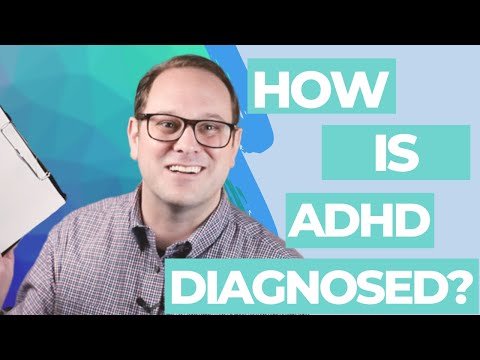
Hey, you! So, let’s talk about something that’s been on a lot of people’s minds lately: getting diagnosed with ADHD as an adult. It can feel like a wild rollercoaster ride, right?
Este blog ofrece contenido únicamente con fines informativos, educativos y de reflexión. La información publicada no constituye consejo médico, psicológico ni psiquiátrico, y no sustituye la evaluación, el diagnóstico, el tratamiento ni la orientación individual de un profesional debidamente acreditado. Si crees que puedes estar atravesando un problema psicológico o de salud, consulta cuanto antes con un profesional certificado antes de tomar cualquier decisión importante sobre tu bienestar. No te automediques ni inicies, suspendas o modifiques medicamentos, terapias o tratamientos por tu cuenta. Aunque intentamos que la información sea útil y precisa, no garantizamos que esté completa, actualizada o que sea adecuada. El uso de este contenido es bajo tu propia responsabilidad y su lectura no crea una relación profesional, clínica ni terapéutica con el autor o con este sitio web.
You might be thinking, “Wait, I thought ADHD was just for kids!” Well, that’s totally a common misconception.
Here’s the thing: many adults just like you are figuring this out now. And it can bring up all sorts of feelings—from relief to confusion or even frustration.
What does it mean to get that diagnosis? What happens next? You’ve got questions, and we’re going to dig into them together. So grab a comfy seat and let’s chat about what you can expect on this journey!
Step-by-Step Guide to Getting an ADHD Diagnosis for Women
Getting an ADHD diagnosis as a woman can be a bit of a journey, right? It’s like going on an adventure where you discover more about yourself along the way. So, let’s break down what that process looks like step by step.
1. Recognizing Symptoms
The first thing you want to do is notice any symptoms you might be experiencing. It commonly includes forgetfulness, trouble concentrating, or getting easily overwhelmed. You might find yourself organizing your kitchen multiple times a week but still misplacing your keys daily. It’s those little moments that can add up.
2. Research & Educate Yourself
Next up, do some research! Understanding ADHD – especially how it presents in women – can really help you articulate what you’ve been feeling. For many women, symptoms might not fit the typical mold and can often go unnoticed for years. You know what I mean? The internet is packed with resources; just make sure they come from credible sources!
3. Talk to Someone You Trust
Now comes the emotional part: talking to someone about your experiences can be super beneficial. Whether it’s a friend or family member, sharing how you’ve felt can be cathartic! This not only helps in sorting through your feelings but also gives them an opportunity to support you.
4. Finding a Professional
Okay, so now it’s time to find a healthcare professional who understands adult ADHD, especially in women. Look for psychologists or psychiatrists with experience in this area; their insights are invaluable! Don’t hesitate to search for specialists online or ask for referrals from friends or even through social media groups.
5. Initial Appointment
When you schedule that first appointment, prepare for an initial evaluation where they will ask about your history and any difficulties you’ve faced over the years—think school experiences and work challenges! This is where honesty is key; laying it all out there will help them get the full picture.
6. Assessment Tools & Questionnaires
You might have to fill out some questionnaires or self-reporting tools during this process—these usually cover various aspects of how ADHD impacts your daily life. They could ask about attention span, organizational skills or even relationships, so just answer as honestly as possible.
7. Additional Evaluations
In some cases, additional evaluations may be suggested—like cognitive tests or interviews with someone who knows you well (like your partner). This further helps build a clearer picture of how ADHD manifests specifically in you.
8. Diagnosis & Discussion
After assessments are done, you’ll return for another appointment where they discuss results with you—this is super important! If you’re diagnosed with ADHD, they’ll explain what that means moving forward which might include treatment options like therapy or medication if necessary.
9. Treatment Plan
Now onto creating a treatment plan tailored specifically for you! This could involve behavioral therapy techniques focused on organization and time management skills—like turning things into games to make tasks feel less daunting!
Remember though: it’s perfectly normal to feel mixed emotions throughout this journey! The path towards understanding yourself better is full of ups and downs but you’re taking charge of your mental health by seeking help—that’s pretty heroic!
In the end… always remember this doesn’t replace professional advice tailored uniquely for each individual need—so keep those lines of communication open with your healthcare provider as well! Good luck on your journey—you got this!
Understanding the Importance of ADHD Diagnosis in Adults: Benefits and Insights
Getting diagnosed with ADHD as an adult can be a transformative experience. The truth is, many people live their whole lives without realizing why they struggle in certain areas. If you think you might have ADHD, there are a few things to know about the process and its benefits.
First off, what is ADHD? Attention-Deficit/Hyperactivity Disorder isn’t just about being hyperactive or distracted. It plays out in various ways, like trouble focusing, difficulty organizing tasks, or having impulsive thoughts that can derail your day-to-day life. Imagine trying to aim for a high score in your favorite video game but getting distracted by every little thing around you—it can be frustrating!
So, what happens when you decide to seek a diagnosis? Here’s what to expect:
- Initial Consultation: You’ll likely start with a mental health professional who specializes in ADHD.
- Symptom Review: They’ll ask about your symptoms and how they affect your life, work, and relationships.
- Life History: Expect some questions about your childhood behaviors too. ADHD often shows up early on.
- Self-Reports: You might fill out questionnaires or checklists that help pinpoint your challenges.
Now let’s talk about the benefits of getting diagnosed. Seriously! It’s not just about having a label slapped on you.
A better understanding of yourself: Once diagnosed, it’s like turning on the lights in a room you’ve been fumbling around in for ages. You start to see patterns and reasons behind your behaviors. For example, if you’ve always struggled with procrastination at work or missing deadlines for projects—knowing it’s tied to ADHD can make it easier to tackle those challenges head-on.
Access to tailored strategies: With diagnosis comes knowledge! Mental health professionals can offer strategies specifically suited for adults with ADHD. This means real tools and techniques that can help manage daily distractions. Think of it similar to leveling up in that game where you finally unlock special abilities—you’re now better equipped to face challenges!
Improved relationships: Understanding how ADHD affects interactions lets you explain things better to friends or family members who may not get why you’re forgetful or struggle with time management sometimes. Better communication leads to empathy and support from those around you.
The right treatments: This could involve therapy options like Cognitive Behavioral Therapy (CBT), which helps change negative thoughts and habits into positive ones—or even medication that may assist in managing symptoms more effectively.
It’s also worth noting that every diagnosis comes with its own set of emotions; from relief that there’s an explanation for past hardships to fear over potential stigmas attached. You’re not alone in this feeling—many have walked this path before.
Just remember: seeking professional help is crucial if you’re considering an evaluation for ADHD or any other mental health concern—it’s not something you want to do alone! Getting guidance from those trained can make all the difference in navigating this journey toward understanding yourself better.
All things considered being diagnosed as an adult opens up avenues for growth and self-acceptance. It’s really about taking control of your narrative instead of letting it control you—like choosing the right character class in an RPG game instead of settling for whatever’s handed out!
So whether you’re looking into this for yourself or someone else close to you these insights could prove invaluable on the quest ahead!
“Understanding the ADHD Diagnosis Process for Adults: A Comprehensive Guide”
So, the world of adult ADHD diagnosis is kind of like stepping into a video game for the first time. There’s a lot to learn, and it can feel overwhelming. You know what I mean? But don’t worry, I’m here to break it down for you in a way that makes sense.
When you’re thinking about getting diagnosed with ADHD as an adult, here’s what you can generally expect during the process. It’s important to keep in mind that each person’s experience might be a little different.
First Up: Self-Reflection
It all starts with you. You might have noticed some patterns in your life. Maybe you often forget things or struggle to focus at work. Take some time to jot down your feelings or experiences. Think about the challenges you’ve faced since childhood—this will help paint a clearer picture when you talk to a professional.
Scheduling an Appointment
Next step? Finding someone who specializes in ADHD assessments. Look for clinicians who have experience with adult ADHD specifically. This could be psychologists, psychiatrists, or even licensed clinical social workers. When you call or email them, mention your concerns and why you’re seeking an evaluation.
The Evaluation Process
Once you’ve got an appointment set up, expect several components during your evaluation:
- Interviews: The clinician will ask about your personal history, symptoms, and how they affect your daily life.
- Questionnaires: You might fill out standardized forms that ask about attention issues, impulsivity, and hyperactivity—basically assessing how much these traits interfere with your life.
- Behavioral Observations: Sometimes professionals will observe how you interact during the session; they’re looking for signs of ADHD behavior.
And here’s something cool: sometimes clinicians will ask family members or close friends about their observations too! Having multiple perspectives can be super helpful.
Checking for Other Issues
Now here’s where it gets interesting—the clinician needs to rule out other conditions that could mimic ADHD symptoms. This might involve screenings for anxiety disorders, depression, and others because they all can overlap in ways that are sneaky! So yeah—a good doctor looks at the whole picture.
The Diagnosis Decision
After gathering information from interviews and tests, you’ll discuss their findings together. If they conclude that ADHD is indeed affecting you—and yay if you finally get clarity on what’s been going on—they’ll explain which type of ADHD fits best (there’s inattentive type and hyperactive-impulsive type).
And just like leveling up in a game—you’re now ready for strategies!
The Next Steps
If you’re diagnosed with ADHD, it’s not the end of the world! Seriously! It’s more like opening a treasure chest full of options:
- Treatment Plans: Your doctor might suggest therapy or coaching focused on managing symptoms.
- Meds: Some adults find medication helpful—with options ranging from stimulants to non-stimulants available.
- Lifestyle Changes: Incorporating structure into your day or mindfulness techniques could really help!
Remember: everyone is unique! What works for one person might not work for another.
The Bottom Line
At this point you’re probably wondering if this whole diagnosis thing is necessary or worth it at all? Well—in many cases—it can lead to understanding yourself better and finding effective ways to thrive! Plus, having a diagnosis means access to tailored resources and support systems that cater specifically to adults with ADHD.
Just keep in mind—this info doesn’t replace professional guidance; it’s just intended as background knowledge as you navigate through this process! Take care out there!
Getting diagnosed with ADHD as an adult can feel like a wild rollercoaster ride. Seriously, it’s not just about knowing what’s been going on in your brain. It’s kind of a mix of relief, confusion, and maybe even some anxiety. I mean, you’ve probably been living life thinking you’re just a little scatterbrained, or maybe you’re not as focused as everyone else. But then, BAM! You find out there’s a name for what you’ve been experiencing.
So, picture this: you’re sitting in the waiting room of a psychologist’s office. The walls are painted a calming blue (you know, the kind that’s supposed to make you feel relaxed). You can’t help but wonder what they’ll say. This is it—the moment everything changes, or at least that’s how it feels.
A diagnosis usually starts with some questions—lots of them! They want to know about your history, your childhood behavior, how things have changed over time. It might feel like they’re digging into all sorts of personal stuff. And hey, let’s be real; that can be uncomfortable! But it’s necessary to get the full picture.
Sometimes people think ADHD is just about being hyperactive and unable to focus. But it can show up in so many ways—forgetting where you put your keys for the thousandth time, feeling swamped by too many tasks at once, or even having racing thoughts when you’re trying to wind down for bed. It’s like your brain’s got its own playlist on shuffle mode.
If you get that diagnosis? It can be such a relief! I mean imagine realizing that all those years when you thought you were “just lazy” or “bad at managing time,” there was actually more going on under the surface! You start connecting dots about your struggles at work and relationships and school—it just makes sense now.
But here comes another layer: figuring out what it all means moving forward. Some people might look into therapy or medication options—this isn’t one-size-fits-all stuff. Others might prefer strategies like organizing tools or mindfulness techniques to help manage symptoms instead. There are lots of paths.
And here’s an emotional bit: Remember when I said it can also feel confusing? There’s this mix of empowerment from understanding yourself better but also frustration because things might still feel hard sometimes—even with strategies in place! That push and pull can take some getting used to.
In the end, getting diagnosed with ADHD as an adult doesn’t define who you are; it’s more like opening a door to understanding yourself better—and trust me; that can lead to some powerful transformations in life! So if this is something you’ve been contemplating or recently experienced? Just know you’re not alone on this journey; there are plenty of folks navigating similar waters alongside you!