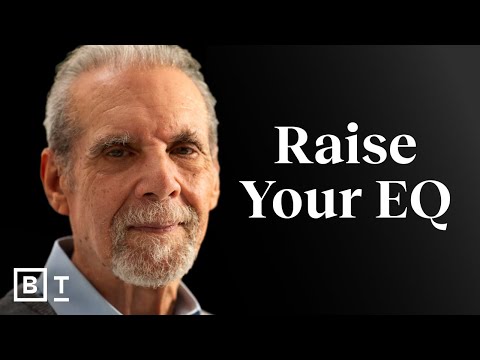
Okay, so let’s chat about something super cool—Dr. Marc Brackett. Ever heard of him? If you haven’t, don’t worry!
He’s this amazing guy who’s shaking things up in education. Seriously.
Este blog ofrece contenido únicamente con fines informativos, educativos y de reflexión. La información publicada no constituye consejo médico, psicológico ni psiquiátrico, y no sustituye la evaluación, el diagnóstico, el tratamiento ni la orientación individual de un profesional debidamente acreditado. Si crees que puedes estar atravesando un problema psicológico o de salud, consulta cuanto antes con un profesional certificado antes de tomar cualquier decisión importante sobre tu bienestar. No te automediques ni inicies, suspendas o modifiques medicamentos, terapias o tratamientos por tu cuenta. Aunque intentamos que la información sea útil y precisa, no garantizamos que esté completa, actualizada o que sea adecuada. El uso de este contenido es bajo tu propia responsabilidad y su lectura no crea una relación profesional, clínica ni terapéutica con el autor o con este sitio web.
What’s his secret sauce? Emotional intelligence! Yup, that’s right. It’s all about understanding feelings.
Imagine a classroom where kids can actually talk about their emotions without feeling weird. Sounds nice, huh?
Brackett believes that teaching kids to recognize and manage their feelings can totally change the game for learning and growing up.
So, grab your coffee, sit back, and let’s get into how he’s doing it!
Understanding Dr. Marc Brackett: Contributions to Emotional Intelligence and Education
Dr. Marc Brackett is a pretty big deal in the world of emotional intelligence, especially when it comes to education. His work is all about helping students and educators understand emotions better, which can truly transform the learning environment.
One of his major contributions is the development of the RULER approach. Now, I know you’re probably thinking, «What on earth is RULER?» Well, it stands for Recognizing, Understanding, Labeling, Expressing, and Regulating emotions. Sounds fancy, right? But in simple terms, it’s a framework that teaches people how to manage their emotions effectively.
- Recognizing: This means being aware of your feelings and those of others. It’s key for personal interactions.
- Understanding: Here’s where you dig deeper into why you feel a certain way.
- Labeling: Giving your emotions a name can really help in processing them.
- Expressing: Knowing how to share your feelings appropriately is super important.
- Regulating: This involves managing emotions in a healthy way rather than letting them control you.
Think about a time when you played a game that required teamwork. You know how vital it was to recognize if someone was frustrated or happy? That’s emotional intelligence at work! When students learn these skills through RULER, they not only improve their interpersonal relationships but also perform better academically.
The Classroom Impacts
Brackett’s research has shown that implementing emotional intelligence programs leads to positive changes in classrooms. Students report feeling more connected with one another and even demonstrate increased empathy. Imagine walking into a classroom where everyone feels safe to express their feelings!
And it doesn’t just stop with the students. Teachers who use this approach often experience less stress too! They’re better equipped to handle conflicts and support each other emotionally. This creates a healthier school culture overall.
Anecdote Time!
I remember chatting with an old friend who became a teacher after college. She once told me about her class of fourth-graders who were always yelling over each other during discussions. It was chaotic! Once she introduced some emotional intelligence practices from Brackett’s framework, things began to change dramatically. Students started taking turns expressing their feelings about topics they were discussing. It wasn’t perfect at first, but slowly they got better at listening to each other! That shift helped create an open space for sharing ideas without fear.
The Bottom Line
Dr. Marc Brackett isn’t just influencing classrooms; he’s sparking conversations around emotional awareness everywhere in education. By integrating emotional intelligence into our schools through frameworks like RULER we can create environments where everyone feels valued and understood.
Remember though—this information helps broaden your understanding but definitely doesn’t replace professional mental health support when needed! So if you ever feel overwhelmed or confused by your emotions, reaching out for help is totally what matters most!
Understanding the 5 C’s of Emotional Intelligence: Key Components for Personal and Professional Development
So, let’s chat about the 5 C’s of Emotional Intelligence. This concept really stems from the work of Dr. Marc Brackett, who’s all about bringing emotional intelligence into education, among other things. These components can totally help you grow in life, both personally and professionally.
1. Self-Awareness
First off, self-awareness is like looking into a mirror — but not just seeing your face. It’s recognizing your feelings and understanding how they impact your thoughts and behaviors. Ever had that moment when you realized you were upset, but you couldn’t pinpoint why? Yeah, identifying those feelings is key! Imagine playing a game where you need to predict the enemy’s moves; knowing your own thoughts can give you an edge!
2. Self-Regulation
Next up is self-regulation. This one’s all about managing those emotions once you’re aware of them. It’s like being in a heated multiplayer game; sometimes you get frustrated when things don’t go as planned. Instead of throwing your controller (you know what I mean?), being able to pause, take a breath, and reset is essential for keeping cool and staying focused.
3. Motivation
Then there’s motivation—this goes beyond just wanting to win the game or ace that test! It’s about having that internal drive to push through challenges and be resilient in the face of setbacks. Think of it as being motivated to level up in a video game even after dying a couple of times; you keep going because you’re excited about what comes next.
4. Empathy
Empathy might just be my favorite one! It’s about understanding and sharing the feelings of others—putting yourself in someone else’s shoes (or gaming chair). When you’re playing with friends online and they’re struggling at a certain level, showing empathy means offering support instead of getting frustrated at them for not performing well.
5. Social Skills
Last but definitely not least are social skills! This involves effectively navigating relationships with others. Whether you’re communicating clearly with teammates or resolving conflicts without causing drama during gameplay, strong social skills help build better connections—both online and offline.
Dr. Brackett emphasizes that teaching these skills in schools can really make a difference! By focusing on emotional intelligence education, kids can learn how to express themselves better and cooperate more effectively with their peers.
All these components together create an awesome toolbox for handling life’s ups and downs while also improving professional relationships! You might find it helpful to practice these skills daily; maybe keep a journal or join groups where discussions around feelings are encouraged.
In closing, it’s vital to remember that while these 5 C’s can boost your personal development, they’re not substitutes for professional help when needed. If you’re ever feeling overwhelmed or struggling deeply with emotions, reaching out to someone who can help is always the best move!
Understanding the 4 R’s of Emotional Intelligence: Key Concepts and Applications
Emotional intelligence is such a fascinating topic, isn’t it? I mean, we all have emotions, but understanding them is a whole different ball game. Dr. Marc Brackett, who you might know from his work in education, has really put a spotlight on how we can learn about and manage our emotions better. One of the key concepts he emphasizes is the **4 R’s of Emotional Intelligence**: Recognize, Reflect, Regulate, and Respond. Let’s break these down.
1. Recognize: This is all about noticing your feelings and the feelings of others. It’s like being on a treasure hunt for emotions! You might notice that your friend looks upset or that you’re feeling anxious about an upcoming test. When you recognize these emotions, you’re taking that first step toward understanding them.
2. Reflect: Once you’ve recognized an emotion, it’s time to think it through — that’s where reflecting comes in. Ask yourself questions like: “Why am I feeling this way?” or “What triggered this?” It’s similar to playing a puzzle game where you need to connect the dots. When you reflect on your feelings, you understand their roots much better.
3. Regulate: Here’s where things get tricky but super important! Regulating your emotions means figuring out what to do with them so they don’t take over. For example, if you’re feeling angry after a rough day at school, instead of exploding at someone or crying—yikes!—you might decide to take deep breaths or go for a jog. Kind of like controlling the character in your favorite video game—you want to keep it calm and focused!
4. Respond: Finally, there’s responding to those emotions—not just your own but also those of others around you. Think about how you might respond when a friend shares something sad; do you comfort them? Do you give advice? The way you respond can make all the difference in maintaining relationships and supporting others effectively.
So why does all this matter? Well, incorporating emotional intelligence into everyday life can help us build stronger relationships and tackle challenges more effectively—like conquering levels in a game! Imagine being able to navigate social situations effortlessly because you’ve got these skills down pat.
Dr. Brackett’s work highlights how schools are starting to teach emotional intelligence as part of their curriculum now—kind of revolutionary for education! It’s empowering kids to recognize their feelings instead of just stuffing them down.
In the end, understanding the 4 R’s helps create happier environments whether you’re at school or work—or just hanging out with friends—I mean seriously; who wouldn’t want that?
To wrap it up:
- Recognize: Notice your own and others’ feelings.
- Reflect: Think deeply about those emotions.
- Regulate: Manage how those feelings affect actions.
- Respond: React appropriately based on recognition and regulation.
It’s worthwhile stuff—just remember though; while exploring emotional intelligence is useful for everyone, it doesn’t replace professional help if needed!
You know, when you think about school, what pops into your head? Maybe textbooks, tests, and those awkward group projects. But there’s so much more to it, right? Enter Dr. Marc Brackett. This guy’s been shaking things up in the realm of education by bringing emotional intelligence to the forefront.
So, picture this: you’re in a classroom where instead of just cramming facts, everyone learns to recognize their feelings. I mean, how powerful would that be? Dr. Brackett believes that understanding your emotions can actually enhance learning and improve relationships. It’s like giving students a toolbox for their minds and hearts.
Here’s a little story that stuck with me: Dr. Brackett once shared an incident where a student broke down during class because they were grappling with something personal. Rather than shushing them or pushing them through the lesson as if nothing happened, he encouraged the class to first acknowledge those feelings. Can you imagine the impact of that? It’s not just about grades; it’s about being human!
Anyway, he created the RULER program at Yale University, which focuses on Recognizing, Understanding, Labeling, Expressing, and Regulating emotions. Seriously cool stuff! Schools implementing this have seen improvements not just academically but socially too. Students start to relate better with each other—and here’s the kicker—they feel more motivated and engaged in their learning process.
But let’s be real for a second: integrating emotional intelligence isn’t all sunshine and rainbows. You might face some resistance from traditionalists who see this approach as fluff or who worry about adding yet another layer to an already packed curriculum.
Still, I think Dr. Brackett’s work is crucial because emotions are part of our everyday lives. When we dismiss them in education, we’re basically ignoring half of what makes us tick as human beings! It reminds me that it’s okay to feel before we learn—because when we understand our own emotions better, we open up pathways for all sorts of knowledge.
In the end, thanks to folks like Dr. Brackett diving deep into emotional intelligence in education—students are learning lessons that will stick with them long past graduation day! Just imagine how much stronger our communities could be if more kids were taught not just math and science but also how to express compassion and empathy along the way? How awesome would that be?