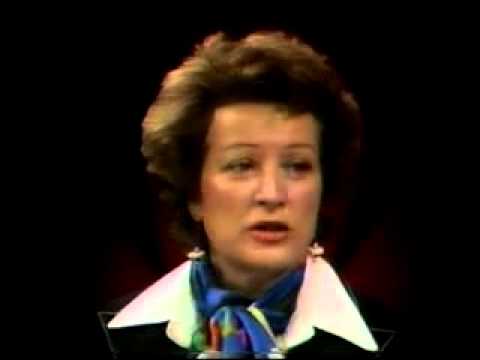
You know what’s interesting? The way we connect with kids. It can totally shape their lives, right? Well, that’s where Haim Ginott comes into play.
Este blog ofrece contenido únicamente con fines informativos, educativos y de reflexión. La información publicada no constituye consejo médico, psicológico ni psiquiátrico, y no sustituye la evaluación, el diagnóstico, el tratamiento ni la orientación individual de un profesional debidamente acreditado. Si crees que puedes estar atravesando un problema psicológico o de salud, consulta cuanto antes con un profesional certificado antes de tomar cualquier decisión importante sobre tu bienestar. No te automediques ni inicies, suspendas o modifiques medicamentos, terapias o tratamientos por tu cuenta. Aunque intentamos que la información sea útil y precisa, no garantizamos que esté completa, actualizada o que sea adecuada. El uso de este contenido es bajo tu propia responsabilidad y su lectura no crea una relación profesional, clínica ni terapéutica con el autor o con este sitio web.
This guy was a game changer in child psychology and education. Seriously, he had this knack for understanding kids and their feelings. And his ideas? They’re still rocking the parenting and teaching world today!
Imagine walking into a room full of children, and you just know how to make them feel heard and understood. That’s the kind of vibe Ginott was all about.
Stick around, because delving into his story might just change how you think about raising or teaching kids!
Haim G. Ginott: A Comprehensive Overview of His Life and Psychological Contributions
Haim G. Ginott was a remarkable figure in the realm of psychology, especially known for his work in child psychology and education. Born in 1922 in Israel, he moved to the United States, where he developed ideas that changed how we think about communicating with children.
One of Ginott’s most significant contributions is his emphasis on the emotional aspects of learning. He believed that understanding children’s feelings is crucial for effective communication. He argued that when kids feel understood and respected, they’re more likely to thrive emotionally and academically.
Here are a few key points about Ginott’s life and legacy:
- Humanistic Approach: Ginott was heavily influenced by humanistic psychology. He focused on the child’s perspective and stressed the importance of empathy in interactions.
- The Classroom Climate: He thought a positive classroom environment could enhance learning. For him, it wasn’t just about teaching facts but fostering emotional intelligence.
- The Power of Language: Ginott believed language shapes people’s experiences. He introduced strategies for teachers and parents to communicate effectively with children, using kind words even when addressing bad behavior.
A good example of his work can be found in his book “Between Parent and Child.” In it, he suggests phrases parents can use to convey understanding without punishing or belittling their children’s feelings. So instead of saying “Stop crying,” a parent might say “I see you’re really upset.” This small shift opens up a dialogue rather than shutting it down.
Furthermore, he created techniques like “The Reflective Listening” method where adults reflect back what they hear from kids. It’s like playing a game where you echo back what someone says—this helps kids feel validated.
Ginott also worked closely with educators, encouraging them to approach teaching as a partnership with students rather than a top-down process. His views transformed traditional disciplinary methods into more compassionate strategies.
In terms of influence, many modern educational frameworks owe something to Ginott’s ideas on emotional intelligence and communication. Yet while his contributions are monumental, it’s essential to remember that every child is different; not all methods will resonate with everyone.
Overall, Haim G. Ginott left a lasting impact on both psychology and education by recognizing the importance of feelings in learning environments. His work inspires educators and parents alike in creating supportive spaces for children to grow emotionally and academically.
So if you’re ever grappling with how best to communicate with younger folks or trying to create an engaging learning atmosphere? Remember some of Ginott’s key ideas—after all, respecting their emotions can go a long way!
5 Key Reasons Why Understanding Child Psychology is Essential for Development
Understanding child psychology is like opening a door to a whole new world. You see, it can totally impact how kids grow, learn, and interact with others. A key figure in this field is Haim Ginott, who really paved the way for our understanding of how children think and feel. Here are some reasons why grasping the basics of child psychology is super important for development.
- Building Strong Relationships: When you understand how kids perceive their world, you can connect with them better. It’s all about empathy! For instance, if a child feels upset because they lost a game, knowing they need support helps you comfort them effectively.
- Effective Communication: Haim Ginott emphasized the importance of respectful dialogue. Kids express themselves differently than adults. Using phrases that validate their feelings—like saying “It’s okay to be sad about losing”—creates an open space for communication. Your words can make such a difference!
- Promoting Emotional Intelligence: By recognizing what kids go through emotionally, you help them understand their own feelings. You might encourage them to express themselves through drawing or storytelling; this could spark conversations about emotions that enlighten both of you.
- Coping Skills Development: Kids face challenges every day—whether it’s navigating friendships or dealing with school pressure. By understanding their psychological needs, you can teach healthier coping strategies. For example, if they’re overwhelmed by homework, showing them how to break it down into smaller tasks can make it seem less scary.
- Encouraging Resilience: Haim Ginott believed that setbacks are part of life and learning to bounce back is crucial. Understanding child psychology means recognizing when kids struggle and helping them see these experiences as chances for growth instead of failures.
All these points highlight how important it is for us—parents, educators, or even just caring adults—to take time to learn about child psychology! It’s not just some academic thing; it’s really about making life easier and more enjoyable for kids (and ourselves). But remember: while knowledge is powerful, it doesn’t replace professional help when needed. If you ever find yourself in over your head regarding a child’s mental health or emotional issues, don’t hesitate to seek guidance from professionals who specialize in this area!
Haim Ginott Cause of Death: Understanding the Impact on His Psychological Legacy
Haim Ginott was a remarkable figure in child psychology and education. His teachings and methods shaped how we think about parenting and teaching today. But let’s not forget the impact of his untimely passing.
Born in 1922, Ginott was a child psychologist who introduced vital concepts related to communication between parents and children. He had this incredible knack for making the emotional connection between adults and kids more understandable. You could say he made feelings less scary!
But, unfortunately, Ginott passed away in 1973, in a tragic car accident. The loss was significant in multiple ways—not just for those who loved him personally but also for the field of child psychology.
So, what did Ginott leave behind? Well, aside from his innovative ideas like “I Messages” (you know, expressing feelings without blaming), here are some key points that define his lasting legacy:
- Effective Communication: His techniques helped parents express emotions constructively.
- Emotional Intelligence: Promoted understanding kids’ feelings rather than ignoring them.
- A Holistic Approach: Encouraged looking at the child as a whole person.
- Realistic Expectations: Helped parents set achievable goals for their kids.
Imagine playing a game where you can’t just go charging straight forward; you have to pause and think about the next move. That’s kind of what Ginott encouraged with parenting—considering your words before making them count.
His books, like *Between Parent and Child*, are still widely read today. In fact, they’re practically staples on any parenting bookshelf! It’s heartwarming to see how his ideas continue to resonate years after his death.
While Ginott’s passing was undoubtedly tragic, it also served as motivation for many educators and psychologists to delve deeper into child development. They picked up where he left off, exploring new ways of thinking about emotional health.
Interestingly enough, this narrative doesn’t replace professional help or therapy. It’s more like a springboard into deeper understanding—like how in some games you find hidden clues that lead to bigger treasures later on.
In essence, Haim Ginott may have left this world too soon but left behind an incredible legacy that still guides countless parents and educators today. His work is proof of how communication can truly shape lives!
Haim Ginott was one of those names that, even if you don’t know it well, you’ve probably felt his influence in some way. He was like this cool parent who understood what kids really needed—kindness, respect, and a little bit of guidance sprinkled in. I mean, we’ve all had moments where we felt lost as kids, right? You know the feeling when everything seems so confusing and no one’s really listening? That’s the space where Ginott stepped in.
Ginott believed that children should be treated as individuals with their own feelings and thoughts. Imagine sitting with a kid who’s upset about something that seems small to adults but is a big deal to them. Instead of brushing it off or dismissing them, Ginott taught us to validate those feelings. Like saying something simple such as “I see you’re really sad about that.” It doesn’t just make a child feel heard; it helps them learn to express emotions properly too.
I remember when I was a kid and my friend had lost her favorite toy. She was devastated! Instead of just telling her to get over it—because, you know how some adults can be—her mom sat down with her and talked through it. They shared funny stories about the toy and eventually laughed together at all the goofy things it did. It helped my friend process her sadness rather than just shove it down. That’s the kind of magic Ginott believed in.
Another thing he emphasized was communication between parents and children—which seems pretty basic but honestly changes everything. By using “I” statements instead of “you” statements (like “I feel upset when…”) parents could express their concerns without sounding attacking or critical. So instead of saying “You never listen,” they might say, “I feel unheard.” Pretty smooth move for building trust!
Kids aren’t little robots programmed to obey—they’re complex beings navigating their environments while figuring out how they fit into this big ol’ world. And that’s exactly why Ginott focused on promoting emotional intelligence in education and parenting—because knowing how to deal with feelings properly? Well, that can actually shape how someone approaches life later on.
In blending psychology with education in such an approachable way, Ginott left behind a legacy that speaks volumes even today. His work still rings true for anyone trying to understand children better or create healthier relationships within families. So here’s to Haim Ginott for being not just an educator but also someone who genuinely cared about kids growing up feeling respected and heard!