You know how some people seem to take everything to heart? Like, they’re always worried or stressed about something? Well, that’s a big part of what we call neuroticism. Seriously!
Este blog ofrece contenido únicamente con fines informativos, educativos y de reflexión. La información publicada no constituye consejo médico, psicológico ni psiquiátrico, y no sustituye la evaluación, el diagnóstico, el tratamiento ni la orientación individual de un profesional debidamente acreditado. Si crees que puedes estar atravesando un problema psicológico o de salud, consulta cuanto antes con un profesional certificado antes de tomar cualquier decisión importante sobre tu bienestar. No te automediques ni inicies, suspendas o modifiques medicamentos, terapias o tratamientos por tu cuenta. Aunque intentamos que la información sea útil y precisa, no garantizamos que esté completa, actualizada o que sea adecuada. El uso de este contenido es bajo tu propia responsabilidad y su lectura no crea una relación profesional, clínica ni terapéutica con el autor o con este sitio web.
It’s like this invisible thing that affects how we feel and react to the world around us. And it can really shape our relationships and experiences, huh?
Let me tell you a quick story. My buddy Mike used to freak out over every little thing—like if his toast burnt or someone didn’t text him back right away. It drove him bonkers!
But here’s the kicker: understanding this trait can actually help us deal with folks like Mike—or even ourselves—better. So, let’s chat about neuroticism and its effects; it might just change the way you see your friends (or you!).
Understanding the Big Five Personality Test: Key Traits and Insights
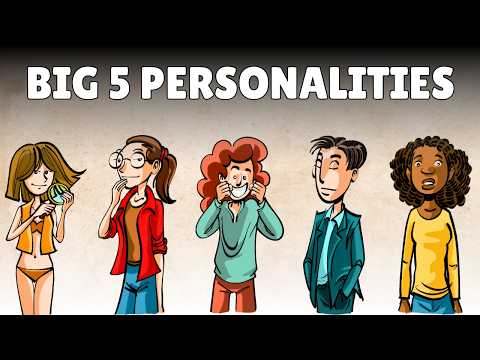
The Big Five Personality Test is a popular tool for understanding various personality traits. It breaks down our personalities into five key categories: openness, conscientiousness, extraversion, agreeableness, and neuroticism. Today, let’s zoom in on neuroticism, a trait that often gets a bad rap but is super important in understanding ourselves.
People high in neuroticism tend to experience emotions like anxiety, moodiness, and irritability more intensely than others. You know that friend who seems to get worried about everything? Yeah, they might score high on this scale. It’s not always a bad thing; it can make individuals more sensitive to potential problems or dangers.
- Emotional Instability: Those with high neuroticism often find it tough to manage stress. They might overreact to situations or feel overwhelmed easily.
- Self-Doubt: Ever second-guessing yourself? High levels of neuroticism can lead to constant questioning of one’s abilities and decisions.
- Anxiety: People who score high here may feel anxious about future events or personal relationships more often.
- Mood Swings: You might notice these folks have fluctuating moods and can go from happy to sad quickly.
- Interpersonal Issues: High neuroticism can sometimes create tension in relationships due to perceptions of others being unsupportive.
On the flip side, it’s essential to recognize that **lower levels of neuroticism** often correlate with emotional stability and resilience. Those who naturally maintain a more chill demeanor probably navigate life’s ups and downs without breaking a sweat.
Think about the video game character who panics at every challenge—classic high neuroticism! Now picture the one who stays cool under pressure, adapting easily and thriving amidst chaos. That’s the beauty of personality traits; they shape how we interact with challenges.
It’s also worth noting that while you might identify with some aspects of neuroticism, it’s just one piece of your entire personality puzzle. No single trait defines who you are entirely!
People vary widely on this scale; some may feel anxious occasionally while others live in a state of near-constant worry. If you’re someone who struggles with these feelings regularly, talking things over with someone—a friend or even a professional—can help shed light on those emotions. Remember though, this isn’t meant as professional guidance; it’s just food for thought!
Understanding where you fall on the neuroticism spectrum can provide valuable insights into your behavior and reactions. It’s like having your own personalized roadmap for navigating life—pretty neat if you ask me! So keep exploring these traits because they reveal so much about you.
Understanding the Big Five Personality Traits: A Comprehensive Guide to Human Behavior
So, let’s chat about something that really shapes who we are: neuroticism. This personality trait is part of the Big Five, which also includes openness, conscientiousness, extroversion, and agreeableness. Neuroticism can feel a bit heavy at times. It’s all about how you experience negative emotions like anxiety, anger, and sadness.
People who score high in neuroticism might find themselves feeling stressed or overwhelmed more often. You know that friend who panics over every little thing? Yeah, they might be on the higher end of this scale. This doesn’t mean they’re bad people; it just means their emotional reactions are a bit more intense.
- Emotional Instability: This is the core of neuroticism. If you’re someone who tends to get moody or super sensitive to stressors, you likely have a higher level of this trait.
- Anxiety: Those with high neuroticism often feel anxious about many things. Think about a video game where every enemy encounter sends your heart racing—that’s how some people feel navigating daily life!
- Self-Consciousness: Ever feel like everyone’s watching you? Yep! That’s common for those high in neuroticism. It can make social situations pretty nerve-wracking.
- Irritability: If you’re prone to snap at people over small annoyances or get easily frustrated, that might point to higher neurotic tendencies.
You’d be surprised how much neuroticism can affect your daily life! For example, let’s say you’re watching a tense movie. Someone high in neuroticism might jump out of their seat during jump scares, while someone lower on the scale laughs it off without breaking a sweat.
The effects of neuroticism can be tricky because they seep into various parts of life. It can affect job performance or relationships because constant worry or mood swings create tension. But check this out: being aware of this trait can help you manage it better! Sometimes just recognizing when you’re spiraling into anxiety can make a huge difference.
On the flip side, low levels of neuroticism mean folks generally handle stress well and don’t dwell too much on negative emotions. They probably take advice like «just relax» much easier than someone who gets easily stressed!
If you’re curious where you fall on this spectrum? There are fun assessments online (just search for «Big Five Personality Test») that give insight into your personality traits without replacing actual professional help if things get tough!
In the end, embracing our quirks—like where we fall on the neurotic scale—can lead us to personal growth and understanding ourselves better as individuals. So hey, whether you’re anxious or cool as a cucumber—it’s all part of being human!
Understanding the Big 5 Personality Traits: Definitions and Real-World Examples
Neuroticism is one of the five main personality traits in the Big Five model. It’s kind of like that rollercoaster you never wanted to get on, filled with ups and downs. People high in neuroticism often experience more negative emotions like anxiety, sadness, or anger. They might sweat the small stuff a lot or find themselves overreacting to situations.
So, what does it mean to be high in neuroticism? Well, let me break it down:
- Emotional Instability: Individuals may have mood swings and find it harder to manage their feelings.
- Anxiety: They might worry excessively about things going wrong, even when there’s no real threat.
- Self-Doubt: There’s often a tendency to feel insecure or question one’s abilities.
- Susceptibility to Stress: Life’s challenges can feel overwhelming; think of that friend who freaks out before exams every time!
You know how some games have characters who just can’t seem to catch a break? Think about that one character always getting knocked down, panicking at every monster encounter—yeah, kind of like someone with high neuroticism! It’s not that they’re not capable; they just react more intensely because they’re wired that way.
Now let’s talk about effects. Being high in neuroticism can impact relationships. Friends may struggle with someone who always sees the glass half empty or is forever looking for reassurance. It’s draining! At work? Well, those high on this trait might find collaboration tough because they fear critique or misinterpret feedback as personal attacks.
But hey, it’s not all bad news! Some aspects of neuroticism can actually fuel positive change. For instance, being aware of your anxieties can motivate you to seek help and tackle issues head-on. It’s like using your worries as a catalyst for improvement—kind of heroic if you think about it!
In real-world terms, if you’re wondering how this plays out in life: imagine two people getting feedback at work. One takes it personally and frets over each comment (hello neuroticism!), while the other sees it as a chance for growth. The first person might end up ruminating late at night over every word spoken—definitely not fun!
All in all, neuroticism plays a significant role in how we navigate life’s highs and lows. While it’s essential to understand that these traits vary greatly from person to person—that’s what makes us unique—recognizing these patterns in ourselves or others can be pretty enlightening.
Just remember though: if feelings are overwhelming or too tough to manage alone, reaching out for help is totally okay! You don’t have to ride this rollercoaster by yourself—it’s perfectly valid to ask for guidance when things get bumpy.
Neuroticism, huh? Kind of a heavy word, right? But it’s so interesting once you get into it. So, picture this: You’re at a party, and there’s this one person who seems to overthink everything. They might be worried that their outfit isn’t trendy enough or that they’re saying the wrong thing to someone. That’s a little glimpse into neuroticism.
Essentially, neuroticism is one of those traits from the Big Five personality model—somewhat like how extroversion or agreeableness works. It involves emotional instability, anxiety, and moodiness. Think about it like this: if you’re high in neuroticism, you might feel emotions more intensely than others do. Some people thrive on excitement or adventure; for someone with higher neuroticism, even small changes can trigger stress or worry.
Let me share a quick story. A close friend of mine has always been pretty high on the neurotic scale. Back in college, she’d freak out before exams—like pacing around her apartment and chewing on her nails kind of freak-out! But what really struck me was that when she did get anxious about tests or presentations, she always ended up studying super hard and doing well because she didn’t want to let that anxiety win. So, while it definitely seemed tough for her at times, I think it actually gave her that extra drive to succeed.
You see? Neuroticism can have its pros too! Sure, it makes people hyper-aware of potential problems and setbacks—which isn’t always fun—but it can also push them to work harder and achieve their goals. It’s like having an internal alarm system that gets set off at every little bump in the road.
On another note though—people low in neuroticism often handle stress way better and go with the flow more easily… kind of like my buddy who could chill out during exam season without breaking a sweat. We need both types of folks in this world; we create balance for each other!
All in all, understanding where you or your friends might fall on the neuroticism scale can help you navigate your relationships better. And hey, if you’re someone who tends to overthink things (or knows someone who does), just remember: it’s okay to feel those emotions deeply! You know what? Sometimes that’s just part of being human and can lead to some pretty amazing outcomes if channeled correctly!