Hey! So, let’s talk about something super cool—your personal growth. You ever feel like you’re stuck in a rut? I mean, we’ve all been there, right?
Este blog ofrece contenido únicamente con fines informativos, educativos y de reflexión. La información publicada no constituye consejo médico, psicológico ni psiquiátrico, y no sustituye la evaluación, el diagnóstico, el tratamiento ni la orientación individual de un profesional debidamente acreditado. Si crees que puedes estar atravesando un problema psicológico o de salud, consulta cuanto antes con un profesional certificado antes de tomar cualquier decisión importante sobre tu bienestar. No te automediques ni inicies, suspendas o modifiques medicamentos, terapias o tratamientos por tu cuenta. Aunque intentamos que la información sea útil y precisa, no garantizamos que esté completa, actualizada o que sea adecuada. El uso de este contenido es bajo tu propia responsabilidad y su lectura no crea una relación profesional, clínica ni terapéutica con el autor o con este sitio web.
Well, that’s where the Thomas Profile Assessment comes in. Seriously, it’s like getting a backstage pass to your own mind! 🎟️ It digs deep into your personality and helps you figure out what makes you tick.
Imagine knowing your strengths and weaknesses inside-out. Sounds awesome, huh? You’ll be surprised at the insights you can gather about yourself. Plus, it’s all about growth!
Let’s get into how this assessment can really light up your path to becoming the best version of yourself! So stick around; this is going to be interesting!
Effective Strategies for Successfully Passing the Thomas Personality Test
Alright, let’s talk about the Thomas Personality Test, or as some call it, the Thomas Profile Assessment. It’s a tool aimed at helping you understand your personality traits and how they impact your interactions, work style, and even personal growth. If you’re gearing up to take this test, here are some effective strategies to help you navigate it smoothly.
Be Honest. This might sound cliché, but really—don’t overthink your answers. The idea is to reflect your true self. If you try to game the system or give what you think are «better» answers, it could lead to results that don’t actually represent who you are. Imagine playing a game and choosing moves based on what seems «cool» rather than what you’d actually do. You’d probably lose!
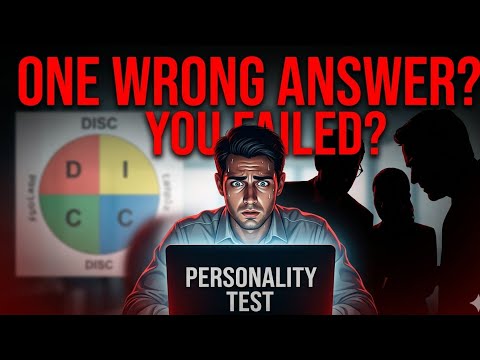
Understand the Four Personality Types. The Thomas Profile typically categorizes personalities into four types: Dominance, Influence, Steadiness, and Conscientiousness (D.I.S.C.). Here’s a quick rundown:
- Dominance (D): People with this trait are usually assertive and love challenges.
- Influence (I): These folks tend to be social and enjoy working with others.
- Steadiness (S): They’re calm and reliable; they value harmony in their environment.
- Conscientiousness (C): Detail-oriented folks focused on accuracy and quality.
Reflect on Your Experiences. Before taking the test, think about past situations where you’ve had to work under pressure or collaborate with others. How did you react? This reflection can help crystallize your feelings about yourself which makes it easier when those questions pop up.
Practice Self-Awareness. Spend some time understanding your strengths and weaknesses. If knowing that you’re great at leading teams but struggle with detailed tasks helps frame your answers better, that’s a win! Just like in a video game where recognizing which skills you excel at can guide your play style.
Avoid Judgmental Comparisons. Someone might score high in Influence because they’re super sociable—it doesn’t mean that’s better than being strong in Conscientiousness! Everyone’s unique strengths contribute differently to teams or projects. So keep this in mind while answering.
Stay Calm During the Test. If possible find a quiet spot away from distractions. Nervousness can cloud your judgment; remember it’s just an assessment—not an exam where you’ll be graded harshly! Picture yourself relaxing before starting a puzzle—a clear mind will help you focus better.
Use Your Results for Growth. Once you’ve completed the test and reviewed results, take time to go through them seriously. Is there something that surprises you? Maybe an area where you’re thriving or struggling? This insight isn’t just for employers; it’s also for personal development!
In essence, these strategies aim not just at passing the test but using it as a stepping stone for deeper self-awareness and growth. And look—this test doesn’t replace professional advice or therapy if you’re looking for deeper insights into your behavior patterns!
So gear up mentally before taking that plunge into self-discovery through the Thomas Personality Test—you got this!
Understanding Thomas Personal Profile Analysis: A Guide to Its Purpose and Benefits
The Thomas Personal Profile Analysis (PPA) is a tool designed to help you understand yourself better. It’s all about assessing your behavior in different situations. This isn’t just some random quiz; it aims to provide insights that can fuel your personal growth. So, let’s break down what this thing really is and why it might be useful for you.
What is the Thomas Personal Profile Analysis?
It’s a psychometric assessment that measures your behavioral traits. You fill out a questionnaire, and from your answers, it generates a profile detailing how you typically behave—think of it like a personal roadmap, highlighting your strengths and potential blind spots.
Purpose of the PPA
The main goal here is self-awareness. The assessment helps you recognize patterns in your behavior. Maybe you’re naturally outgoing or perhaps more reserved? Knowing where you stand can help enhance your communication skills or relationships.
Benefits
- Improved Self-Awareness: By understanding your behavior patterns, you start recognizing why you react in certain ways.
- Better Communication: The insights can improve how you interact with others—ever played those multi-player games where communication is key? Same deal here!
- Team Dynamics: If you’re part of a team, PPA results can clarify everyone’s role and how to leverage each member’s unique strengths.
- Career Development: Employers often use these profiles during hiring processes or team building sessions to ensure they’re placing the right people in the right roles.
Let me share an example: imagine you’re playing a strategy game where each player has different roles based on their skills. The tank absorbs damage while the healer keeps everyone alive. If you’re aware of your own style—maybe you’re best at strategy over aggression—you can take on the right role in any group setting.
Anecdote Time:
I once took this assessment during a team workshop. I was shocked to learn I had a strong preference for being detail-oriented instead of big-picture thinking. This little revelation reshaped how I approach projects—all those times I felt overwhelmed by chaos suddenly made sense!
While PPA shows valuable insights, it’s important to remember it shouldn’t replace professional help if you’re dealing with deeper issues or challenges. Think of it as one tool among many in your personal development toolkit—like going into battle fully equipped but knowing sometimes you’ll need backup.
In summary, understanding yourself through tools like the Thomas Personal Profile Analysis can lead to significant growth opportunities both personally and professionally. It provides clarity about how you operate and interact with others around you. So take that step toward better self-awareness—you might find new paths opening up!
Understanding Ourselves: Insights from Personality Tests
In the quest to understand ourselves, personality tests have gained a lot of popularity. One of these is the Thomas Profile Assessment, which digs deep into our personality traits. It’s kind of like using a map when you’re exploring an unfamiliar city. You wouldn’t want to get lost, right? So, let’s break it down!
The Thomas Profile is designed to measure four primary dimensions of personality: dominance, influence, steadiness, and conscientiousness. You can think of these as four corners of a room where each corner represents a different side of us.
- Dominance: This dimension reflects how assertive or competitive you are. Dominant people like challenges and often take charge in situations.
- Influence: Here, you’ll find those who are social butterflies! They’re all about building relationships and swaying others with their charm.
- Steadiness: People scoring high here tend to be calm and patient. They value stability and are great listeners—think of them as your reliable friend who’s always there.
- Conscientiousness: This trait indicates how detail-oriented and organized you are. Conscientious folks love structure and take their responsibilities seriously.
It’s pretty fascinating because, by understanding these dimensions, you get insights into your behavior and thought patterns. For example, if you score high on dominance but low on steadiness, you might find yourself pushing for results while sometimes overlooking the emotional needs of others. You know?
Reflecting on my experience with personality tests, I remember taking one during college that said I was super agreeable (thank you tests!). At first, I was like “Cool!” But later on, I realized it made it hard for me to voice my opinions in group projects—yeah complicated situations! So, understanding that part about myself helped me become more assertive over time.
After taking the Thomas Profile Assessment—or any similar test—the goal isn’t just to slap a label on yourself or your friends. It’s about doing some serious soul-searching! What do those traits mean for your relationships? Your work life? How can you use this knowledge for personal growth?
For instance:
- If you know that you’re naturally influential, maybe it’s time to take on a leadership role at work!
- If you’re steadier than average, consider mentoring someone who’s more impulsive; your balance could really help them!
- If you’re super detail-oriented but struggle when things get chaotic (who doesn’t?), working on flexibility could be a game-changer!
So here’s the deal: **self-discovery** through tools like the Thomas Profile Assessment can provide clarity but don’t forget—this isn’t some magic wand that solves everything! It’s just one piece of the puzzle in understanding yourself better.
And remember—you don’t have to go through this journey alone! If what you uncover brings up uncomfortable feelings or confusion—and let’s face it; sometimes it does—talking with a trusted friend or even seeking professional guidance can be super helpful.
In essence, personality tests can open doors to self-awareness that lead us toward personal growth. Isn’t that cool? The key takeaway? Embrace what makes you unique while being open to evolving as well!
You know, when I first stumbled upon the Thomas Profile Assessment, it felt like discovering a treasure map for personal growth. Seriously, it’s amazing how diving into your own personality can provide such clarity. So, this assessment really digs into your behaviors and preferences—it’s like peeking behind the curtain to see what makes you tick.
I remember chatting with a friend who was going through a rough patch at work. She felt stuck in her role and wasn’t sure how to move forward. We decided to take the Thomas Profile together—just for fun, you know? Well, what happened next was eye-opening! Her results revealed that she thrived in environments where she could collaborate and innovate. It was such an “aha” moment for her! Suddenly, she realized why traditional desk jobs left her feeling burnt out.
The cool thing about the Charles Thomas Assessment is that it highlights four main behavioral styles: Dominance, Influence, Steadiness, and Conscientiousness. Each one has its strengths and challenges, so it’s not like one style is better than the other. Take Dominance folks; they’re assertive and goal-oriented but might come off as too intense sometimes. Then you’ve got Steadiness types who are super loyal but might struggle with change. Isn’t that interesting?
What stands out is how this assessment encourages you to think about your interactions with others too. Like, if you know someone scores high on Influence, maybe they need encouragement and recognition to flourish. Understanding these dynamics can seriously boost your relationships—both personal and professional!
Also! It’s not just about understanding others; it’s about recognizing your blind spots. You might find yourself leaning too much into one area at times—like if you’re always dominating meetings without realizing it—or maybe you’re avoiding conflict when you should speak up.
At its core, using the Thomas Profile is about growth—it gives you language for things that often feel murky or confusing in our daily lives. It kind of acts as a mirror reflecting back aspects of ourselves we may not fully acknowledge.
So yeah, embracing this kind of self-discovery doesn’t just help us grow individually; it helps us be more empathetic toward those around us too! It’s like unlocking a new level in life where both personal success and healthy relationships co-exist—you get me? All in all, taking time to understand ourselves through tools like this can lead to profound changes over time—it did for my friend!
As we all continue this wild journey called life, every bit of insight helps us become just a little more of who we’re meant to be. Isn’t that something worth striving for?