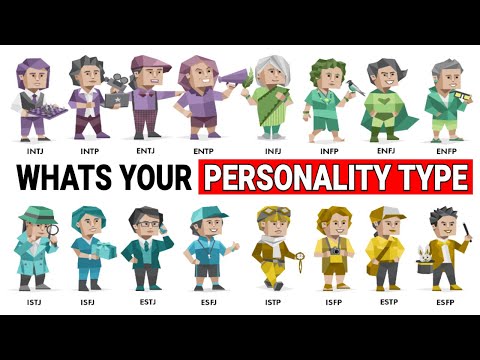
You know what’s funny? Some of the most social people I know are introverts. Seriously!
They can light up a room one minute and then need to recharge for days after. It’s wild, right?
Este blog ofrece contenido únicamente con fines informativos, educativos y de reflexión. La información publicada no constituye consejo médico, psicológico ni psiquiátrico, y no sustituye la evaluación, el diagnóstico, el tratamiento ni la orientación individual de un profesional debidamente acreditado. Si crees que puedes estar atravesando un problema psicológico o de salud, consulta cuanto antes con un profesional certificado antes de tomar cualquier decisión importante sobre tu bienestar. No te automediques ni inicies, suspendas o modifiques medicamentos, terapias o tratamientos por tu cuenta. Aunque intentamos que la información sea útil y precisa, no garantizamos que esté completa, actualizada o que sea adecuada. El uso de este contenido es bajo tu propia responsabilidad y su lectura no crea una relación profesional, clínica ni terapéutica con el autor o con este sitio web.
These “outgoing introverts” are like this cool blend of social butterflies and cozy hermits. You might relate if you’ve ever felt the urge to go out and party, but then find yourself craving your couch just a few hours in.
It’s all about that delicate dance between needing connection and needing space. So let’s chat about it!
Understanding the 4 Types of Verts: A Comprehensive Guide
So, let’s talk about this interesting mix known as “outgoing introverts.” First off, you might be wondering what that even means. Well, it’s a unique blend of being social while also craving some personal space. Basically, these folks enjoy being around people but also need time to recharge by themselves. Can you relate? I know I can!
Understanding Outgoing Introverts
You see, outgoing introverts love socializing but don’t want to be in the spotlight all the time. They’re the ones who can light up a room yet also feel drained after a big party. Think of it like playing your favorite video game: you can go hard in battle mode but eventually need to hit pause and regenerate health!
- Social Butterflies at Heart: They thrive in social situations and often seek them out.
- The Pause Button: After social gatherings, they typically need alone time to recharge.
- Deep Connections: They often prefer quality over quantity when it comes to friendships.
- Cognitive Dissonance: Outgoing introverts might push themselves into social situations even when they’re feeling overwhelmed.
Let me share a quick story. A friend of mine, Emily, is an outgoing introvert. At her birthday party last summer, she was the life of the party—cracking jokes and dancing like nobody was watching. But later that night, she told me she felt super worn out and just wanted to curl up with her favorite book in bed. It’s that kind of contrast that makes them so fascinating!
The Balancing Act
Now, managing this balance between being social and recharging alone can be tricky. Outgoing introverts must learn how to navigate their own needs without sacrificing their desire for connection.
- Scheduling Downtime: Giving yourself permission for ‘me time’ is crucial.
- Setting Boundaries: It’s okay to say no sometimes or leave an event early if you’re feeling drained.
- Communicating Needs: Letting friends know you love hanging out but might need breaks helps set expectations.
Consider this: have you ever played a co-op game where teamwork is key? You can’t charge ahead without coordinating with your partner or taking cover for a bit! That’s similar to how outgoing introverts approach their social lives—they thrive on teamwork with friends but still need that momentary retreat.
Navigating Relationships
In relationships, outgoing introverts are loyal companions who value deep conversations and emotional connections over small talk.
- Quality Time: They tend to invest more in fewer friendships rather than spreading themselves too thin.
- Caring Nature: They genuinely listen and often remember little details about your life.
- Taking Initiatives: If they reach out first, it usually means they really appreciate you!
Their friends might not always realize how much energy goes into maintaining these relationships. So if you’re close with one of these folks, showing appreciation for their efforts goes a long way.
The Takeaway
It’s important to remember that everyone has different ways of approaching life and relationships—outgoing introverts included! Recognizing this balance between energy gained from others versus energy spent on interactions can lead to healthier friendships.
And hey—if navigating your own feelings or those of someone close feels overwhelming at times? That’s completely okay! Seeking advice from professionals can offer great insights tailored just for you or your situation. Just don’t forget that everyone has their unique quirks!
So, let’s talk about this whole outgoing introvert thing. You know, those people who can light up a room when they walk in but need their alone time to recharge? I’ve been there, and maybe you have too. It’s like juggling flaming torches while riding a unicycle—you have to keep your balance, or it all goes up in smoke!
I remember this one time at a friend’s party. I was totally on fire—chatting with everyone, laughing until my sides hurt. But just a few hours in, I could feel my energy tanking. It was like hitting that invisible wall where suddenly all the chatter felt overwhelming instead of exciting. So yeah, I ducked into the bathroom for a quick breather—seriously! Just me and my thoughts for five minutes was all it took to reset me.
It’s funny how we think about introverts as shy loners and extroverts as social butterflies. But really, it’s not that black and white. Outgoing introverts love socializing; they just need that solitary time to refill their batteries afterward. It’s like they’re sipping from two different cups—one filled with social energy and the other with personal space.
Balancing both sides is tough sometimes! You might find yourself at an event having an absolute blast but also looking for the nearest quiet corner three hours later (guilty!). The conflict often boils down to managing expectations—your own and others’. Friends might expect you to be the life of the party all night, but what happens when your mind starts shouting “Get me outta here!”?
And then there’s self-acceptance; embracing the fact that you don’t have to fit into one specific mold is liberating! When you acknowledge your need for both connection and solitude, it takes off some of that pressure. You don’t have to apologize for needing that downtime because hey, you’re recharging to bring your best self back out into the world.
Honestly though? It helps to communicate this juggling act with friends too. Just letting them know you’ll pop out for breaks makes it easier for everyone involved—you’re still there but not completely drained by all the mingling.
So whether you’re dancing on tables or sneaking off for air—you do you! Balancing social energy with personal space might feel like a tightrope walk at times, but in the end it’s about finding what works best for you without losing sight of either side of yourself!