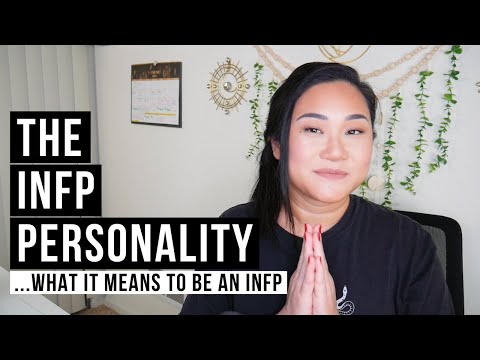
Hey you! So, let’s chat about a personality type that’s kind of like the quiet artist in the room—the INFP. You know, the dreamers?
Este blog ofrece contenido únicamente con fines informativos, educativos y de reflexión. La información publicada no constituye consejo médico, psicológico ni psiquiátrico, y no sustituye la evaluación, el diagnóstico, el tratamiento ni la orientación individual de un profesional debidamente acreditado. Si crees que puedes estar atravesando un problema psicológico o de salud, consulta cuanto antes con un profesional certificado antes de tomar cualquier decisión importante sobre tu bienestar. No te automediques ni inicies, suspendas o modifiques medicamentos, terapias o tratamientos por tu cuenta. Aunque intentamos que la información sea útil y precisa, no garantizamos que esté completa, actualizada o que sea adecuada. El uso de este contenido es bajo tu propia responsabilidad y su lectura no crea una relación profesional, clínica ni terapéutica con el autor o con este sitio web.
These folks are all about deep feelings and big ideas. Sometimes they can seem a bit mysterious. It’s like they’ve got this whole universe going on inside their heads. Pretty cool, huh?
But what does it actually mean to be an INFP? Well, I’m glad you asked! Get ready, because we’re gonna dive into those unique traits that make them tick. You’ll see why they’re not just shy wallflowers but passionate souls with tons of creativity bursting to get out!
Exploring the Connection: Are Most INFPs on the Autism Spectrum?
It’s pretty interesting how personality types and neurodiversity can sometimes overlap. If you’ve heard of INFPs, you know they’re often described as idealistic, sensitive, and deeply introspective. But let’s talk about something intriguing: Are most INFPs on the autism spectrum?
First off, it’s essential to understand what the INFP personality type is all about. INFPs are often known for their empathy, creativity, and desire for authenticity. They’re dreamers who value deep connections and tend to be focused on their inner values. However, that doesn’t mean they’re inherently neurodivergent or autistic.
Now, let’s break down some key traits of INFPs that might create confusion:
- Emotional Depth: Many INFPs feel emotions intensely. This can sometimes resemble some emotional experiences found in autism.
- Social Challenges: Though not all INFPs struggle socially, some may find social interactions daunting.
- Sensitivity to Stimuli: This might include being easily overwhelmed by strong sensory input, similar to experiences reported by those on the autism spectrum.
- Introspection: A strong focus on their thoughts and feelings could make them seem different from others.
But here’s the thing: these traits alone do not mean someone is autistic or has a definitive diagnosis. It’s crucial to appreciate the difference between having an INFP personality and being on the autism spectrum.
A friend of mine named Sarah identified as an INFP for years but often felt disconnected in social settings. She loved writing poetry and spent hours in her own world of imagination. While she sometimes struggled with small talk at parties, that didn’t automatically place her on the autism spectrum—she just had her unique way of interacting with the world.
The overlap exists mainly because both groups may favor depth over breadth in relationships and experience emotions differently than others might. However, it’s vital not to jump to conclusions based solely on personality traits.
Another point worth mentioning is how diverse both camps are! Not all people who score high on empathy or preference for solitude fall into one category or another.
In summary:
- Being an INFP doesn’t confirm someone is autistic.
- The traits can overlap but each person is unique.
- If there’s concern about someone’s mental health or neurodiversity, speaking with a professional is always key.
So remember: while personaity types like INFP can show some similarities with autism spectrum characteristics, they are not interchangeable categories. Understanding this distinction is crucial!
In-Depth Analysis of the INFP Personality Type: Traits, Strengths, and Challenges
So, you’ve probably heard of the INFP personality type, right? These folks are often described as the dreamers or idealists of the Myers-Briggs family. If you’re curious about what makes them tick, buckle up! We’re about to take a deep dive together.
Traits
- Idealistic: INFPs tend to have strong values and a vision for a better world. They often feel deeply about social causes and injustices.
- Empathetic: They’re usually in tune with other people’s feelings. When a friend is upset, an INFP can genuinely feel that pain with them.
- Creative: Often drawn to the arts, many INFPs express themselves through writing, music, or visual arts. Think of them as sometimes living inside their own imaginative worlds!
- Introspective: They love deep thinking and reflection. This means they might spend hours pondering life’s big questions or journaling about their feelings.
I remember a friend who was an INFP and spent countless nights writing poetry under the stars. It was like they could channel all their emotions onto paper; it made perfect sense to me!
Strengths
- Altruism: Their desire to help others is pretty powerful. Many INFPs dedicate time to volunteering or working for non-profits.
- Loyalty: Once you’re in an INFP’s inner circle, they’ll have your back through thick and thin. Seriously, they’re ride-or-die friends!
- Open-mindedness: They generally embrace different perspectives and ideas, which can lead to interesting conversations.
- Courageous in beliefs: When it comes to standing up for their values or beliefs, INFPs won’t back down easily.
An example: think of a character like Link from *The Legend of Zelda*. He embodies bravery and determination while also being kind-hearted—definitely some classic INFP vibes there!
Challenges
- Sensitivity: While this can be a strength, it also means criticism can really sting for them. An innocent comment might stay on their mind longer than you’d expect.
- Avoidance of conflict: Rather than deal with confrontation head-on, many INFPs will shy away from tough conversations. This might lead to unresolved issues over time.
- Idealism: Their lofty expectations can sometimes set them up for disappointment if reality doesn’t match their dreams.
- Difficulties with practicality: Sometimes focusing so much on ideals can make practical day-to-day tasks feel unexciting or even overwhelming.
I once knew an INFP who had such grand dreams but struggled with everyday responsibilities like paying bills or staying organized! It’s not easy when your heart is somewhere else entirely.
If you’re looking for support dealing with personality traits—whether yours or someone else’s—it’s always good to chat with someone who knows their stuff professionally. Just remember I’m not one of those experts! But I hope this peek into the INFP world helps you understand yourself or someone close just a little better!
This personality type brings so much richness into life but also faces unique challenges that deserve understanding and compassion! So next time you meet an INFP, maybe give them some extra love for all those dreamy thoughts swirling around in their heads!
Understanding the INFP-T Personality Type: Traits, Strengths, and Challenges
So, you’re curious about the INFP-T personality type, huh? That’s awesome! INFPs, also known as «the Mediators,» are part of the Myers-Briggs Type Indicator. They’re creative, introspective, and often feel like they don’t quite fit in. Let’s break down some key traits, strengths, and challenges of this fascinating type.
- Idealistic: INFPs have a strong sense of values and beliefs. They often dream big and want to make a positive impact on the world. Think of them as the characters in your favorite fantasy game who fight for justice and equality.
- Empathetic: If you ever need someone to listen to your problems, an INFP is your go-to friend. They’re incredibly sensitive to others’ feelings and often feel deeply themselves. It’s like their emotional radar is always on.
- Creative: With their imagination running wild, many INFPs express themselves through art, writing, or other creative outlets. You know those moments when you’re so inspired that you just have to write a story or paint? That’s an INFP vibe!
- Introspective: Spending time alone? INFPs thrive in those moments! They enjoy reflecting on their thoughts and feelings, which can sometimes lead them to seem distant or lost in thought.
Now let’s talk about some strengths:
- Strong moral compass: INFPs are guided by their principles. They’ll stand up for what they believe in—sometimes even if it means going against the crowd.
- Caring friends: When you need someone who will support you unconditionally? An INFP has got your back; they’ll listen and provide comfort without judgment.
- Adaptable: While they thrive on routine at times, these folks can also go with the flow when needed. Their flexibility helps them navigate unexpected situations with grace.
But it’s not sunshine and rainbows all the time! Here are some challenges:
- Overly idealistic: Sometimes, their high expectations can lead to disappointment—especially when reality doesn’t match their dreams.
- Avoidance of conflict: If there’s tension brewing, an INFP might prefer to retreat rather than face it head-on. This can make resolving issues tricky at times.
- Difficult decision-making: With so many options swimming around in their heads, making choices can feel daunting for an INFP. It’s like being stuck between multiple quests without knowing which one to take!
You know what’s interesting? My friend Sarah is an INFP-T. She’s got this creative spark that lights up her artwork but often finds herself caught between her desire for perfection and her fear of not being «good enough.» I’ve seen her put off sharing her work because she gets too wrapped up in how others might perceive it—classic INFP struggles!
The bottom line is: if you’re an INFP-T or know one, understanding these traits can be really helpful! It sheds light on how to navigate life better while embracing those unique qualities that make being an INFP special.
If anything resonates with you from this little chat about personality types—or if you’re feeling overwhelmed—remember that talking about feelings with a professional never hurts!
So, let’s chat about INFPs. If you’re not familiar, INFP stands for Introverted, Intuitive, Feeling, and Perceiving. It’s one of those personality types from the Myers-Briggs Type Indicator, and honestly? They’re pretty interesting.
You know what? I have a friend who’s an INFP. She’s this beautiful mess of creativity and emotion. One time she spent an entire weekend writing poetry in her room because she felt inspired by a rainy day. I mean, how cool is that? But at the same time, she can be quite sensitive to criticism—like if someone says they don’t like her work, she might take it way too personally. That’s a classic INFP trait: taking things to heart.
A big part of being an INFP is feeling deeply about things—think compassion and idealism wrapped in a warm blanket of empathy. They often see the world through this lens of potential goodness and beauty. But this can lead to some struggles too; because they want to make the world better, they can get lost in their thoughts about how to change it, sometimes feeling overwhelmed by all that need.
And here’s where the introversion comes in: they often prefer quiet spaces where they can recharge—even if it means missing out on social events that others might thrive in. They enjoy connecting with like-minded folks on deep levels rather than chit-chatting about the weather or whatever else comes up.
But let me tell you about the creative spark! Most INFPs have this incredible imagination—they’re often artists or writers or whatever allows them to express those rich inner worlds. I mean, my friend mentioned once that when she writes music, it’s like catharsis for her; it helps her work through emotions she’d rather not voice out loud in conversation.
On top of that—here’s an interesting point—INFPs tend to be pretty flexible; their Perceiving trait means they’re adaptable and open-minded too! This can sometimes mean they struggle with routine or making decisions quickly because there are just so many possibilities out there.
So basically? They embody complexity; a mix that can be incredibly inspiring yet challenging at times too. Living as an INFP might feel like riding a rollercoaster of emotions while trying to find your way toward your ideals—all while navigating life’s ups and downs.
In short? If you know someone who identifies as an INFP (or if you are one), just know there’s so much depth beneath those sensitive exteriors—you could say they’re dreamers with hearts wide open! And honestly? That kind of vulnerability makes the world all the more colorful.