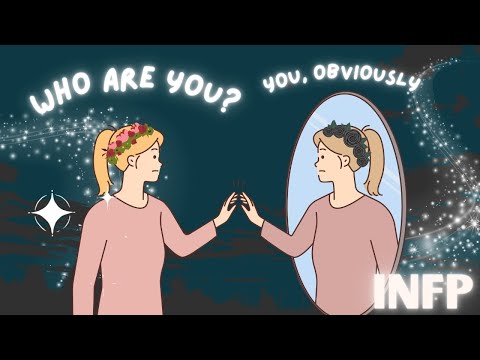
So, you ever come across those personality types and think, “What am I even?” Yeah, me too! Well, if you’re an INFP-T—or just curious about it—you’re in the right spot.
Este blog ofrece contenido únicamente con fines informativos, educativos y de reflexión. La información publicada no constituye consejo médico, psicológico ni psiquiátrico, y no sustituye la evaluación, el diagnóstico, el tratamiento ni la orientación individual de un profesional debidamente acreditado. Si crees que puedes estar atravesando un problema psicológico o de salud, consulta cuanto antes con un profesional certificado antes de tomar cualquier decisión importante sobre tu bienestar. No te automediques ni inicies, suspendas o modifiques medicamentos, terapias o tratamientos por tu cuenta. Aunque intentamos que la información sea útil y precisa, no garantizamos que esté completa, actualizada o que sea adecuada. El uso de este contenido es bajo tu propia responsabilidad y su lectura no crea una relación profesional, clínica ni terapéutica con el autor o con este sitio web.
These folks are often known as the «idealists,» and trust me, there’s way more to them than just that label. They’ve got this unique mix of traits that makes them really stand out.
You might be wondering what being an INFP-T really means. It’s like diving into a world of imagination and deep feelings. So let’s break it down together!
Key Traits of an INFP-T: Understanding the Unique Characteristics of This Personality Type
So, you’re curious about the INFP-T personality type, huh? Well, let’s break it down! INFPs are often known as the «Mediators» of the Myers-Briggs personality types. The «T» stands for “Turbulent,” which adds a layer of complexity to their already rich character. You with me?
First off, let’s cover some basic traits:
- Idealistic: INFP-Ts have a strong sense of what is right and wrong. They often dream about making the world a better place.
- Emotionally Sensitive: They feel emotions deeply. This can lead to empathy for others but also vulnerability to stress or criticism.
- Creative: Many INFPs are drawn to artistic pursuits or writing, using their imagination to express themselves.
- Introspective: They spend time reflecting on their thoughts and feelings, seeking meaning in their experiences.
I’ll share a quick story here: A friend of mine once wrote a heartfelt poem about her struggles with anxiety. She shared it during a small gathering, and you could feel how deeply it resonated with everyone. That’s classic INFP, giving voice to emotions that many keep bottled up.
The Turbulent aspect adds some interesting flavor too. It means these individuals can be more self-critical and anxious than their assertive counterparts (the INFP-A). They might worry more about whether they’re living up to their ideals or if they’re making the right choices in life.
You know what? This inner turmoil can lead them on wild emotional journeys. Think of it like playing an intense video game where every choice alters your path—an amazing but sometimes exhausting experience!
- Moral Compass: INFP-Ts stick firmly to their values and beliefs. They won’t easily compromise when it comes to what they stand for.
- Flexible: Despite their ideals, they can adapt quickly when faced with new information or perspectives.
- Loyal Friends: When they connect with someone, it’s often on a deep level. You can count on them.
- Avoiding Conflict: Sometimes they’ll go out of their way to keep the peace rather than confront issues head-on.
If you think about characters in games like *The Legend of Zelda*, they often embody values that resonate strongly with INFPs—defending good against evil while grappling internally with their choices along the way.
Beneath all this complexity lies a desire for authentic connections. That’s really important for them! Whether through friendships or romantic relationships, INFP-Ts thrive in environments where they feel understood and valued.
You might find them spending time alone recharging after social events because being around people drains them emotionally despite how much they love deep conversations!
The key takeaway? If you’re an INFP-T or know one, embrace those feelings! Understand that being idealistic doesn’t mean you’re unrealistic; it just means you probably strive for something better—something beautiful! And look out for professional help if those sensitive feelings become overwhelming; there’s absolutely no shame in seeking support when you need it!
This personality type is truly unique and vibrant, carrying a blend of passion and sensitivity that makes them one-of-a-kind. So celebrate the quirks and qualities; they’re what make life lively and meaningful!
Understanding the Connection Between INFP T Personality Types and Autism
Alright, let’s chat about the INFP-T personality type and how it might connect with autism. You might be familiar with the Myers-Briggs Type Indicator (MBTI). It categorizes people into 16 different personality types, and INFP is one of them. The «T» stands for “Turbulent,” which means they tend to experience their emotions intensely and often feel a bit insecure about themselves.
INFPs are often described as idealists or dreamers. They value authenticity, creativity, and deep connections with others. But there’s more beneath the surface. Here are some key traits:
- Empathy: INFPs have an incredible capacity to understand how others feel.
- Introverted: They often need time alone to recharge their energy.
- Courageous Idealism: They fight for what they believe in passionately.
- Creamy Curiosity: INFPs love exploring new ideas and philosophies.
You know what? This can sound a lot like some characteristics we see in people on the autism spectrum too. Both groups might share challenges with social interactions or communication styles, making it hard to connect with others at times. So here’s where it gets interesting!
The connection between INFP-T types and autism isn’t black and white but rather more like shades of gray (or maybe even colorful rainbows!). Some INFPs may have sensory sensitivities, just like many autistic individuals do. For example, if you’re an INFP-T in a noisy café trying to talk to a friend, the sounds might become overwhelming. You might even start feeling anxious or needing to escape just like someone on the spectrum could experience.
Anecdote time! Let’s say you’re playing a role-playing game like Dungeons & Dragons. You can create deeply emotional backstories for your characters; however, when you’re actually at the game table surrounded by noisy friends, you feel like hiding because it’s just too much! That blend of wanting connection but also feeling overwhelmed is something many INFP-Ts can relate to.
The truth is that being an INFP-T doesn’t mean someone is autistic—but there could be similarities in how they handle emotions and social situations. Both groups may find comfort in art or writing as a way to express their thoughts and feelings while navigating this social maze called life.
All in all, understanding these traits can help us appreciate both INFP-T personalities and those on the autism spectrum without reducing them to mere labels. Remember though—if someone feels overwhelmed by social situations regularly or if other symptoms arise that could relate to autism, it’s wise to seek professional help from a psychologist or counselor.
This conversation reminds me that each person is unique! Both personality types provide valuable insights into human experience—whether it’s through artful storytelling or analyzing worlds within games!
So next time you meet an INFP-T—or anyone really—remember that there’s so much more happening under the surface than we can see at first glance!
Understanding INFP-T Male: Key Traits and Characteristics Explained
Alright, let’s chat about the INFP-T male. You know, these guys are often called the “Mediator” types. Why? Because they tend to be sensitive, creative, and passionate about what they believe in. They’ve got this unique vibe that makes them stand out.
So, what does INFP-T even mean? Well, it’s one of those personality types from the Myers-Briggs Type Indicator (MBTI). INFP stands for Introverted, Intuitive, Feeling, and Perceiving. The T at the end? That stands for “Turbulent,” which means they might feel things deeply and worry more than other types. Here are a few key traits that define these fascinating individuals:
- Idealistic: INFP-Ts often dream big. They want to make a difference in the world. Think of them as the characters in games like «Undertale,» where choices matter, and morals are questioned.
- Empathetic: These guys can really tune into your feelings. If you’re having a rough day, don’t be surprised if they sit with you quietly or offer some words of comfort.
- Courageous in their beliefs: When it comes to standing up for what they value, they’re all in! They may not shout it from rooftops but keep an eye on them—they’re usually one step away from starting a movement.
- Creative: Whether it’s writing poetry or crafting stories in role-playing games like «Dungeons & Dragons,» creativity flows through their veins.
- A bit reserved: Social situations can drain their energy. They might need some alone time to recharge after being around people for too long.
You know how gamers sometimes get lost in their virtual worlds? For an INFP-T male, that fantasy becomes a safe haven to explore ideas and emotions without judgment. Their imaginative nature allows them to see concepts from different angles—like plotting a game strategy but with feelings instead!
Their Turbulentnature means these guys often wrestle with self-doubt or anxiety—an inner monologue that can go on for hours! This doesn’t mean they lack confidence in their beliefs; it’s more about second-guessing whether they’re doing it “right.”
You might find them getting stuck in thought loops over how to express themselves or worrying that they’ll disappoint someone close to them. You know how sometimes you feel overwhelmed by expectations? That’s exactly how an INFP-T male can feel about life decisions.
If you’re looking at relationships, these guys value deep connections over casual ones. A meaningful conversation over coffee beats small talk any day! But watch out—they crave authenticity and may withdraw if they sense insincerity.
I once knew an INFP-T who was incredibly passionate about environmental issues. Every weekend he’d volunteer to clean up parks or raise awareness through social media campaigns—his thoughtful actions really inspired others around him!
The beauty of an INFP-T male lies not just in how deeply they feel but also in how much love they pour into their passions and relationships. Sure, there may be some emotional ups and downs along the way—like navigating through tricky levels of a tough game—but hey, that just makes their journey richer!
This isn’t professional advice here; it’s just some friendly talk on what makes these incredible individuals tick! So next time you encounter an INFP-T male—or if you happen to identify as one yourself—remember this little exploration of traits and characteristics!
So, let’s talk about INFP-T. If you’re familiar with the Myers-Briggs Type Indicator (MBTI), you know it’s a personality tool that helps people understand themselves and others better. Now, INFP stands for Introverted, Intuitive, Feeling, and Perceiving. The “T” at the end refers to the “Turbulent” aspect, which relates to how you deal with stress and your overall self-image.
This type is often seen as the “Mediator.” Think of someone who’s deeply compassionate, values authenticity, and feels things intensely. They’re like that friend who always seems to get what you’re going through without you even having to say a word. They might be a bit shy or reserved at first, but once they open up, wow—you can really see their passion and creativity shine through!
A while ago, I had this friend who was an INFP-T. We were hanging out one evening, just relaxing on the couch with some snacks (because honestly, what else is life about?). Suddenly, she shared how she felt overwhelmed by everything going on in her life—the pressure to succeed in her career and juggling friendships while staying true to herself. I could see it in her eyes—she felt like she was constantly battling between being who she thought everyone wanted her to be versus being her authentic self.
That sensitivity is typical of INFP-Ts. They tend to overthink things—like seriously overthink! This can lead them down a rabbit hole of self-doubt and insecurity. You know how sometimes you lie awake at night thinking about something you said that day? Well, multiply that by a hundred for an INFP-T! They feel things so deeply; it’s both amazing and challenging.
But there’s also a beautiful side to this emotional depth. Their imagination runs wild! Many are drawn to art or writing because it provides an outlet for their feelings and thoughts. They’re dreamers with strong ideals about the world—they want it to be a better place! Connecting with others on an emotional level matters more than anything else for them.
In relationships—friendships or romantic ones—they bring loyalty and empathy into the mix. Once they trust you? You’ve got an ally for life! But sometimes they might struggle with communication because they worry about hurting feelings or getting too vulnerable.
Overall, being an INFP-T means navigating the world in a unique way—full of passion but peppered with doubt—and it’s totally okay! Knowing these traits can help both them and those around them create understanding connections. So if you find yourself identifying as one of these sensitive souls or know someone who does—don’t sweat it; there’s so much beauty in those intricate layers of personality!


