Hey you! So, let’s chat about something super important today: math struggles. And if you’re like me, you’ve probably felt that heart-sinking feeling when numbers just don’t add up, right?
Este blog ofrece contenido únicamente con fines informativos, educativos y de reflexión. La información publicada no constituye consejo médico, psicológico ni psiquiátrico, y no sustituye la evaluación, el diagnóstico, el tratamiento ni la orientación individual de un profesional debidamente acreditado. Si crees que puedes estar atravesando un problema psicológico o de salud, consulta cuanto antes con un profesional certificado antes de tomar cualquier decisión importante sobre tu bienestar. No te automediques ni inicies, suspendas o modifiques medicamentos, terapias o tratamientos por tu cuenta. Aunque intentamos que la información sea útil y precisa, no garantizamos que esté completa, actualizada o que sea adecuada. El uso de este contenido es bajo tu propia responsabilidad y su lectura no crea una relación profesional, clínica ni terapéutica con el autor o con este sitio web.
For some, it’s a casual annoyance. But for others with dyscalculia or ADHD, those math challenges can feel like climbing a mountain in flip-flops. Seriously! It can be rough.
I once had a friend who would panic during math tests. It was totally heart-wrenching to watch him stare at the paper like it was written in ancient hieroglyphics. You know what I mean?
So, if you or someone close to you is navigating these tricky waters of numbers mixed with a bit of ADHD sprinkle on top, let’s unpack this together. Sound good? Cool!
Understanding ADHD’s Impact on Math Skills: Challenges and Strategies for Success
Dealing with math can feel like climbing a mountain for some kids, especially those with ADHD. If you or someone you know struggles with dyscalculia alongside ADHD, you might have noticed how tricky numbers can get. The truth is, it’s more than just not liking math; it’s about the brain processing information differently.
So, how does ADHD affect math skills? Well, people with ADHD often face challenges in attention and focus. This means that keeping track of numbers or multi-step problems can be tough. You might start off strong but then find your mind wandering halfway through an equation! Seriously, it’s like your brain decides to take a little vacation in the middle of a math test.
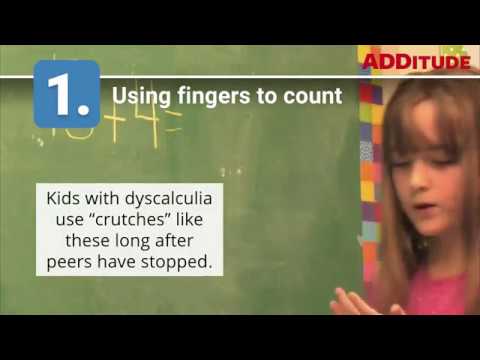
Dyscalculia, which is sometimes linked to ADHD, brings its own set of hurdles. It’s like having a specific learning disability that makes understanding numbers and performing calculations hard. Kids with dyscalculia might find it difficult to:
- Understand concepts like greater than or less than
- Remember simple math facts (like multiplication tables)
- Follow the sequence in multi-step problems
- Estimate quantities (like guessing how many candies are in a jar)
This means that even basic tasks—like adding up scores on a game—can become frustratingly complicated. For instance, have you ever played Uno? Keeping track of points or knowing who won can be overwhelming if math isn’t your strong suit.
Strategies for success can help make things easier! Here are some ideas that could be useful:
- Visual aids: Using charts and graphs can help visualize numbers and relationships.
- Hands-on activities: Using blocks or counters can make adding and subtracting more tangible.
- Bite-sized learning: Breaking problems into smaller steps allows for manageable chunks instead of overwhelming tasks.
- No pressure environment: Creating a relaxed space without distractions helps keep focus on the task at hand.
You know what? Games can also play a part in making math fun! Simple board games that involve counting or strategy encourage skills without feeling too much like schoolwork. Think about something as simple as Monopoly; keeping track of money and property becomes less daunting when it’s mixed in with gameplay!
If you’re supporting someone dealing with these challenges, being patient is key. Celebrate small wins—every bit counts! But remember, the scenario varies greatly from person to person, so finding what works best may take some time.
This info isn’t meant to replace professional guidance because getting tailored help is really important for anyone struggling academically. Schools often provide resources to assist students facing these challenges directly. And that’s definitely something worth exploring!
The journey through mathematics for those with ADHD and dyscalculia might not be easy, but there are ways to navigate this complex maze together! So hang in there; every step forward is progress!
Unlocking the Potential of ADHD Math Geniuses: Understanding Strengths and Strategies
So, let’s talk about ADHD and math. You know how some folks just seem to “get” numbers? Well, for others, especially those with ADHD, it can be a bit of a rollercoaster ride. But it’s not all bad news! Understanding the strengths and challenges can really help someone find their way through the math maze.
First off, let’s break down some of the key traits associated with ADHD. It often comes with bursts of creativity and an ability to think outside the box. So yeah, you might have seen that kid in class who could dream up a wild solution to a problem while others were stuck on page one. This flair for creative thinking can sometimes lead to incredible insights in math!
- Strengths: Many kids and adults with ADHD are quick thinkers. They can absorb information rapidly when they’re genuinely interested. Seriously! If they connect math to something they love—like sports stats or even video game scores—they might excel.
- Challenges: However, focusing on long equations or standard methods? That can feel like pushing a boulder uphill! Distractions are everywhere; whether it’s a buzzing phone or a lively classroom setting, these can throw them off track.
An example from my life: I once knew a kid named Jake who loved basketball. He couldn’t care less about regular math lessons but could calculate player stats faster than anyone else. It clicked for him because he was passionate about it! That’s what makes these strengths so valuable—finding ways to tap into what interests them.
Now, let’s also shine some light on dyscalculia, which is basically like having ADHD’s annoying little brother when it comes to numbers. For those with both dyscalculia and ADHD, navigating math challenges is like trying to solve a puzzle without half the pieces.
- Simplification: Breaking down complex problems into bite-sized parts is crucial. Instead of tackling that huge equation all at once, try smaller steps.
- Visual aids: Sometimes diagrams or colors make things easier to digest. Think of using colorful blocks or drawings whenever possible!
A great strategy? Try incorporating games that involve math but don’t feel like traditional learning! Games like “Math Bingo” or apps designed for arithmetic practice can turn frustration into fun—and hey, isn’t that what we want?
If you or someone you know is dealing with these challenges, remember: there are tons of resources out there! You don’t have to face this alone. Connecting with educators who understand ADHD and dyscalculia can provide personalized strategies tailored for success in math.
At the end of the day, knowing where your strengths lie is essential when managing ADHD in relation to numbers. Remember that while it might take more effort sometimes to conquer mathematical challenges, you’ve got creativity on your side which is no small thing!
This isn’t professional advice—just friendly info—but I truly hope this helps uncover some potential hidden gems in those number-crunching journeys!
Identifying Dyscalculia: Key Symptoms and Their Psychological Implications
Dyscalculia is often described as a learning disability that makes it tricky to grasp numbers and mathematical concepts. If you’ve ever struggled with basic math or felt lost when trying to balance your checkbook, you might be looking at more than just a bad day. For some, this can be a sign of dyscalculia.
Key symptoms to watch for include:
- Difficulty with number sense: This means having trouble understanding what numbers really represent. If someone can’t tell the difference between 5 and 50, that’s a red flag.
- Poor spatial awareness: Imagine trying to fit pieces of a puzzle together but not being able to visualize how they connect. That’s how it feels for those with dyscalculia when dealing with shapes or directions.
- Struggle with memory for math facts: Some people find it hard to memorize simple equations like 2+2=4, which can make larger problems feel overwhelming.
- Trouble with time and money: Managing time and handling cash can become confusing. Picture checking your watch and realizing you can’t remember how many hours until an event!
Now, if you’re thinking that these symptoms sound familiar, don’t panic! Many people face similar challenges without being diagnosed. The emotional weight of struggling in math class can lead to anxiety and low self-esteem.
The connection between dyscalculia and ADHD is particularly interesting. Many individuals who have ADHD may also experience dyscalculia symptoms. Imagine trying to focus on math while your mind jumps around like a squirrel on caffeine! It’s no wonder they struggle more.
But how do these challenges impact daily life? Think about this: if you can’t calculate tips at a restaurant or feel anxious navigating grocery store prices, even simple tasks become hurdles.
One effective way folks try to cope is through games that make numbers fun! For instance, games like “Math Bingo” turn number recognition into an entertaining challenge rather than a chore.
Ultimately, identifying dyscalculia early gives individuals the best chance at developing strategies for overcoming these obstacles. Whether that’s working with tutors who specialize in learning disabilities or using apps designed specifically for practicing math skills, every little bit helps.
Whatever the case may be, if you feel your difficulties are affecting your life significantly, reaching out for professional help really matters. It’s totally okay to seek guidance from specialists who understand these challenges deeply! Just remember: everyone has their own unique strengths and weaknesses; it’s all part of being human!
You know, math can be a real puzzle sometimes. But for some people, it’s more like a giant maze, especially if they’re dealing with dyscalculia and ADHD. Imagine trying to focus on numbers that just don’t make sense while your brain feels like it’s going a hundred miles an hour. That can be tough.
I remember when my friend Alex was in school. He always struggled with math but excelled in creative subjects like art and music. It was confusing for everyone, including him. One day, during a math test, he just froze up, staring at the paper as if it were written in some alien language. He got frustrated and gave up before the time was up. Later on, we found out he had dyscalculia — which is basically like having a learning difference that makes understanding and working with numbers really challenging.
Now add ADHD into the mix, and you’ve got a double whammy! ADHD can make it hard to concentrate or keep your thoughts from jumping all over the place. It’s not that Alex didn’t want to understand; his mind was simply racing off to think about everything else — sports games coming up or what music he wanted to play later that day.
When you have both dyscalculia and ADHD working together? Well, it’s like trying to navigate through foggy weather while riding a bike uphill — exhausting! People might not see what’s happening behind the scenes as they struggle with things like basic calculations or telling time because their brains are wired differently.
So what do you do? First off, understanding that these challenges aren’t about intelligence is key—there’s nothing wrong with Alex’s brain; it’s just wired uniquely! Finding strategies to tackle those math problems together can make all the difference.
For example, using visual aids can help make abstract concepts more concrete — think graphs or colorful blocks instead of just numbers on paper. And hey! Breaking tasks down into manageable chunks? Seriously helpful too! Just tackling one piece at a time takes off some pressure.
In the end, it’s all about finding what works best for each individual and calming that whirlwind inside their heads. Those moments of victory when complexities click into place? Totally worth it! Life’s too short not to celebrate those small wins along the way. So yeah, navigating math challenges while juggling dyscalculia and ADHD might feel daunting sometimes, but there are ways through that fog—connecting in ways that resonate with who you really are can lead you somewhere brighter.


