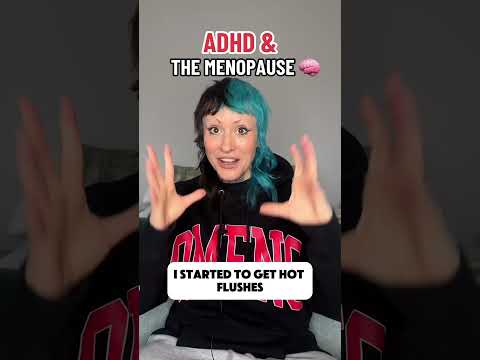
Hey you! Let’s talk about something that doesn’t always get the spotlight it deserves. ADHD and menopause. Yeah, I know, kinda unexpected, right?
Este blog ofrece contenido únicamente con fines informativos, educativos y de reflexión. La información publicada no constituye consejo médico, psicológico ni psiquiátrico, y no sustituye la evaluación, el diagnóstico, el tratamiento ni la orientación individual de un profesional debidamente acreditado. Si crees que puedes estar atravesando un problema psicológico o de salud, consulta cuanto antes con un profesional certificado antes de tomar cualquier decisión importante sobre tu bienestar. No te automediques ni inicies, suspendas o modifiques medicamentos, terapias o tratamientos por tu cuenta. Aunque intentamos que la información sea útil y precisa, no garantizamos que esté completa, actualizada o que sea adecuada. El uso de este contenido es bajo tu propia responsabilidad y su lectura no crea una relación profesional, clínica ni terapéutica con el autor o con este sitio web.
But believe me, it’s a combo that can throw a curveball at your life. Seriously! Think about it: hormonal changes hitting you when your brain’s already running a bit on the chaotic side.
Imagine juggling hot flashes while trying to focus on things… yikes! It can feel overwhelming.
So grab your favorite drink and settle in because we’re diving into these unique challenges together. Let’s figure this out!
Understanding the Connection Between ADHD Symptoms and Menopause: Factors that Contribute to Worsening Conditions
So, let’s chat a little about ADHD and menopause. It’s really interesting how these two can interact, creating some unique challenges for women. You might be wondering how this all connects and what factors play a role in making ADHD symptoms worse during menopause, right? Let’s break it down.
First off, ADHD, or Attention-Deficit/Hyperactivity Disorder, isn’t just a childhood thing. Many adults deal with it too! Symptoms can include trouble focusing, forgetfulness, and impulsivity. Now, when menopause kicks in—typically around your late 40s to early 50s—you’ve got another set of symptoms that can stir the pot. Hot flashes, mood swings, and sleep disruptions can really add to the challenge.
Here are a few key factors that help explain why ADHD symptoms might get worse during this time:
- Hormonal Changes: The drop in estrogen levels during menopause can affect mood regulation and cognitive function. If you have ADHD, you might find it harder to concentrate or manage your emotions.
- Sleepless Nights: Hot flashes and discomfort can lead to disrupted sleep. Less sleep? That can make ADHD symptoms feel even more pronounced. It’s like trying to play a video game on low battery—nothing works quite right!
- Increased Stress: The transition of menopause itself is often stressful emotionally and physically. Stress is like pouring gasoline on the fire of ADHD; it intensifies everything.
- Cognitive Changes: Some women report “brain fog” during menopause. This feeling of being scattered or forgetful can hit hard if you already struggle with attention issues.
Anecdotally speaking—it reminds me of when my friend Sarah was juggling her job and family while going through menopause. She was already managing her ADHD symptoms but suddenly felt overwhelmed by everything. Remembering appointments became tough as memory lapses kicked up; she’d often forget where she put her keys (we all know that struggle!). It was like playing a level in a game where the rules keep changing without any warning!
This isn’t just personal experience; studies show that many women notice their ADHD symptoms worsening during menopause due to these factors mentioned above. If you’re feeling this way too, you’re definitely not alone!
The important thing here? If you’re experiencing these challenges, it’s key to reach out for support from healthcare professionals who understand both ADHD and endocrinology. They can give you strategies tailored to your unique situation.
No one should go through this alone! Support groups or therapy could be immensely helpful—it’s all about finding what works best for you as you navigate these waters together with your healthcare team.
All in all, understanding how these two aspects intertwine allows us better manage our emotional rollercoaster ride during this transition phase. So be kind to yourself; there’s light at the end of this tunnel!
You know, when you think about ADHD and menopause, it’s like two worlds colliding. I mean, both can throw you off balance in their own way, right? Imagine facing the challenges of ADHD – that whirlwind of thoughts, impulsivity, and the struggle to focus – while also dealing with menopause. It’s a lot to juggle.
I remember a friend of mine talking about how she felt completely overwhelmed when menopause hit. She’d always had ADHD but found that the symptoms felt magnified during this time. Like that brain fog? It was just way worse! She said it was as if she was trying to find her car keys in a blizzard; everything felt lost and chaotic. And let’s be honest; adding hot flashes and mood swings into the mix? That’s like tossing in a wild card you never signed up for.
So here’s the thing: both ADHD and menopause can really mess with your concentration, emotional stability, and overall well-being. The hormonal changes from menopause can amplify those ADHD symptoms too. So if you’re already struggling with focus or organization due to ADHD, now you’ve got this whole new layer of complexity that makes everything feel harder.
Navigating through this isn’t easy. You might find yourself feeling more anxious or moody than usual, which is tough because anxiety doesn’t pair well with attentional challenges. It’s almost like you’re stuck on a merry-go-round you can’t get off from! And let me tell you – having someone who gets it can make all the difference.
Talking to others who’ve been there or seeking out supportive communities can help normalize what you’re experiencing. Those connections remind us we’re not alone in this weird double whammy! Plus, finding coping strategies tailored for both issues is key—like mindfulness practices or organizing your space better to help ease some of that mental clutter.
At the end of day though, it’s all about being kind to yourself while navigating these challenges together. It’s okay to have hard days; we all do! So take a deep breath and remember you’re doing your best amidst all this craziness!


