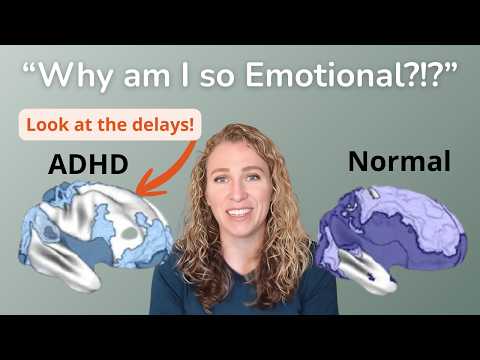
Hey you! Let’s chat about something super interesting—empaths and ADHD. I mean, if you’re an empath, life can feel like a wild rollercoaster ride sometimes, right?
Este blog ofrece contenido únicamente con fines informativos, educativos y de reflexión. La información publicada no constituye consejo médico, psicológico ni psiquiátrico, y no sustituye la evaluación, el diagnóstico, el tratamiento ni la orientación individual de un profesional debidamente acreditado. Si crees que puedes estar atravesando un problema psicológico o de salud, consulta cuanto antes con un profesional certificado antes de tomar cualquier decisión importante sobre tu bienestar. No te automediques ni inicies, suspendas o modifiques medicamentos, terapias o tratamientos por tu cuenta. Aunque intentamos que la información sea útil y precisa, no garantizamos que esté completa, actualizada o que sea adecuada. El uso de este contenido es bajo tu propia responsabilidad y su lectura no crea una relación profesional, clínica ni terapéutica con el autor o con este sitio web.
It’s like you’re this emotional sponge, soaking up everything around you. But throw in ADHD? Wow, that’s a whole other ball game. Sensitivity and focus challenges can feel like a juggling act.
So what do you do when your feelings are on overdrive, but your attention seems to take frequent detours? You’re not alone in this! Seriously, many people are figuring out how to balance these two worlds every day.
Let’s dig into it!
Effective Strategies to Build Resilience for Empaths
Building resilience as an empath can feel like navigating a tricky maze, especially when you throw ADHD into the mix. You might often find yourself absorbing emotions from others like a sponge. And if you’re also trying to concentrate on tasks at hand? Well, that can be a whole different level of chaos. Let’s dive into some effective strategies that can help you strengthen your resilience while managing sensitivity and focus.
- Mindfulness Practices: Engaging in mindfulness exercises can work wonders. It’s all about grounding yourself in the moment, whether through meditation or simple breathing techniques. For instance, try closing your eyes for five minutes and focusing on your breath. Imagine each inhalation filling you with calmness and every exhalation releasing tension.
- Setting Boundaries: This is crucial! It’s okay to say no sometimes or step back from emotionally draining situations. Picture this: you’re at a party, and someone’s sharing their heavy problems while you’re just trying to enjoy the vibe. Politely excuse yourself or shift the topic—it really is fine to prioritize your well-being.
- Finding Your Reset Button: Having activities that help reset your energy is essential. Think of it as hitting “refresh” on your computer when it freezes up! Maybe it’s going for a walk in nature, doodling, or playing video games that let you escape for a bit—whatever works best for you.
- Utilizing Organizational Tools: For those with ADHD, structure is key! Use planners or apps to keep track of tasks and deadlines. Visual cues like color-coding can help keep things organized and less overwhelming. Seriously, color-coded sticky notes can brighten up even the dullest task!
- Cultivating Supportive Relationships: Surround yourself with people who get you—those who respect your sensitivity but also know how to encourage focus when needed. These relationships act like your emotional safety net, helping cushion those inevitable falls.
You know what? Sometimes it just takes a little effort to celebrate small victories along the way too! Maybe today you managed not to soak up someone else’s stress; give yourself credit for that! Each little win builds confidence and resilience.
The thing is, being an empath with ADHD doesn’t mean you’re doomed to struggle forever—you have tools at your disposal! And remember: while these strategies are pretty solid, they don’t replace professional help if you’re feeling overwhelmed.
If things get tough beyond what you’ve tried here, don’t hesitate to reach out to someone who knows their stuff—a therapist could really guide you through specific challenges tailored just for you!
Understanding ADHD in Adults: Exploring the Connection to Empathy Deficits
So, let’s talk about ADHD in adults and how it sometimes connects to empathy deficits. You might find it fascinating that many adults with ADHD struggle not only with focus but also with reading the emotional cues of others. It’s like their brains are constantly running on a different channel, you know?
ADHD, or Attention Deficit Hyperactivity Disorder, doesn’t just stop at being forgetful or easily distracted. Trust me, it’s a lot more complex than that. For some adults, the symptoms can include:
- Inattention: Losing track of conversations or missing important details in social situations.
- Impulsivity: Saying things without thinking them through, which can hurt someone’s feelings.
- Hyperactivity: Restlessness that makes it hard to stay engaged in deeper emotional discussions.
You see, when you have ADHD, your brain is like a web browser with too many tabs open. One minute you’re trying to listen to a friend vent about their bad day; the next minute, your mind is wandering off to what you’re having for dinner! This inability to stay fully present can make empathizing challenging.
I remember chatting with my buddy Jake, who has ADHD. He told me he often feels overwhelmed during conversations because he notices everything happening around him—the clock ticking, the sound of people laughing nearby—all while trying to connect with his friends emotionally. It’s tough!
This brings us to empathy deficits—a little less straightforward but super interesting. Some research suggests adults with ADHD might have trouble placing themselves in someone else’s shoes not because they lack care but simply because their brains process emotions differently.
- Cognitive Empathy: This is about understanding someone else’s perspective. Adults with ADHD may struggle here due to distraction and impulsivity.
- Affective Empathy: This involves physically feeling what another person goes through—like joy or sadness. Some people with ADHD report being extremely sensitive and feeling emotions strongly but may not always express them well.
The disconnect can feel frustrating both for those living with ADHD and for their friends and family who may not understand why this happens! Like playing a video game where your character just won’t follow your commands; it’s like they want to help but keep missing the point!
This sensitivity can also lead some adults with ADHD to feel overwhelmed by others’ emotions—like being hit by a tsunami of feelings when they walk into a room filled with other people. Think about it: if you’re already struggling to focus on your own thoughts and then get bombarded by everyone else’s vibes? Total chaos.
If you or someone you know has been navigating this journey—don’t sweat it! There are ways to work on empathy skills even if that initial connection feels tricky. Just talking things through helps! You could even have conversations using role-play scenarios—think of it as practicing for an emotional game level!
But seriously, if you’re feeling really lost about any of this—or dealing with severe challenges—it’s always cool to reach out for professional help from someone who knows what they’re doing!
So there you go—a pretty compact look at how ADHD intertwines with empathy deficits in adults! I hope this made sense and maybe shone a little light on something that’s often misunderstood!
Understanding the Connection Between ADHD and High Levels of Empathy
Alright, so let’s talk about ADHD and empathy. On the surface, it might seem like these two things don’t really connect. Someone with ADHD may struggle with focus, while empathy involves tuning into others’ feelings. But there’s more to the story, you know?
People with ADHD often experience heightened emotions and sensitivities. This can lead to a strong sense of empathy. You might find yourself easily picking up on others’ moods or feeling their pain like it’s your own. It’s really something! So let’s break down what this means.
- Sensitivity to Emotions: Individuals with ADHD often have a sensitive emotional response. This can make them more aware of how others feel, which is a big part of being empathetic.
- Emotional Overload: Sometimes this sensitivity can feel overwhelming. Imagine you’re in a crowded room and everyone’s buzzing with different vibes. It can be hard to manage, right?
- Difficulties in Focus: While you’re feeling all this empathy, focusing on tasks can become tricky. You may drift off while trying to concentrate because your brain is busy processing other people’s feelings.
- The Hyperfocus Factor: On the flip side, you might also experience hyperfocus—a state where you zero in on something intensely! This can happen when you’re really connecting or empathizing with someone, leading to deep conversations.
Let’s say your friend just got dumped: their sadness hits you hard. You might find yourself daydreaming about how they feel for hours, even after the conversation ends. That’s the empathy kicking in! But later on, when you need to study for an exam or finish work? You realize you’ve been too emotional and forgot about your own obligations.
This isn’t just about being soft-hearted; it can have real consequences too! Some researchers suggest that people with ADHD might feel compelled to help others more than those without the condition because they understand suffering deeply.
If you’ve ever played a game where you had to strategize but also consider other players’ emotions—like a cooperative board game—you get a taste of this balance between focus and empathy. It’s not always easy; sometimes it’s like trying to juggle flaming torches while blindfolded!
You know what? Even though having both ADHD and high levels of empathy sounds intense—that’s because it is! It’s essential for individuals juggling these traits to find ways to manage their energy levels and ensure they’re taking care of themselves while still being there for others.
In case you’re feeling overwhelmed by all this emotional juggling act—and seriously, who wouldn’t?—it might help to talk things out with someone who understands or even seek out some professional advice. Remember though: I’m not here as a therapist but as a friend sharing insights!
So here’s the deal: ADHD doesn’t negate empathy; rather it can amplify that gift in many ways—sometimes beautifully complex ways! Just remember that compassion towards yourself is key as well!
You know, being an empath is like walking through life with your heart on your sleeve. It’s all about feeling what others feel, right? But when you toss ADHD into the mix, things can get a bit tricky. Seriously, it’s like trying to juggle while riding a unicycle—interesting but definitely not easy.
Take my friend Lucy, for instance. She’s the kind of person who picks up on everyone’s emotions in a room. If someone’s upset at a party, she feels that heaviness in her chest. But Lucy also has ADHD, which means her mind often zips around like it’s on a rollercoaster. One minute she’s deeply engaged in a conversation about someone’s bad day; the next she’s off pondering what to have for dinner three weeks from now! That constant shift can be exhausting.
I mean, it makes sense they’re often connected; both traits involve heightened sensitivity. Sometimes empathy can turn into sensory overload when you’re hyper-aware of everything around you. You might find yourself drowning in emotions that aren’t even yours—like standing knee-deep in someone else’s emotional ocean while trying to stay afloat yourself!
This combo can lead to some major focus challenges too. Picture this: you’re trying to finish an important project at work but the buzzing fluorescent light above you feels like it’s causing an earthquake inside your head. And then there’s that one coworker who decides that now’s the time for deep conversations about their week! Keeping concentration alive in such situations feels almost impossible.
But there are bright sides! Embracing both your sensitivity and your vibrant mind can spark creativity and understanding that others might miss out on. Think about how many brilliant ideas come from feeling deeply and thinking outside the box! You might find unique solutions because you see things differently from most folks.
What really helps is finding balance—a little self-care goes a long way here. Maybe it means setting clear boundaries with people or carving out quiet time where you can just breathe and recharge. Or maybe it’s creating super-fun routines that help keep your focus intact while still letting those emotions flow.
So yeah, navigating life as an empath with ADHD is challenging, but it’s also richly rewarding in its own way! You’ve got this incredible ability to connect with people deeply while dancing through life with an imaginative flair. I guess ultimately it comes down to embracing who you are and learning how to ride those waves without getting overwhelmed by them!