You know those days when you just feel wiped out? Seriously, like you’ve run a marathon but all you did was binge-watch that new show? Yeah, that’s the struggle.
Este blog ofrece contenido únicamente con fines informativos, educativos y de reflexión. La información publicada no constituye consejo médico, psicológico ni psiquiátrico, y no sustituye la evaluación, el diagnóstico, el tratamiento ni la orientación individual de un profesional debidamente acreditado. Si crees que puedes estar atravesando un problema psicológico o de salud, consulta cuanto antes con un profesional certificado antes de tomar cualquier decisión importante sobre tu bienestar. No te automediques ni inicies, suspendas o modifiques medicamentos, terapias o tratamientos por tu cuenta. Aunque intentamos que la información sea útil y precisa, no garantizamos que esté completa, actualizada o que sea adecuada. El uso de este contenido es bajo tu propia responsabilidad y su lectura no crea una relación profesional, clínica ni terapéutica con el autor o con este sitio web.
Well, there’s this thing called NSDR meditation. It’s kinda like hitting a reset button for your brain and body. How cool is that?
It’s all about finding that sweet spot between rest and awareness. Imagine feeling refreshed without needing to take a nap!
Let me tell you—it’s not just for the pros or yogis in fancy pants. You can totally do this, no matter who you are. So, let’s unravel this little gem together, shall we?
Optimal Duration for NSDR Sessions: Guidelines for Effective Practice
So, the whole NSDR thing? It stands for Non-Sleep Deep Rest, and it’s like a quick recharge for your brain and body. Imagine a video game where you hit pause for a breather instead of shutting it down completely. Pretty cool, right?
Duration Matters. Finding the right length of time to spend on NSDR is important if you want to get the best results. Generally, sessions can range from 10 minutes to about an hour. But here’s the kicker: it really depends on your personal needs and what you’re looking to achieve.
- Short Sessions (10-20 minutes): These shorter bursts are great if you need a quick reset during your day. Think of it as a power nap without actually sleeping. Maybe after lunch when you’re starting to feel sluggish? Just take a few minutes to focus on your breath or listen to calming sounds.
- Medium Sessions (20-40 minutes): This length works well if you want something more restorative but still manageable within your busy schedule. It’s kinda like that sweet spot in a game where you’re leveling up just enough without grinding too hard.
- Longer Sessions (40-60 minutes): If you’ve got some time and want to really dive deep into relaxation, this is your jam. You can explore deeper mental states and tap into some serious calm. Perfect for days when stress levels are off the charts.
But hey, let’s talk about what happens during these sessions! Your brain transitions from that busy state (you know, like trying to multitask in Fortnite) to something quieter and more focused. You’ll notice reduced anxiety, enhanced creativity, and improved mood—basically all good stuff.
Now, here’s another thing: experimenting is key. Everyone’s different! Maybe you find that 15-minute sessions work best before work or 30 minutes at night helps you wind down better. The trick is listening to yourself; after all, not every level in a game requires the same strategy.
Also important? Don’t forget that NSDR isn’t a substitute for professional help if you’re dealing with serious issues like anxiety or depression. Instead, think of it as part of your toolkit—like an extra life in Mario Kart that gives you an edge when things get tough.
Finally, consistency counts! Just like practicing your favorite game moves over and over builds skill, regular NSDR practice can turn those moments of rest into powerful tools for daily resilience.
So there you have it! Keep experimenting with session durations until you find what feels right for you because everyone deserves those moments of peaceful awareness—even amidst life’s chaos!
Dr. Andrew Huberman’s 10-Minute Non-Sleep Deep Rest (NSDR) Technique for Enhanced Focus and Recovery
The NSDR technique, developed by Dr. Andrew Huberman, has been shaking things up in the wellness world lately. Basically, it’s a simple way to recharge your brain and body without having to take a full-on nap. This might sound too good to be true, but it’s all about using specific relaxation techniques that can seriously boost your focus and recovery.
So, what is Non-Sleep Deep Rest (NSDR)? It’s a practice where you engage in deep relaxation to help your mind reset while still being awake. You might think of it like hitting the pause button in a video game. Just as you collect your thoughts before tackling the next level, NSDR helps you clear mental clutter before moving on with your day.
Here’s how it works:
- Relaxation Position: You can lie down comfortably or sit up straight—whatever feels right for you. The key is to find a position where you won’t be disturbed.
- Focus on Breathing: Start paying attention to your breath. Inhale deeply through your nose and exhale out through your mouth. This helps calm the mind.
- Body Scan: Visualize each part of your body relaxing from head to toe. Seriously! Spend a moment feeling into those areas; it can help release tension.
- Mental Imagery: Imagine peaceful scenes or moments that make you happy—like chilling on the beach or that time you won an intense game with friends!
Now, this might seem really simple, but there’s science behind why this works! When you practice NSDR regularly, you’re essentially retraining your brain to manage stress better. According to Dr. Huberman’s research, engaging in this kind of meditation can even enhance cognitive function actively for hours afterward.
For instance, think back to that stressful week at work when deadlines are piling up like laundry! Instead of powering through with jittery coffee breaks or scrolling endlessly on social media, taking ten minutes for NSDR can sharpen focus and bring back that sense of calm.
The benefits?
- Improved Focus: Just like sharpening an arrow before shooting it at a target!
- Easier Recovery: Helps reduce fatigue and burnout.
- Mood Boosting: Makes everything feel less overwhelming—kinda like leveling up in life!
And let’s not forget: while NSDR is great for enhancing daily life and recovery, it’s not here to replace professional health advice or treatment if you’re dealing with severe stress or anxiety issues. It should be seen more as an excellent supplement—like adding extra cheese on pizza—for overall well-being.
Incorporating this into your daily routine could really be a game-changer! All it takes is setting aside those ten precious minutes amidst the chaos of life. You’ll likely find yourself feeling rejuvenated and ready to tackle whatever comes next!
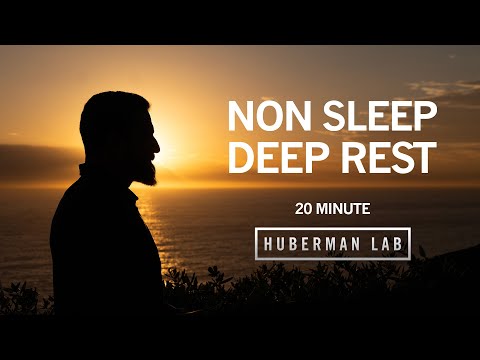
Dr. Andrew Huberman’s 20-Minute Non-Sleep Deep Rest (NSDR) Technique for Enhanced Mental Clarity and Recovery
So, let’s talk about something pretty cool that’s been buzzing in the wellness community lately: Dr. Andrew Huberman’s 20-Minute Non-Sleep Deep Rest (NSDR) technique. This method is all about getting your brain into a state where it can recharge, without actually falling asleep. And it’s not just for meditation aficionados; anyone can give it a shot!
You know how after a long day, you might feel mentally fried but still jittery? NSDR is designed to help clear that fog and improve mental clarity. Here’s the thing: while traditional sleep is vital for recovery, this technique offers an alternative way to rejuvenate your brain.
So, what’s the magic behind NSDR? It’s based on calming your nervous system and entering a state of restful awareness. Essentially, you’re tricking your brain into thinking it’s getting some deep Z’s without actually going under! Here are some key components:
- Breathing Exercises: Focused and slow breathing helps lower your heart rate and calm your mind.
- Guided Imagery: Picture yourself in a peaceful place. Imagine the sounds and colors. This creates a mental escape.
- Body Awareness: Paying attention to how each part of your body feels can help release tension.
The overall goal? Just like hitting pause on your favorite game when you need a breather—you’re giving yourself time to reset! Maybe remember that moment in “The Legend of Zelda” when you pause to think through your next move? That’s kind of what NSDR does for your brain.
You’d typically want to find a quiet spot where interruptions are minimal—like curling up in a cozy blanket fort or finding that perfect spot on the couch while binge-watching something. Make it comfy! And don’t worry; you don’t have to be an expert meditator; just try to take some time out of your day.
If you’re using NSDR effectively, you should feel more refreshed after those 20 minutes. In fact, many people report improved focus and creativity afterward—as if they’ve unlocked some hidden levels in their minds!
This approach isn’t meant to replace actual sleep or professional help if you’re struggling with severe fatigue or anxiety issues, though. If you’re noticing that you’re always feeling drained or overwhelmed, reaching out for professional advice can make all the difference.
All things considered, trying out Dr. Huberman’s NSDR could provide you with little pockets of relaxation throughout busy days—think of it as giving your brain a well-deserved coffee break (minus the caffeine!). So why not give it a go?
You know how life can sometimes feel like a whirlwind? There’s always something going on, right? We rush from one thing to the next, our minds buzzing with thoughts. Well, that’s where NSDR meditation comes in. It stands for Non-Sleep Deep Rest, and it’s basically about finding those moments of calm amidst the chaos.
So picture this: It was a hectic day at work, and my mind was racing with all the things I needed to do. I decided to take a 20-minute break and give NSDR a shot. I found a quiet spot, closed my eyes, and just focused on my breathing. At first, my thoughts were all over the place—didn’t I need to reply to that email or finish that report? But slowly, something magical happened. My body relaxed, my racing mind slowed down. It felt like floating between sleep and wakefulness.
Now here’s the interesting bit—NSDR isn’t about snoozing away your day; it’s more like recharging your battery without falling asleep completely. You’re aware of your surroundings but fully at peace within yourself. Some people call it «restful awareness,» which sounds fancy but really just means you’re chilling out while still being present.
The cool thing about this practice is that it doesn’t require special equipment or hours of your time. You can do it anywhere! Want to sneak in a moment of calm during your lunch break? Perfect! Or maybe right before bed? Heck yeah!
And the science behind it is pretty neat too. It taps into our body’s natural ability to rest deeply even when we’re awake. Think about how kids can just zone out on the couch for five minutes and come back refreshed—NSDR lets us tap into that same vibe as adults.
All in all, if you’re feeling overwhelmed or just need a little mental reset during your day, giving NSDR meditation a try could be worth it! You might find yourself feeling more aware and less stressed—kind of like refreshing an old computer that started acting slow.
So next time you feel overwhelmed by life’s hustle and bustle, remember there’s this simple tool out there waiting for you: pause for a moment, breathe deep, let those thoughts drift away… You might just be surprised by how rejuvenating it can be!