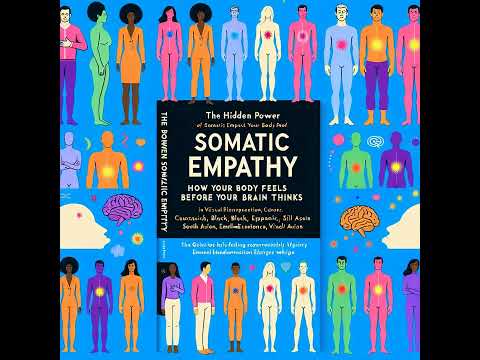
Hey, have you ever noticed how our bodies can tell us things our minds just can’t? Like, when you see someone in pain, and your stomach tightens or your heart races. That’s what somatic empathy is all about!
Este blog ofrece contenido únicamente con fines informativos, educativos y de reflexión. La información publicada no constituye consejo médico, psicológico ni psiquiátrico, y no sustituye la evaluación, el diagnóstico, el tratamiento ni la orientación individual de un profesional debidamente acreditado. Si crees que puedes estar atravesando un problema psicológico o de salud, consulta cuanto antes con un profesional certificado antes de tomar cualquier decisión importante sobre tu bienestar. No te automediques ni inicies, suspendas o modifiques medicamentos, terapias o tratamientos por tu cuenta. Aunque intentamos que la información sea útil y precisa, no garantizamos que esté completa, actualizada o que sea adecuada. El uso de este contenido es bajo tu propia responsabilidad y su lectura no crea una relación profesional, clínica ni terapéutica con el autor o con este sitio web.
It’s that cool connection we have with each other when we tune into those physical sensations. You know what I mean? The way your body reacts to someone else’s emotions can be pretty powerful.
So, let’s talk about this whole idea of body awareness and how it helps us connect with others. It’s like having a secret language that doesn’t need words, right? You don’t have to be a guru or anything; just being aware of yourself and others can change the game.
Stick around while we explore this fascinating blend of mind and body. Trust me, it’s going to be eye-opening!
Understanding Somatic Empathy: Connecting Through Body Awareness and Its Significance
Somatic empathy is this cool concept that’s all about connecting with others through our body awareness. It’s like tuning into the signals your body gives off when you’re interacting with someone else. You know how sometimes you can just feel a person’s energy or emotions? That’s basically what somatic empathy is all about.
When we talk about somatic empathy, it’s not just a mental thing—it’s physical, too. You become aware of your own bodily sensations and feelings while also picking up on what others are experiencing. Imagine you’re having a conversation with a friend who’s really sad. You might notice your own chest tightening or feel an ache in your stomach, right? That’s your body reacting and trying to connect with their emotional state.
- Body Awareness: This term refers to being conscious of your own physical sensations.
- Emotional Connection: It involves understanding another person’s feelings almost instinctively.
- Feedback Loop: Your body’s reactions can create a dialogue between you and the other person.
Let me share a little story here. A friend of mine, Rachel, once had an intense conversation with her sister who was going through a rough break-up. As Rachel listened, she felt this tightness in her throat and tears stung her eyes, even though she wasn’t the one crying. That emotional resonance made the conversation deeper—it was almost like they were sharing their feelings in that moment. Rachel didn’t just hear her sister’s words; she could feel them.
So why does this whole somatic empathy thing matter? Well, it can enhance our relationships. When you truly understand how someone else feels—through both words and body language—you can respond more compassionately.
- Improved Communication: Being aware of these signals helps you express support better.
- Greater Connection: It fosters closeness and trust between people.
- Diverse Perspectives: You appreciate different experiences simply by feeling them physically.
Take yoga or dance classes—they’re great ways to tap into somatic empathy! When you move your body, you’re not only getting fit but also learning to listen to its wisdom. You know? It’s like playing a game where the objective isn’t to win but to really connect with yourself and those around you.
Still, it’s crucial to remember that somatic empathy doesn’t replace professional help for emotional or psychological issues. If you’re feeling overwhelmed or struggling with mental health stuff, reaching out to professionals is absolutely key.
In a nutshell, somatic empathy ties our emotions and bodies together in such an incredible way! Being aware of ourselves can lead us into deeper connections with others—seriously meaningful interactions that enrich our lives!
Somatic Empathy: Practical Examples of Connecting Through Body Awareness
Somatic empathy is one of those terms that sounds all fancy and complex, but at its core, it’s really about how we connect with others through our bodies. It’s like tuning into someone else’s feelings by being aware of our own physical sensations. Makes sense, doesn’t it? Imagine sensing someone else’s heartache just by being present with them. Let’s break this down!
So, what is somatic empathy really? Well, it’s all about listening to the body. When you see someone in distress, your body might react before your mind even registers what’s happening. Maybe you feel a tightness in your chest or an urge to reach out to comfort them. Those sensations can help you understand their experience on a deeper level.
Here are some practical examples of how this works:
- Witnessing grief: If a friend shares that they lost someone dear to them, you might start feeling a heaviness around your heart or a lump in your throat. That’s somatic empathy kicking in! It helps you connect with their pain.
- A shared laugh: Ever notice how laughter feels contagious? When you see someone cracking up, your body’s ready to join in—lightness in the belly and maybe even tears from laughing so hard! This connection enhances social bonds.
- Sensing anxiety: When a colleague is anxious about speaking in front of others, do you ever feel jittery too? That rush of adrenaline can create an emotional link that lets you understand their nerves without saying a word.
You know what I think is really cool? Kids naturally tap into somatic empathy during play! Imagine kids playing tag; they sense each other’s excitement and fear as they dart around. One kid may feel the thrill of trying not to get caught while another senses the rush of chasing someone down. Their bodies communicate what words sometimes can’t.
This whole idea also shows up in therapy settings too. Therapists often encourage clients to pay attention to their bodily sensations while discussing emotions. It opens up new doors for understanding feelings and experiences that might be hard to articulate with words alone.
A few things to keep in mind: Somatic empathy doesn’t replace professional help if you’re struggling emotionally or mentally—it just adds another layer to understanding feelings! And not everyone feels things the same way; some people might not be super aware of bodily sensations at all!
You can practice somatic empathy yourself simply by tuning into your body while talking with others. Notice what feelings arise as conversations unfold: Is there tension in your shoulders or warmth in your chest? By acknowledging these sensations, it allows for greater understanding both for yourself and those around you.
If you’re open enough, it can transform relationships and create connections that go beyond words—you know what I’m sayin’? So give it a try next time you’re chatting with someone. Tune into those vibes!
Understanding Somatic Awareness: Enhancing Mind-Body Connection for Improved Well-Being
So, you’ve probably heard people talk about “mind-body connection” and wondered what that really means. Well, let’s break it down a bit. Somatic awareness is all about tuning into your body and understanding the sensations it’s experiencing. It’s like having this inner GPS that guides you through feelings, emotions, and even stress. When you get good at it, you can really enhance your overall well-being.
Somatic empathy takes things a step further. It’s this beautiful mix of being aware of your own body while also being sensitive to the bodies of others. Think about how you feel when your friend is sad—sometimes, it’s not just the words they say; it’s their body language too. You might feel a tightness in your chest or a heaviness in your stomach—those are signs that your body is picking up on someone else’s vibe. Pretty cool, right?
- Connecting with Yourself: When you practice somatic awareness, you start noticing things like tension in your shoulders or butterflies in your stomach when you’re anxious. This awareness can help you manage those feelings better.
- Tuning into Others: Somatic empathy allows you to connect with people on a deeper level. If someone is going through something tough, instead of just hearing their words, you might feel their pain physically through your own body.
- The Power of Movement: Activities like yoga or dance can help boost somatic awareness by getting you to focus on how your body moves and feels during those movements. You learn so much about yourself!
- Coping with Stress: Being aware of physical sensations helps reduce stress levels. When something feels off, identifying it quickly gives you a chance to address it before it spirals out of control.
You know what’s fun? Think about video games where characters react based on players’ emotions or situations! When you’re immersed in a game, the character’s physical responses can mirror what you’re feeling—heavy breathing during tense moments or excitement during victories! You connect not just mentally but also physically; it’s kinda like somatic empathy, but in digital form!
Bouncing back to real life: ever had one of those days where everything seems too much? Maybe you’ve got tightness in your jaw or that nagging headache? That’s somatic awareness knocking on the door saying, “Hey there! Check in with yourself!” By recognizing these signs and addressing them—like taking deep breaths or stretching—you can shift back toward balance.
The thing is though: while somatic awareness and empathy are super valuable tools for personal growth and connection with others, they don’t replace professional help when needed. Seriously! If you’re dealing with intense emotions or trauma, chatting with a therapist is key—they can guide you through deeper issues effectively without any pressure.
All in all, enhancing mind-body connections through somatic practices isn’t just some new-age buzzword. It’s about really becoming aware of what happens inside our bodies as we navigate life—from joy to anxiety and everything in between! So next time you’re feeling something weird inside? Pause for a moment; listen to what your body’s trying to tell ya!
Alright, so let’s chat about somatic empathy. You might be thinking, what in the world is that? I mean, we’ve all felt connected to someone before, right? But somatic empathy takes it a step further by really tuning into our bodies and how they respond to others. It’s like when you walk into a room and just feel the tension—or maybe even the love—floating around. That’s your body picking up on vibes.
Here’s where it gets interesting. Somatic empathy is all about being aware of your own physical sensations and emotions while being present for someone else’s experience. You know when a friend tells you something heavy and you feel that tight knot in your stomach? That’s your body resonating with theirs! It’s not just “oh hey, I understand you,” but more like “wow, I can literally feel what you’re going through.”
A while back, I was sitting with a close friend who was going through some tough family stuff. As she shared her feelings, I could feel this heavy weight building in my chest too—like our emotions were somehow intertwined at that moment. When she cried, it was as if my heart went out to her physically; my eyes started welling up without even realizing it. The crazy part? We weren’t just exchanging words; we were sharing that emotional space through our bodies.
So why does this matter so much? Well, think about how often we rush through conversations without really feeling them. We can get so caught up in our own heads that we forget to drop down into our bodies and connect on that deeper level. By practicing somatic empathy—like taking a second to breathe or noticing how your body reacts—you create more meaningful connections with others.
And it doesn’t have to be all serious business! Sometimes it’s as simple as laughing together or dancing in the kitchen to your favorite song—being aware of how joyful movements bring us together too! Seriously, embodying those feelings turns everyday moments into shared experiences.
In the end, whether it’s sorrow or joy, being mindful of our body’s responses helps us communicate in ways words can’t always express. So next time you’re having a deep convo or just hanging out with friends, pay attention not only to what they say but also how your body feels in response—it could change everything!