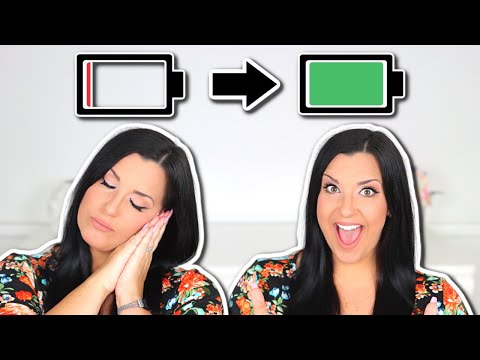
Hey, you! Let’s chat about something we all want: feeling good.
Este blog ofrece contenido únicamente con fines informativos, educativos y de reflexión. La información publicada no constituye consejo médico, psicológico ni psiquiátrico, y no sustituye la evaluación, el diagnóstico, el tratamiento ni la orientación individual de un profesional debidamente acreditado. Si crees que puedes estar atravesando un problema psicológico o de salud, consulta cuanto antes con un profesional certificado antes de tomar cualquier decisión importante sobre tu bienestar. No te automediques ni inicies, suspendas o modifiques medicamentos, terapias o tratamientos por tu cuenta. Aunque intentamos que la información sea útil y precisa, no garantizamos que esté completa, actualizada o que sea adecuada. El uso de este contenido es bajo tu propia responsabilidad y su lectura no crea una relación profesional, clínica ni terapéutica con el autor o con este sitio web.
You know, life can be a rollercoaster sometimes. There are ups and downs, right? But what if I told you there are simple things we can do to help keep us on a smoother track?
It’s all about well-being. Seriously, it’s more than just not being sick. It touches every part of our lives—mental, emotional, and even physical.
So, grab your favorite drink, get comfy, and let’s break down what it really means to be well. No fancy terms or boring theories—just real talk on how to build a healthy life that makes you happy. Sound good?
Foundations of Wellbeing: Key Principles for a Balanced Life
Hey you! Let’s talk about what makes up a balanced life, shall we? We’ve all been there, feeling out of sync or just sort of “meh.” But don’t worry. Understanding the foundations of wellbeing can help you regain your footing.
1. Self-Awareness
You know what? Being aware of your feelings, thoughts, and actions is a big deal. It’s like being the referee in your own game. You can spot when you’re offside and adjust accordingly. So take a moment each day to check in with yourself. What’s going on inside?
2. Positive Relationships
Hey, let’s be real here: no one wants to play alone. Building strong relationships is crucial for wellbeing. Think about it—when you hang out with supportive friends or family, it boosts your mood like a power-up in Mario Kart! Surrounding yourself with positive people is key.
3. Physical Health
Okay, exercise might not sound fun right now, but hear me out. Regular physical activity releases endorphins—the feel-good hormones! Even just dancing around your living room counts! You don’t need to become an Olympic athlete; just move your body in ways that feel good.
4. Mindfulness and Relaxation
Picture this: you’re playing a video game and suddenly you’re so focused that everything else disappears—time flies by! That level of focus is similar to mindfulness, which helps reduce stress and anxiety. Try taking deep breaths or spending quiet time where you focus on just being present.
5. Purpose and Goals
Having something to strive for gives life meaning. Maybe it’s pursuing a new hobby or getting better at something you love—like making the perfect cup of coffee or painting landscapes! Setting goals gives you direction and makes even mundane days exciting.
6. Growth Mindset
Ever heard of «leveling up»? Adopting a growth mindset helps you view challenges as opportunities rather than obstacles . When something doesn’t go your way, it’s not an endgame; it’s merely part of your journey.
7. Gratitude Practice
It’s easy to focus on what we lack but take a moment to appreciate what you’ve got! Practicing gratitude can shift your perspective big-time. Write down three things you’re thankful for every day—it’s like power-ups for your mind!
All these elements work together like pieces in a jigsaw puzzle to create a more balanced, healthier life.
Remember though: these principles aren’t one-size-fits-all solutions and certainly don’t replace professional help if needed! It’s about finding what resonates with *you*. Exploring these foundations might take some time but be patient with yourself because growth happens step by step.
So give it some thought—what’s one small change you can make today? Keep playing the game called life, enjoy the process—and don’t forget that balance matters!
Understanding the 4 Key Components of Wellbeing: A Practical Guide
So, let’s talk about well-being! It’s not just a buzzword thrown around in self-help books; it’s something that really matters in our lives. You know, well-being is generally seen as the combination of physical, mental, emotional, and social aspects of life. When you get these components right, you tend to feel better overall. Let’s break down these four key components together!
- Physical Well-being: This is all about taking care of your body. It includes things like regular exercise, good nutrition, and getting enough sleep. Imagine you’re playing a video game; if your character is low on health points because it hasn’t eaten or slept well, it won’t perform at its best! So don’t forget to fuel your body with healthy food and stay active.
- Mental Well-being: Now, this component focuses on how you think and process information. If you constantly stress over little things or feel overwhelmed, that’s a signal that your mental health needs some attention. Just like in puzzle games where clarity helps solve challenges faster, having a clear mind can help make decisions easier! Strategies like mindfulness or journaling can really help here.
- Emotional Well-being: This one’s about understanding and managing your emotions. Sometimes it can feel like you’re riding an emotional rollercoaster—one minute you’re up, the next you’re down. Being aware of what triggers those feelings can help you gain control over them. It’s like when you’ve got a game controller; knowing which buttons do what gives you more power over the gameplay!
- Social Well-being: Last but definitely not least is how we connect with others. Building strong relationships and feeling part of a community plays a huge role in happiness. Think of it as forming alliances in multiplayer games—having friends to support you makes challenges less daunting! So spend time with friends and family; they are crucial for emotional support.
In some ways, these four components are interconnected—you know? If one area is struggling, the others can be affected too! Imagine if your sleep schedule goes off track (that’s part of physical well-being), it could lead to mood swings (emotional) or even affect how clearly you think (mental).
But hey, don’t forget that this isn’t a one-size-fits-all situation! What works for one person might not work for another. That’s why exploring these components at your own pace matters so much.
If something feels too heavy or complicated to handle alone? Seriously consider reaching out to professionals who specialize in mental health or wellness—they’re there for a reason!
All in all, taking small steps toward improving each area can lead to big changes over time. Remember that crafting your own version of well-being isn’t just about checking boxes; it’s about creating a lifestyle that feels right for you!
Foundations of Wellbeing Login: Access Your Mental Wellness Resources Effortlessly
You know, when we talk about mental wellness and how to keep ourselves feeling good, it’s kind of like building a house. You need a solid foundation before you can decorate the rooms, right? Well-being isn’t just about feeling happy all the time; it’s about having a balance that helps you navigate life’s ups and downs.
Understanding Well-Being
Well-being encompasses more than just happiness. It includes aspects like emotional health, physical fitness, social connections, and even your environment. Think of it like a video game where each level represents different parts of your life. You want to score high in all levels for an overall win.
Key Foundations of Well-Being
- Emotional Resilience: This is your ability to bounce back from challenges. Imagine you just lost a game you really wanted to win. How do you deal with that loss? Do you sulk or do you learn from it? Resilience is like having an indestructible shield!
- Physical Health: Ever notice how after going for a run or hitting the gym, you feel great? That’s no coincidence! Exercise releases endorphins, which are like little happiness boosters in your body.
- Social Connections: Humans are social creatures; we thrive on relationships. Having friends or family around can lift your spirits significantly—kind of like having a trustworthy team in a multiplayer game.
- Mental Stimulation: Keeping your brain active through reading, puzzles, or learning something new keeps it sharp. Think of it as leveling up in knowledge!
- Purpose and Goals: Having clear goals gives us direction—like having a map in an open-world game. What’s your mission? What do you want to achieve?
Cultivating Your Well-Being Routine
Creating a routine that supports well-being is crucial. This could look different for everyone but here are some simple ideas:
- Create time for exercise—walks count!
- Meditate or practice mindfulness for even just five minutes each day.
- Nurture relationships with regular catch-ups; maybe game nights with friends?
- Explore hobbies that ignite your passion—painting, writing, music… whatever lights you up!
The Role of Resources
Accessing mental wellness resources can be incredibly helpful! Whether it’s articles online, apps that guide mindfulness practices, or community support groups. These resources act as tools to help strengthen your foundation.
But remember: while these resources are great for self-help and awareness, they aren’t substitutes for professional help if you’re really struggling with your mental health.
Your Mental Wellness Login
Having an easy way to access these resources—let’s call it «your mental wellness login»—can streamline everything! Imagine logging into an app where all these tools reside: guided meditations, journaling prompts, social connection platforms… everything categorized and ready at your fingertips.
But hey! Just make sure you’re using them wisely and not getting overwhelmed by information overload.
In wrapping this up—you’ve got this! Your journey toward well-being is unique to you. Treat it with care and intentionality because the effort will pay off in feeling balanced and fulfilled in life.
When we talk about being well, it kinda feels like we’re walking a tightrope, doesn’t it? On one side, there’s physical health – eating right, exercising, getting those zzzs. On the other side, we have mental and emotional wellness, which is just as vital. Seriously! It’s all connected, like a big ole web of life.
I remember a time when I was juggling work stress and personal life struggles. I was hitting the gym but felt drained every evening. It took me some time to realize that while my body was “being well,” my mind was kind of in chaos. That’s where it hit me: being well means more than just physical health; it’s about balance.
So, let’s break this down a bit. Think about your physical well-being first. Eating fruits and veggies is great and all (and I mean who can resist pizza?), but movement is key too! We often overlook how powerful a simple walk can be for our bodies and minds. Just 30 minutes of strolling can boost your mood like crazy – trust me on this one!
Then there are those mental health foundations. You’ve heard of mindfulness or meditation? They’re not just buzzwords; they really help. Taking a moment to breathe deeply can clear away some of the noise in your head. Picture this: You’re sitting outside under the sky, feeling the breeze on your face—that’s pure bliss, right? It’s that simple sometimes.
And let’s not forget social connections! You know how chatting with friends can lift your spirits? Well, maintaining friendships and talking through our issues is seriously crucial for our well-being. It encourages us to express ourselves rather than bottling things up.
All in all, creating a foundation for a healthy life isn’t about following strict rules or routines—it’s more like building a cozy nest where you feel safe and happy. It takes trial and error; we might fall and get back up again along the way! The goal isn’t perfection but finding what works for you personally.
In the end, being well is about listening to yourself—your needs—and taking baby steps toward creating that balanced lifestyle you crave. So go ahead; give yourself permission to explore what makes you feel good inside and out! You deserve it!