Hey you! So, let’s chat about something we all deal with—stress. Seriously, it sneaks up on us when we least expect it, right?
Este blog ofrece contenido únicamente con fines informativos, educativos y de reflexión. La información publicada no constituye consejo médico, psicológico ni psiquiátrico, y no sustituye la evaluación, el diagnóstico, el tratamiento ni la orientación individual de un profesional debidamente acreditado. Si crees que puedes estar atravesando un problema psicológico o de salud, consulta cuanto antes con un profesional certificado antes de tomar cualquier decisión importante sobre tu bienestar. No te automediques ni inicies, suspendas o modifiques medicamentos, terapias o tratamientos por tu cuenta. Aunque intentamos que la información sea útil y precisa, no garantizamos que esté completa, actualizada o que sea adecuada. El uso de este contenido es bajo tu propia responsabilidad y su lectura no crea una relación profesional, clínica ni terapéutica con el autor o con este sitio web.
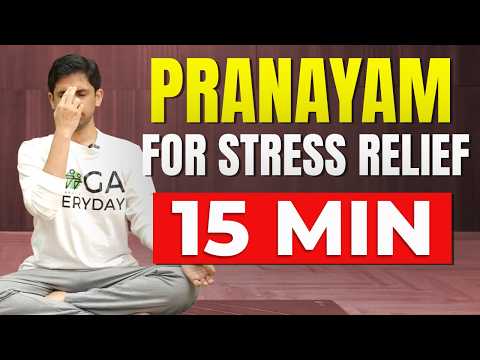
But there’s this amazing thing called pranayama. I know, sounds fancy, but it’s just a way of breathing that can really help you chill out. Picture this: you’ve had a crazy day at work, your mind is racing, and you just need to find that calm space again.
Sometimes all it takes is a few deep breaths to clear your head and ease the tension in your body. It’s like hitting the reset button!
I mean, who doesn’t want to feel a bit more relaxed and focused? Let’s dive into some simple techniques that can make a difference. Trust me; you’ll be surprised at how much power lies in your breath!
Top Pranayama Techniques for Effectively Reducing Stress
Pranayama, if you haven’t heard of it, is a form of breathing exercise from yoga that can really help chill you out. It’s great for stress relief and can even clear your mind. You know, sometimes just taking a moment to breathe can make all the difference! Let’s dig into some top techniques that might just do the trick.
- Ujjayi Breathing: This one’s often called “ocean breath” because it sounds like waves crashing when you do it. To practice, take a deep breath in through your nose, then exhale slowly through your mouth while slightly constricting your throat. It’s like fogging up a mirror with your breath but quieter and more controlled. You might find this super calming and grounding, especially when you’re feeling overwhelmed.
- Nadi Shodhana (Alternate Nostril Breathing): This technique lets you balance the right and left sides of your brain by alternating breaths through each nostril. Close your right nostril with your thumb, inhale through the left. Then switch—close the left nostril, exhale through the right. And repeat! It’s like a little workout for your lungs and can boost focus—a real game-changer when you’re stuck on a problem!
- Kapalabhati (Skull Shining Breath): Okay, this one might sound quirky! It involves quick exhales followed by passive inhales. Picture blowing out birthday candles but in bursts! You take a sharp breath out—like “ha!”—then let air flow back in without effort. It’s said to energize you—perfect for that mid-afternoon slump!
- Bhramari (Bee Breath): Here’s where it gets fun! With Bhramari, you hum like a bee while exhaling. Inhale deeply through your nose, then close your ears with your fingers as you hum out loud on the exhale. It’s oddly satisfying and quite soothing too; plus, you’ll feel kinda cool doing it!
- Box Breathing: This is super simple but effective! Inhale for four counts, hold for four counts, exhale for four counts, and hold again for four counts before starting over. Imagine you’re visualizing a box as you breathe in each side; it’s like building calmness one side at a time! So easy to do anywhere—at work or home.
Remember that breathing exercises are not substitutes for professional help if you’re facing serious anxiety or stress issues. But they can be fantastic tools in managing everyday stress levels and improving clarity.
If you’ve ever played video games where character energy is all about managing resources—like health or magic—you’ll see how pranayama works similarly with our mental energy. A good breath can recharge that mental battery!
So try these techniques at different times during the day—you might find that they bring some much-needed peace and clarity into those hectic moments we all face sometimes!
Exploring the Benefits of Breathwork for Managing POTS Symptoms
Breathwork has been getting a lot of attention lately, and for good reason! If you’re dealing with POTS (Postural Orthostatic Tachycardia Syndrome) symptoms, you might find some relief through specific breathing techniques. Seriously, it sounds simple but can be super effective.
So, what’s the deal with breathwork? Well, breathwork encompasses various techniques that help regulate your breathing patterns. This can lead to both physical and mental benefits. For people who experience POTS symptoms like dizziness or fatigue when standing up, these techniques might just give you a hand.
Let’s talk about **Pranayama breathing**, which is a form of breath control from yoga. It focuses on controlling your breath and can help calm your nervous system. But how exactly does it help with POTS symptoms? Let me break it down:
- Reduces Anxiety: Many folks with POTS experience anxiety due to their symptoms. Pranayama helps slow things down and ease that feeling.
- Improves Blood Flow: By practicing certain breathing techniques, you encourage better circulation. And we all know how important blood flow is for keeping energy levels up.
- Increases Oxygen Supply: More oxygen means your body can function better overall. It helps to combat those feelings of fatigue.
- Aids Focus: If brain fog is a problem, controlled breathing can enhance clarity and improve concentration.
Now, let me share a little story here. A friend of mine became quite overwhelmed with her POTS diagnosis. She felt trapped in her own body sometimes—getting dizzy just standing up was tough! After trying out some Pranayama techniques like **Nadi Shodhana** (alternate nostril breathing), she noticed she could handle daily tasks a bit better without feeling so wiped out. It wasn’t magic but rather a gradual improvement in how she managed stress and her energy levels.
There are also a few specific exercises that can work wonders:
- Ujjayi Breath: This technique involves creating an ocean-like sound while inhaling and exhaling through your nose. It helps focus the mind!
- Bhramari: Known as bee breath, this involves making a humming sound while exhaling which helps to calm the nervous system.
But hey, here’s the important part: while these techniques can be beneficial for managing symptoms, they’re not a substitute for professional medical advice or treatment. They’re more like *tools* in your toolbox!
In the end, incorporating breathwork into your routine could offer some relief from POTS symptoms—making those everyday challenges seem more manageable! Just remember to give yourself grace as you explore what works for you; everyone’s journey looks different!
Effective Pranayama Techniques for Managing COPD Symptoms
Pranayama is a term that might sound a little fancy but, in reality, it’s all about breathing techniques that can help with various issues, like managing symptoms of Chronic Obstructive Pulmonary Disease (COPD). You know how when you get stressed, your breathing might become shallow or rapid? Well, pranayama aims to counteract that and bring in some calmness. Let’s break it down!
Understanding COPD
COPD is a group of lung diseases that cause breathing difficulties. It can feel super frustrating. You might struggle with feeling out of breath or having tightness in your chest, right? Pranayama can be helpful here by focusing on controlled breathing patterns.
What are Pranayama Techniques?
These are specific breathing exercises designed to improve lung function and promote relaxation. They’re not just about taking deep breaths but about mastering the way you breathe. Here are some techniques you could try:
- Nadi Shodhana (Alternate Nostril Breathing): This technique involves alternating breath between nostrils. It can be really calming! Start by sitting comfortably. Close your right nostril with your thumb and inhale through the left for a count of four. Then switch and exhale through the right for a count of four. Repeat several times.
- Ujjayi Breath (Victorious Breath): Great for increasing lung capacity! Basically, you inhale deeply through your nose and then slightly constrict the back of your throat when you exhale making a soft sound like ocean waves. This not only helps you take in more air but also feels pretty meditative.
- Diaphragmatic Breathing: Lie on your back and place one hand on your chest and the other on your belly. Breathe in deeply through your nose; the belly should rise while the chest stays still. This deepens your breath which can help you manage symptoms better over time.
- Bhramari (Bee Breath): This is fun! Close your eyes and take a deep breath in, then as you exhale make a humming sound like a bee! It’s surprisingly soothing and helps relieve anxiety.
Why Pranayama Can Help
By practicing these techniques regularly, you’re not just improving how well you’re breathing; you’re also reducing stress which is huge for COPD management! Less stress means less tightness in those lungs.
You know what’s cool? You don’t need to set aside hours for this stuff! Just five to ten minutes each day can make a difference. But remember to listen to your body; don’t push yourself too hard.
A Personal Touch
I once had this friend who was always out of breath during our hikes together because he had asthma—not exactly COPD but similar struggles with airflow. He started using some simple pranayama techniques before hitting the trails, and it helped him focus more on enjoying nature rather than gasping for air.
Of course, keep in mind that pranayama isn’t meant to replace any medical treatments prescribed by professionals—seriously! Always check with them before trying new exercises if you’ve got health concerns.
Final Thoughts
Incorporating pranayama into daily life brings awareness to our breath—something we often take for granted! So why not give it a shot? Who knows, it just might lighten those heavy feelings in your chest while empowering you mentally too!
All said and done, practicing these techniques could lead to more clarity in mind and ease within those lungs—so let’s breathe easy together!
Pranayama, huh? Sounds fancy, right? But when you break it down, it’s pretty simple and kind of amazing. This ancient practice from yoga focuses on controlling breath—sort of like pressing a reset button for your mind and body! Imagine you’re feeling overwhelmed, maybe just finished a stressful meeting or had a fight with a friend. You know that tight feeling in your chest? Yeah, we’ve all been there.
I remember this one time I was totally frazzled after an argument. I felt like my head was buzzing with a million thoughts. I stumbled upon some pranayama exercises online and thought, “Why not give it a shot?” I found a quiet corner and sat down. Following the instructions, I focused on my breath—deep inhale through the nose, hold it for just a moment, and then exhale gently out through the mouth. It felt odd at first—like breathing could actually help this chaos—but wow! Just after a few rounds of this simple technique, my heart rate slowed down and clarity started to creep back in.
So what’s happening here? Well, when you practice pranayama techniques, you’re kind of telling your nervous system to chill out. You engage your diaphragm instead of shallow breathing from your chest. This deeper breathing sends signals to your brain that you’re safe; it lowers anxiety levels and even reduces stress hormones in your body. Who knew that something as basic as breathing could have such profound effects?
There are different types too! For example, there’s Ujjayi breath where you create this ocean-like sound by narrowing the throat while breathing—so cool! Or you might try Nadi Shodhana, which involves alternate nostril breathing; sounds bizarre but really helps balance things out mentally.
The benefits are serious: enhanced focus, reduction in anxiety levels, better emotional regulation—you get the gist. Plus, it doesn’t take much time! Even just five minutes can work wonders.
So yeah, if you’re feeling stressed or just need some mental clarity now and then (and let’s be real—we all do), give those pranayama techniques a whirl next time you’re feeling overwhelmed! It might feel weird at first but seriously—trust me—it can change the game for you in those hectic moments.