Hey you! So, let’s talk about something super simple yet powerful—deep breathing. Seriously, it sounds easy, right? But it can really transform your vibe.
Este blog ofrece contenido únicamente con fines informativos, educativos y de reflexión. La información publicada no constituye consejo médico, psicológico ni psiquiátrico, y no sustituye la evaluación, el diagnóstico, el tratamiento ni la orientación individual de un profesional debidamente acreditado. Si crees que puedes estar atravesando un problema psicológico o de salud, consulta cuanto antes con un profesional certificado antes de tomar cualquier decisión importante sobre tu bienestar. No te automediques ni inicies, suspendas o modifiques medicamentos, terapias o tratamientos por tu cuenta. Aunque intentamos que la información sea útil y precisa, no garantizamos que esté completa, actualizada o que sea adecuada. El uso de este contenido es bajo tu propia responsabilidad y su lectura no crea una relación profesional, clínica ni terapéutica con el autor o con este sitio web.
Picture this: You’re stressed out, maybe overwhelmed with work or life stuff. You take a moment to breathe deeply. Suddenly, everything feels a bit lighter. It’s like magic, I swear!
We’re gonna explore some cool techniques that can help you chill out and find your focus. Think of it as your secret weapon against chaos.
So if you’ve ever felt like your mind’s racing a mile a minute, stick around! You might just find what you need to find that calm and clarity you’ve been searching for.
Exploring the Benefits of Breathwork for Managing POTS Symptoms
Breathwork can be a real game changer if you’re dealing with POTS, or Postural Orthostatic Tachycardia Syndrome. This condition can leave you feeling dizzy, fatigued, and like you’re running a marathon just by standing up. The good news? Incorporating breathwork techniques into your daily routine might help manage those pesky symptoms.
- Deep breathing helps regulate your autonomic nervous system. This is the part of your body that controls involuntary functions like heart rate and blood pressure. When you’re feeling overwhelmed or anxious—which can happen often with POTS—deep breathing can bring some calm.
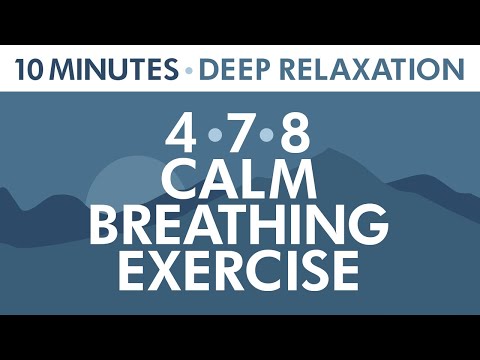
- There are different techniques to explore. One of my favorites is the 4-7-8 technique. You inhale through your nose for four counts, hold that breath for seven counts, and then exhale slowly through your mouth for eight counts. It’s surprisingly effective!
- Mindfulness is another great aspect of breathwork. By simply focusing on your breath, you become more aware of your body’s sensations. This awareness can help you catch symptoms early before they spiral out of control.
- Incorporating breathwork into everyday life doesn’t have to be time-consuming. You could practice while waiting in line or even while playing a video game! Just remember to take those deep breaths—sometimes a little pause makes all the difference.
Now, here’s an anecdote for you: I once had a friend who struggled with anxiety and POTS symptoms during college. She found herself constantly overwhelmed during exams and classes. Each time she felt her heart racing or dizziness kicking in, she used the 4-7-8 technique in the bathroom stall before heading back to class. It was like her little secret weapon against stress! And slowly but surely, she learned to manage her symptoms better.
But let’s not forget that these techniques aren’t magic potions—they’re more like tools you have in your toolbox. If you’re really struggling with POTS or any other health issues, it’s super important to chat with a healthcare professional about what you’re experiencing.
And hey, remember that managing symptoms takes practice and patience! Just as leveling up in a game requires time and effort, learning to use breathwork effectively will also take some getting used to.
So yeah, if you’re looking for ways to tackle POTS symptoms head-on, give breathwork a shot! You might just find it makes your day-to-day life feel more manageable—even if it doesn’t cure everything overnight.
Essential Breathing Meditation Techniques for Beginners: A Guide to Mindfulness and Relaxation
Breathing meditation is one of those things that can feel really good, you know? It’s like hitting a reset button on your mind and body. And if you’re just starting out, I promise it can be super simple and rewarding. Let’s break it down together.
First off, why is breathing meditation important? Well, when you focus on your breath, it helps clear your head and calm your nerves. Seriously! Imagine feeling like a hamster running in circles in its wheel; that’s what our minds can be like sometimes. But deep breathing makes it easier to step off that wheel for a bit.
Here’s some essential techniques to get you started:
- Deep Belly Breathing: This one’s great! Sit or lie down comfortably. Place a hand on your belly and take a deep breath in through your nose. Feel that belly rise? Hold for just a second, then exhale through your mouth slowly. It’s like blowing out birthday candles!
- 4-7-8 Breathing: Super cool technique! Inhale for four counts, hold for seven, then exhale for eight. It’s almost like holding your breath during the exciting parts of video games — builds anticipation! Give it a go; you might feel more relaxed right away.
- Nose Breathing: This one focuses on breathing in and out through just your nose. Picture yourself smelling a nice cupcake as you inhale deeply; then slowly let it all out while imagining blowing away the candles.
- Box Breathing: Here’s where things get fun! Inhale for four counts, hold again for four counts, exhale for four counts, then take another pause for four before inhaling again. Think of it as drawing a box with each breath; nice and even!
Creating an inviting atmosphere also helps while meditating. Find a cozy spot where you won’t be interrupted—maybe grab some soft pillows or light a candle (not too close though!). You want this space to feel special!
Now about timing: start with just five minutes if you’re new at this. I mean who doesn’t have five minutes to spare? As you get comfortable, maybe aim for 10 or even 15 minutes if you’re feeling adventurous!
Let me share an emotional moment here: There was this time during finals when I felt so overwhelmed by everything—like my brain was stuffed with 1000 papers! A friend suggested deep breathing before studying each night; I gave it a shot and wow… It cleared my mind enough to actually focus.
But remember: while these techniques are great, they’re not meant to replace professional help if you’re dealing with serious stress or anxiety issues. It’s always cool to chat with someone trained when things feel too heavy.
In the end, think of breathing meditation as kind of like stretching but for your mind! With practice, you’ll find that calmness becomes easier to reach anytime you need it.
So grab those breaths—you’ve got this!
Exploring the Benefits of Breathing Meditation for Mental Clarity and Emotional Well-Being
Breathing meditation is one of those practices that sounds simple, but the benefits are pretty profound. You know, it’s like when you’re playing a game and you finally figure out that one trick to level up – that’s what deep breathing can do for your mind and emotions.
When you engage in breathing meditation, you basically focus on your breath. It might seem basic, but think about it this way: when you’re stressed or anxious, your breath tends to get shallow and rapid. This leads to more stress—and it’s a downward spiral! Now, by practicing deep breathing, you’re telling your body to chill out a bit.
- Mental Clarity: Focusing on your breath helps clear away the mental clutter. It’s like hitting a reset button on your mind.
- Emotional Balance: Regular practice can help stabilize your mood. It’s as if you’ve found the perfect balance in a game; everything just feels right.
- Stress Reduction: Deep breathing activates your body’s relaxation response. This is just like pausing a game during an intense moment to regroup.
- Increased Focus: If you’re having trouble paying attention, deep breathing can help sharpen your concentration—like finding that sweet spot where everything clicks in a puzzle game.
Let me share something personal here. A while back, I was overwhelmed with work and life pressures. Sitting at my desk felt like a marathon—and then I tried deep breathing meditation for about five minutes. It felt like pulling myself out of quicksand. My thoughts began to settle down; they didn’t race around like crazed squirrels anymore! Seriously, I could think clearer and feel calmer.
So how does this work? Basically, when you inhale deeply through your nose, hold it for a second or two, and then exhale slowly through your mouth, you’re slowing down not just the breath but also calming the nervous system. It gives an opportunity for you to reconnect with yourself.
And since we’re all human here—don’t expect lightning-fast results right away! Like leveling up in any game takes time and practice so does establishing this new habit of deep breathing.
Like anything else – learning curve included – if at any point you feel overwhelmed or anxious about trying this out alone? Always remember: it’s perfectly okay to seek professional guidance or support. Your mental health journey is important.
In the end, embracing breathing meditation can bring some serious tranquility into your life. So why not give it go? Just breathe in… breathe out… and see how much calmer things can be!
You know, I’ve been on this journey of trying to find my inner peace and clarity. I mean, with life throwing a million things at us, it can get pretty chaotic. There was this one time I was stressing out about a big presentation at work. I felt like my mind was racing a mile a minute, and my heart was pounding so hard it felt like a drum solo in my chest. That’s when I stumbled upon deep breathing meditation.
So, deep breathing isn’t just some fancy term — it’s really about slowing down and reconnecting with your body. It sounds simple, right? But wow, it can make such a difference! Basically, you take long, slow breaths in and out. And trust me, when you focus on that rhythm—like filling your lungs with air and then releasing it—it’s like hitting the reset button on your brain.
There are different techniques you can try. One that works well for me is the 4-7-8 method. You inhale through your nose for four seconds (count in your head), then hold that breath for seven seconds—yes, seven! And then let it all out through your mouth for eight seconds. It might sound weird at first but give it a shot! The first time I did this, I thought I’d pass out from holding my breath too long. But honestly? By the end of it, I felt lighter—like someone had taken an invisible weight off my shoulders.
Sometimes I find myself in stressful situations where everything feels overwhelming—like when you’re juggling work deadlines and family responsibilities at the same time (we’ve all been there!). When that happens, just stepping back for a moment and focusing on my breath has helped clear away that foggy sense of panic.
I know what you’re probably thinking: How do you even remember to do this? The truth is; it takes practice! But once you weave deep breathing into your daily routine—even if it’s just five minutes here or there—you’ll start to notice moments of calm appearing in crazy days.
And here’s a little tip: try doing this outside or by a window if you can. The fresh air kinda adds to the experience and makes everything feel even more peaceful.
In the end, we’re all just trying to navigate through life without losing our sanity completely! Deep breathing meditation can be one of those simple tools to help regain some calmness in our day-to-day chaos. Give yourself permission to take those moments; it’ll honestly feel amazing!