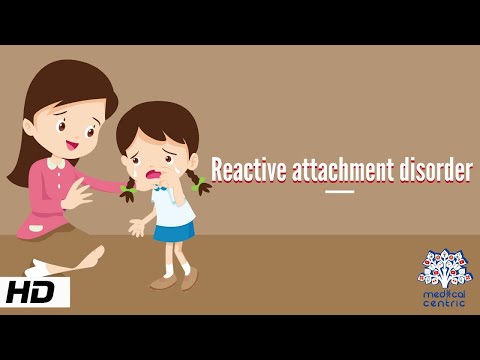
Hey, you! Have you ever heard of reactive attachment? It’s a pretty interesting topic, and honestly, it can get a bit heavy. But stick with me.
Este blog ofrece contenido únicamente con fines informativos, educativos y de reflexión. La información publicada no constituye consejo médico, psicológico ni psiquiátrico, y no sustituye la evaluación, el diagnóstico, el tratamiento ni la orientación individual de un profesional debidamente acreditado. Si crees que puedes estar atravesando un problema psicológico o de salud, consulta cuanto antes con un profesional certificado antes de tomar cualquier decisión importante sobre tu bienestar. No te automediques ni inicies, suspendas o modifiques medicamentos, terapias o tratamientos por tu cuenta. Aunque intentamos que la información sea útil y precisa, no garantizamos que esté completa, actualizada o que sea adecuada. El uso de este contenido es bajo tu propia responsabilidad y su lectura no crea una relación profesional, clínica ni terapéutica con el autor o con este sitio web.
So, imagine being a kid who just can’t connect with others like most kids do. That’s what we’re talking about here. There are real reasons behind this, like early experiences that totally shape how we bond later on.
You know how important relationships are, right? They’re at the core of who we are and how we feel. Understanding reactive attachment can really shine a light on why some people struggle with trust or intimacy.
It’s a wild ride through childhood experiences and their long-lasting effects on adult life. Let’s take a closer look today—it might just surprise you!
Understanding Reactive Attachment Disorder in Adults: Symptoms, Causes, and Treatment Options
Reactive Attachment Disorder (RAD) is a serious condition that can continue into adulthood, affecting relationships and emotional wellbeing. It’s often rooted in early childhood experiences, especially when a person doesn’t form healthy attachments with caregivers. So, let’s explore the symptoms, causes, and treatment options.
Symptoms of RAD in adults can look a bit different than in kids but they’re just as challenging. You might notice:
- Difficulty with relationships: Adults with RAD often struggle to connect emotionally. They may keep others at arm’s length or have trouble trusting.
- Emotional dysregulation: Big feelings can feel overwhelming. You might experience anger or sadness that seems disproportionate to the situation.
- Avoidance of intimacy: Whether it’s physical or emotional closeness, some people with RAD find it hard to let anyone get too close.
- A sense of emptiness: Some folks feel like something’s missing in their lives. This emptiness can lead to boredom or restlessness.
- Difficulties in recognizing feelings: Sometimes distinguishing between emotions feels like trying to solve a game with hidden levels – confusing!
Now, what about the causes? Well, RAD usually stems from adverse experiences during childhood. Think about this: if a child doesn’t get consistent love and attention—like being shuffled through multiple foster homes—or faces neglect, their ability to form secure attachments gets disrupted.
Here are some common causes:
- Nurturing deficits: When caregivers can’t provide love consistently due to various reasons such as trauma or mental health issues.
- Frequent changes in caregivers: Like bouncing from one home to another without stability leaves lasting impacts.
- Turbulent environments: Exposure to violence or substance abuse can make nurturing almost impossible for parents.
So, how do you even start addressing RAD? Well, treatment options are out there—and they’re not one-size-fits-all!
Treatment often combines therapy and sometimes medication:
- Cognitive Behavioral Therapy (CBT):This helps you recognize and change negative thought patterns. It’s like leveling up your mind!
- Therapeutic parenting techniques:If you’re working on building connections with someone who has RAD—or even yourself—you might focus on creating supportive environments that encourage safety and trust.
- Group therapy:This allows sharing experiences with others facing similar challenges. Hearing stories from others can feel comforting and validating.
But remember: getting through this isn’t easy. It requires time and patience—and sometimes professional help is crucial for real progress.
So if you or someone you know is dealing with similar symptoms tied back to early attachment issues, reaching out for guidance could be beneficial. I mean seriously—why go it alone? While there’s no quick fix for RAD, knowing what it is can make navigating life easier!
Understanding Reactive Attachment Style: Causes, Effects, and Coping Strategies
Reactive Attachment Style is a complex topic, but let’s break it down into bite-sized pieces. You might be wondering: what exactly does this mean? Well, it all comes back to how we form attachments, especially in childhood. Basically, if a child has inconsistent or inadequate emotional care early on, they can develop problems forming healthy relationships later in life.
Now, think of it like a game of catch. If your partner always throws the ball back perfectly and catches yours, you’re more likely to enjoy playing together. But if they keep dropping the ball or don’t throw it at all? That’s just frustrating and makes you feel unsure about the game. That’s kind of what happens with reactive attachment style.
So, let’s look at some causes. Many times, it boils down to:
- Inconsistent parenting: One minute a caregiver is loving and present; the next minute they’re distant or unavailable.
- Trauma: Experiences like abuse or neglect can make kids unsure about how to form connections safely.
- Lack of stability: Frequent changes in caregivers or living situations can lead to feelings of insecurity.
This kind of upbringing creates feelings of mistrust and anxiety when trying to connect with others. Kids learn that if they express their needs emotionally, those needs might not be met consistently. So instead of reaching out for comfort when they’re upset, they often pull away or act out instead.
The effects don’t stop in childhood either! Adults with reactive attachment styles may struggle with things like:
- Difficulties in relationships: It might feel easier to keep people at arm’s length than risk getting hurt.
- Anxiety & depression: Those feelings often bubble up from unresolved issues with attachment—like trying to play that catch game alone!
- Lack of trust: Trusting others can seem like climbing a mountain—super hard work!
You know what? It’s not all doom and gloom though! There are ways to cope and heal from this stuff. Here are some strategies that could help you or someone you know who might be dealing with this type of attachment style:
- Therapy: Speaking with someone who gets it can work wonders! A therapist can help unravel those past experiences and guide you toward healthier patterns.
- Meditation & mindfulness practices: These techniques can foster self-awareness and help manage emotional responses when things get tough.
- Solid support systems: Surrounding yourself with understanding friends or family can provide a safer environment for building trust over time.
If you resonate with this idea about reactive attachment style—or know someone who does—remember that these coping strategies don’t replace professional help. It’s always good to reach out for guidance when navigating these murky waters!
The journey isn’t easy, but healing is absolutely possible! So whether you’re tossing that metaphorical ball around in your relationships right now or just trying to figure things out—know you’re not alone in this game we call life!
Understanding Disinhibited Social Engagement Disorder: Symptoms, Causes, and Treatment Options
Disinhibited Social Engagement Disorder (DSED) is a tricky topic, but let’s break it down together. Basically, DSED is often seen in kids who’ve had tough beginnings—primarily those experiencing severe neglect or lack of consistent caregiver relationships. If a child has been bounced around foster homes or just didn’t have stable adult figures in their lives, they might develop this condition.
So, what are the symptoms? Look for these key signs:
- Overly friendly behavior: Kids with DSED often approach strangers in an overly familiar way. Think of your little sibling running up to a complete stranger at the park and hugging them—yikes!
- Lack of fear: They may not show the same caution that other kids do around unfamiliar adults. It’s like they don’t quite recognize danger.
- Short attention spans: They might jump from one adult to another without forming deep connections.
- Difficulty forming healthy relationships: Friendships may seem shallow or fleeting, making lasting bonds hard to achieve.
Now let’s get into some causes. DSED is closely tied to **reactive attachment** issues. When children don’t bond properly with caregivers early on, they miss out on crucial emotional lessons and social cues. It’s kind of like trying to play a video game without understanding the rules—you’re bound to make mistakes!
The main factors contributing to this disorder include:
- Poverty or instability: Kids growing up in chaotic environments may not have their emotional needs met.
- Separation from caregivers: Frequent changes in caregivers can lead to confusion and mistrust.
- Lack of nurturing experiences: Without consistent love and attention, kids struggle to form attachments.
Alright, so let’s talk about treatment options because finding help is super important! Usually, therapy approaches are recommended for kids with DSED.
Here are some common methods:
- Therapy sessions: Targeted therapy can help children learn about safe relationships and how to connect properly with others.
- Parent training programs: These help parents learn how to provide nurturing care that builds trust and attachment.
- Structured play therapy: Engaging children through play helps them express feelings safely while learning social skills.
Just remember that treatment isn’t one-size-fits-all. Every child is unique and may respond differently.
In all honesty, if you suspect someone you know might be dealing with DSED or reactive attachment challenges, it’s really important they see a professional for proper guidance and support. They’re equipped with tools and strategies that can truly make a difference.
As always, this info does not replace professional input; it’s more like a friendly nudge toward understanding complex issues better! So keep those cozy conversations going—understanding mental health is key to supporting our loved ones!
You know, when we talk about attachment, it’s like peeling back the layers of an onion. There are so many nuances, and one of the more complex layers is reactive attachment. It’s one of those things that can really shape a person’s life.
Reactive Attachment Disorder (RAD) usually bubbles up in kids who haven’t had a consistent caregiver to lean on. Picture this: a child in foster care, moving from home to home every few months, never really feeling secure. They might start to push people away or act out because they don’t know what it feels like to be truly loved and cared for. The thing is, that lack of love – whether from neglect, abuse, or simply inconsistent caregiving – can lead to some pretty big emotional hurdles later on.
Effects can range from difficulty forming relationships to issues with trust and emotional regulation. I remember a friend telling me about her little brother who struggled with RAD after being adopted. It broke her heart seeing him shut everyone out at family gatherings, just sitting quietly in the corner. She’d try to include him, but he’d brush her off every time. It’s tough because you want them to feel safe and connected, but they’ve built these walls to protect themselves.
And here’s where it gets even more complicated: it’s not just kids who experience RAD; adults can also carry those patterns into their relationships if they don’t get help. Imagine trying to love someone who’s constantly pushing you away! It can feel frustrating and heartbreaking.
So why does understanding this matter? Well, recognizing the roots can pave the way for healing and connection. Anyone dealing with these feelings might find solace in therapy or support groups where they get to explore their past without judgment – that could really change things up for them!
In the end, it all comes down to fostering an environment of compassion and patience—both for ourselves and others around us. It’s about finding those little moments where connection happens—those sparks that remind us there’s always hope for building bonds no matter how tough it might seem at first glance.