Hey you! So, let’s talk about something that can really mess with relationships—disinhibited attachment. Sounds kind of heavy, right? But seriously, it’s a big deal.
Este blog ofrece contenido únicamente con fines informativos, educativos y de reflexión. La información publicada no constituye consejo médico, psicológico ni psiquiátrico, y no sustituye la evaluación, el diagnóstico, el tratamiento ni la orientación individual de un profesional debidamente acreditado. Si crees que puedes estar atravesando un problema psicológico o de salud, consulta cuanto antes con un profesional certificado antes de tomar cualquier decisión importante sobre tu bienestar. No te automediques ni inicies, suspendas o modifiques medicamentos, terapias o tratamientos por tu cuenta. Aunque intentamos que la información sea útil y precisa, no garantizamos que esté completa, actualizada o que sea adecuada. El uso de este contenido es bajo tu propia responsabilidad y su lectura no crea una relación profesional, clínica ni terapéutica con el autor o con este sitio web.
Imagine being super friendly with everyone and not really knowing how to form those deeper bonds. That’s what we’re getting at here! It’s like giving out hugs to strangers on the street.
This kind of attachment often comes from early experiences—there’s a lot going on beneath the surface. But it doesn’t just affect kids; it can totally spill into adulthood too.
Stick around, because we’re gonna break it down: what causes this stuff, how to spot it, and why it matters. You with me? Let’s go!
Understanding the Causes of Disinhibited Attachment Disorder: Key Psychological Factors Explained
So, let’s talk about disinhibited attachment disorder. It’s a mouthful, right? But don’t worry, we’ll break it down together. Basically, this disorder affects how some kids connect with others, often stemming from some pretty tough early life experiences.
What is Disinhibited Attachment Disorder?
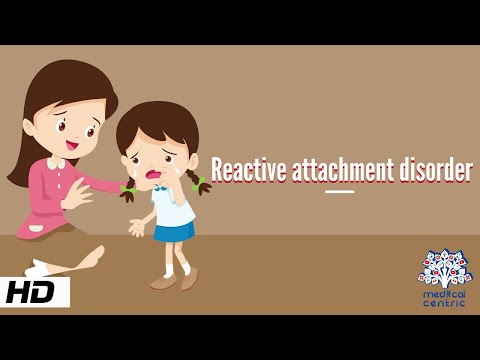
It’s when children struggle to form proper attachments to caregivers because their early relationships were inconsistent or harmful. These kids may seem overly friendly or clingy with strangers, which can be a bit concerning.
Key Psychological Factors Behind Disinhibited Attachment Disorder:
- Early Neglect or Abuse: One of the biggest factors is when kids experience neglect or abuse in their formative years. Imagine you’re playing a game where your teammates leave you alone every time you go for a score. How would that feel? You’d probably start to act out in strange ways just to get attention!
- Frequent Changes in Caregivers: Kids need stability. If they’re constantly shuffled between foster homes, or different caregivers who don’t stick around long enough, it creates confusion and feelings of insecurity.
- Lack of Emotional Nurturing: A child who doesn’t receive hugs, words of encouragement, or even basic emotional support can develop unhealthy attachment styles. Think about playing a game without any rules—it gets chaotic and doesn’t feel safe.
- Parental Mental Health Issues: If parents are dealing with their own mental health struggles—like depression or anxiety—they might not be able to provide the loving care that kids need. When that happens, children miss out on learning how to trust and bond properly.
- Cultural Factors: Sometimes cultural norms can also play a role. In certain communities where communal parenting is common, children might learn overly open behaviors without boundaries because everyone shares the caregiving role.
Symptoms You Might Notice:
Kids with disinhibited attachment disorder may show various symptoms:
- Easily Forming Relationships: They may latch onto anyone who shows them kindness—even strangers—which can put them at risk.
- Lack of Boundaries: These kids often don’t recognize personal space and might invade others’ privacy without hesitation.
- Poor Peer Relationships: Their friendly but inappropriate behavior can make it hard for them to make genuine friends—kind of like being the kid at school always trying too hard to fit in without knowing how!
Now, you might be wondering what this all means for the future? Well, individuals with disinhibited attachment disorder might find maintaining healthy relationships difficult as they grow up.
The Implications Are Real
This isn’t just about childhood; these patterns can follow someone into adulthood if not addressed properly. That’s why seeking help from professionals such as psychologists is crucial. They can help navigate these complex feelings and develop healthier attachments.
Just remember: understanding is half the battle! If you notice these signs in someone—maybe your child or even yourself—it’s important not to brush it off but rather approach it with compassion and care.
Overall, early intervention makes a huge difference! Kids are resilient but they sometimes need guidance to learn what healthy connections look like. And that kind of support really changes lives for the better!
Understanding Disinhibited Attachment: Characteristics, Causes, and Implications
Disinhibited Attachment is a term that sounds complicated, but it’s really about how some kids connect with the people around them. You know, when children don’t seem to form those special bonds with caregivers? It can be pretty concerning.
Characteristics of disinhibited attachment include:
- Excessive familiarity: Children might approach strangers or acquaintances without hesitation. Imagine a kid running up to a total stranger at the park, asking them to play tag!
- Lack of reservation: They often have little to no fear when interacting with new people. It’s like they’ve skipped that cautious phase most kids go through.
- Difficulty recognizing boundaries: These children may not understand personal space, often getting too close for comfort.
If you’re thinking about what causes this kind of attachment style, there are several factors at play. A big one is the child’s early experiences with caregivers. Consistent neglect or changes in primary caregivers can lead to disinhibiting behavior. This might happen in situations where a child has been bounced around between foster homes or faced inconsistent responses from their parents. It’s like playing hopscotch—jumping from one square (or caregiver) to another without ever landing on solid ground.
Another cause could be environmental stressors. For example, if a family is struggling financially or dealing with mental health issues, it can create an unstable atmosphere for a child. Think about it: if home feels uncertain and chaotic, kids may reach out to anyone who seems friendly because they’re not sure who will be there for them.
The implications of disinhibited attachment can be significant as these children grow older. They might struggle in social settings, finding it hard to maintain friendships because their approach tends to overwhelm others. Picture this: someone trying to connect in an online game chat by immediately revealing personal information and expecting everyone else to do the same! It doesn’t usually go well.
This attachment style can also impact emotional regulation; kids may become overly dependent on external validation since they lack those deep connections we all crave. So in social environments—like school—they might crave attention but not really know how to give or receive affection in return.
If you suspect someone you know could be experiencing disinhibited attachment, it’s important they get support from mental health professionals who specialize in attachment issues. And remember, while understanding these patterns can provide insight into behavior, it doesn’t replace professional help!
In short, recognizing the signs of disinhibited attachment and understanding its roots are crucial for supporting affected children as they navigate relationships throughout their lives.
Understanding the Primary Consequences of Attachment Problems: Effects on Relationships and Emotional Well-being
Attachment problems can really change how you connect with others. One of these issues is disinhibited attachment, which can lead to some challenging effects on relationships and emotional well-being. Let’s break it down so it’s easy to understand.
Disinhibited attachment often happens in kids who faced inconsistent or chaotic caregiving. Imagine a child who was moved from one foster home to another, never really knowing if they’d be loved or cared for. This uncertainty can create a kind of emotional mess later in life.
The symptoms can include:
- Difficulty forming close relationships: People might struggle to connect deeply with others or feel anxious about being too attached.
- Oversharing personal information: They might share too much too soon, which can make others uncomfortable.
- Lack of impulse control: This could mean acting out in ways that seem inappropriate, like being overly affectionate toward strangers.
You know how in games, there are characters that seem to rush into situations without thinking? It’s kind of like that! These folks have a hard time gauging social boundaries and often let their guard down way too quickly.
This disinhibition can seriously affect relationships. Friendships may feel rocky or superficial because trust isn’t built up. Imagine playing a game where you keep losing because your teammates don’t communicate well; that’s what it feels like when someone doesn’t know how to connect properly.
Emotionally, the consequences are no joke either. People with disinhibited attachment might experience:
- Low self-esteem: They might feel unworthy of love and friendship, leading to more isolation.
- Anxiety or depression: Constantly feeling disconnected can weigh heavily on mental health.
- Difficulties managing emotions: They may struggle with intense feelings without knowing how to cope properly.
A friend once told me about someone they knew who always tried to be the life of the party but ended up feeling lonelier than ever. It was heartbreaking because this person just wanted connection but didn’t know how to create it without overwhelming everyone else around them!
The implications for therapy are significant. Professional help doesn’t mean you’re broken; it means you’re seeking tools and strategies for better connections. Therapists often work on building strong therapeutic relationships first – kind of like leveling up in a game before taking on tougher challenges! They can guide individuals through understanding their attachment styles so they can start mending those emotional wounds.
So remember, dealing with disinhibited attachment isn’t just about fixing issues; it’s about learning how to build healthier connections moving forward. You’re not alone in this journey!
You know, when we talk about disinhibited attachment, it’s kind of a tough subject. It’s like peeling an onion—there are layers and layers to consider. So, let’s take a look together at what this means, shall we?
Basically, disinhibited attachment happens when kids form overly friendly relationships with unfamiliar adults. You might imagine a child running up to a stranger and hugging them like they’re long-lost friends. Almost cute, but also a bit alarming! It usually stems from early experiences where kids don’t get consistent love and care from their caregivers. Think about it: if you never know if your needs are going to be met, it’s like planting seeds of insecurity in your heart.
I remember this one time at the local park, there was this little girl who just dashed up to me with the biggest smile ever. She squeezed my leg and told me all about her day like I was her best buddy. I smiled back but couldn’t shake off that uneasy feeling—what if she’s used to reaching out to anyone because she’s missing that sense of safety at home? It made me realize how important those early bonds really are.
So what does it look like? Well, kids who experience disinhibited attachment might seem overly clingy or even too trusting with people they don’t know well. They may not recognize social boundaries which can lead to some pretty complicated situations later in life. They might struggle with forming deeper connections as they grow older or even find themselves in risky relationships without realizing it.
But wait! It’s not all doom and gloom. Understanding these patterns is the first step towards healing—for both the child and the caregivers involved. Therapy can be a valuable tool for building those secure attachments that every child deserves. Practicing consistency in responses can help create that foundation of trust too.
You see? Disinhibited attachment sheds light on how crucial early relationships are for emotional development. Learning about these things just makes us more mindful of how we interact with little ones in our lives or even our own experiences growing up! There’s always room for hope and growth—I think that’s something we can all hold onto, right?