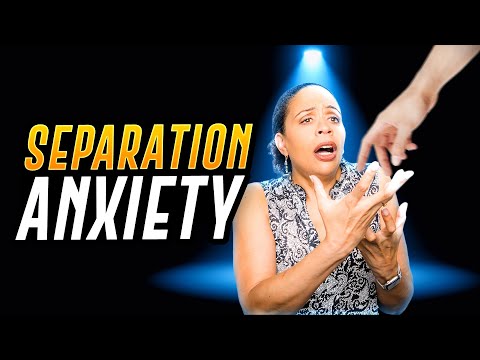
You know what? Relationships can be tricky. It’s like we all want that perfect connection, but sometimes our past just messes things up.
Ever noticed how some people struggle to get close? Or maybe you’re that person, feeling a bit off when someone tries to get too close?
Este blog ofrece contenido únicamente con fines informativos, educativos y de reflexión. La información publicada no constituye consejo médico, psicológico ni psiquiátrico, y no sustituye la evaluación, el diagnóstico, el tratamiento ni la orientación individual de un profesional debidamente acreditado. Si crees que puedes estar atravesando un problema psicológico o de salud, consulta cuanto antes con un profesional certificado antes de tomar cualquier decisión importante sobre tu bienestar. No te automediques ni inicies, suspendas o modifiques medicamentos, terapias o tratamientos por tu cuenta. Aunque intentamos que la información sea útil y precisa, no garantizamos que esté completa, actualizada o que sea adecuada. El uso de este contenido es bajo tu propia responsabilidad y su lectura no crea una relación profesional, clínica ni terapéutica con el autor o con este sitio web.
Those feelings might come from attachment issues. Crazy, right? It’s like carrying around invisible baggage that weighs us down.
I mean, who hasn’t felt a bit lost or confused in love at some point? You’re not alone in this!
Let’s chat about what causes these attachment problems, and hey, more importantly, how to sort them out. Sound good?
Understanding the 4 C’s of Attachment: Key Concepts for Healthy Relationships
Relationships can feel a bit like playing a game, right? Sometimes you win, sometimes you lose, and other times you just can’t figure out the rules. If you’ve ever felt confused or frustrated with how you connect with someone else, it might have to do with something called «attachment.»
You see, attachment is how we bond with others, usually formed in childhood based on our experiences. There are basically four main concepts—let’s call them the **4 C’s of Attachment**. Understanding these can seriously help your relationships thrive.
1. Care: This is all about feeling valued and supported. It’s like having your favorite cheerleader by your side during a tough game. When your partner shows care—through words or actions—you know they’ve got your back. An example? Maybe they remember to ask how that big presentation at work went.
2. Comfort: Think of comfort as that cozy blanket on a chilly night. It’s about creating a safe space for each other to be vulnerable without judgment. Imagine having an argument but then cuddling up afterward—it helps heal those wounds and brings you closer together.
3. Cooperation: Ever played co-op games where teamwork is everything? Well, relationships are kind of like that! Cooperation involves working together towards common goals and understanding each other’s needs. If one person wants to travel more while the other prefers staying put, finding a middle ground is key.
4. Communication: This one can’t be overstated! Good communication is like having clear playbooks in sports—everyone needs to know what’s going on to play well together! Being open and honest about feelings helps avoid misunderstandings and resentment.
Now let’s touch upon attachment problems. These can arise from various causes, such as inconsistent parenting during childhood or past relationship traumas. You might find yourself avoiding closeness or becoming overly dependent on others—both can lead to conflict in partnerships.
So what are some solutions for these attachment problems?
- Acknowledge Your Patterns: Start by recognizing how you attach to others; it’s kind of like figuring out your role in a game.
- Open Up About Feelings: Share your thoughts with your partner—even if it feels vulnerable at first.
- You Know What? Consider seeking guidance from someone trained in this stuff! A professional can help untangle those tricky feelings.
In games, sometimes we need to pause and rethink our strategy; same goes for relationships! Improving attachment patterns takes time and effort from both sides but has the potential for incredible rewards.
At the end of the day, healthy attachments lead to stronger bonds with people who matter most in your life. So give yourself permission to explore these concepts further—and remember, it doesn’t hurt to seek help if things get too tangled up!
How to Overcome Attachment Issues in Romantic Relationships: Practical Strategies for Healthier Connections
Relationships can be a real rollercoaster, right? Sometimes they feel amazing, and other times they’re just… well, complicated. If you’ve ever struggled with attachment issues in your romantic life, you’re not alone. These struggles often stem from our past experiences and can deeply influence how we connect with others now. So, what can you do about it? Let’s break this down!
Understanding Attachment Styles
The thing is, we all have different ways of attaching to people based on our early relationships—usually with caregivers. There are three main attachment styles: secure, anxious, and avoidant.
- Secure: You generally feel comfortable with intimacy and are usually pretty good at balancing closeness and independence.
- Anxious: You crave closeness but often worry about your partner’s love for you. You might come off as clingy or overly sensitive.
- Avoidant: You value your independence too much, often feeling uncomfortable with too much emotional closeness.
Think about it like this: if you grew up in a household where showing emotions was frowned upon, you might lean toward an avoidant style in your relationships now.
Recognizing Your Patterns
Self-awareness is key here! Next time you’re feeling anxious or distant in a relationship, take a step back to consider why that might be happening. Maybe you had a rough breakup that made you panic whenever things got serious? Or perhaps you’ve built walls to protect yourself because vulnerability feels risky.
You could try keeping a journal to jot down your feelings or thoughts in different situations. Seriously, it works! Writing things out gives clarity and can highlight patterns that aren’t obvious at first glance.
Communication is Your Best Friend
When you’re dealing with attachment issues, open communication is super important. Talk to your partner about your feelings—trust me; this builds intimacy! You don’t have to lay everything bare right away; start simple.
For example: let’s say you’re feeling insecure when they don’t text back right away. Instead of spiraling into anxiety mode (which I know we’ve all done), say something like «Hey, I feel a bit anxious when I don’t hear from you.» It opens the door for discussion without pointing fingers.
Set Boundaries
Healthy relationships need healthy boundaries! If you’re the anxious type who feels overwhelmed by too much closeness (or the avoidant type who needs space), talk it out. Agree on what works best for both of you.
Imagine playing a co-op video game where setting roles is crucial to winning—the same goes for relationships! Knowing when someone needs their space versus when they need support can make all the difference.
- Create Space: If things get too intense or overwhelming for either of you, agree beforehand that it’s okay to take some time apart.
- Check-in Regularly: Schedule little moments where both of you can share how you’re feeling about the relationship—not just during big arguments!
Practice Self-Compassion
It’s so easy to beat yourself up over past choices or attachment styles—you know what I mean? But here’s the scoop: being kind to yourself is crucial! Remind yourself that everyone has vulnerabilities; acknowledging them takes courage.
Try positive affirmations like “I deserve healthy love” or “I’m working on my growth.” It sounds cheesy but helps reshape that inner dialogue!
Consider Professional Help
If these strategies sound overwhelming or if things feel unmanageable—that’s totally okay! Talking to a therapist who specializes in relationships can provide personalized guidance tailored just for you.
Remember: the goal here isn’t perfection; it’s making progress toward healthier connections over time. Embrace the journey!
In the end, overcoming attachment issues is like leveling up in a game—it takes practice and patience but leads to more rewarding connections along the way. So hang tight and keep moving forward—you got this!
Understanding Emotional Attachment Problems in Relationships: Causes and Effective Solutions
Emotional attachment problems in relationships can be pretty tricky, you know? They affect how we connect with others and can lead to misunderstandings or even heartbreak. Let’s break down some of the common causes and solutions for these issues.
Attachment styles play a huge role in shaping how we interact in relationships. There are generally four types: secure, anxious, avoidant, and disorganized. If someone has a secure attachment style, they tend to be comfortable with intimacy and trust. But if someone grew up with inconsistency in caregiving—like a parent who was sometimes nurturing but aloof other times—they might develop an anxious or avoidant attachment style.
Have you ever felt like you’re either too clingy or too distant? That stems from these styles. For example, imagine playing a game where you constantly worry about your partner abandoning you (anxious) or you keep avoiding any closeness (avoidant). Both players might find it hard to enjoy the game together, right?
- Childhood experiences: These can shape our attachment styles significantly. If kids experienced trauma or neglect, they might struggle later on with forming healthy connections.
- Lack of communication: It’s super important to express feelings! When people don’t share their thoughts or worries, it can create emotional distance.
- Past relationship baggage: If someone had a rough breakup or betrayal before, they might carry those fears into new relationships.
The truth is, emotional pain can linger long after the actual event. I remember a friend who went through a tough breakup and shut themselves off from others for ages. It took time—and lots of conversations—to help them open up again.
So what can we do about it? Here are some ideas:
- Mediation and therapy: Sometimes, talking to someone trained can really help figure things out. A therapist could guide you through understanding your feelings and behaviors.
- Breathe through the fears: When anxiety creeps in—whether it’s fear of being alone or getting hurt—take deep breaths! Center yourself before reacting.
- Create secure environments: Try fostering an atmosphere of trust with your partner by being open about your needs. This involves listening as much as speaking!
- Practice self-compassion: Be kind to yourself! Understand that everyone has issues; it’s okay to seek help when needed.
If something feels off in your relationship and it seems like it’s tied up in attachment issues, taking steps towards understanding these patterns is crucial. Remember though—it’s always cool to reach out for professional support when things feel heavy!
The bottom line? Recognizing emotional attachment problems is the first step towards building healthier relationships. So take that leap; it might just lead you into deeper connections!
Attachment problems in relationships can be a real rollercoaster, you know? You might find yourself feeling super connected one minute and then totally freaked out the next. The way we bond with others often traces back to how we were nurtured as kids. You’ve got your secure, anxious, avoidant, and disorganized attachment styles—all shaping the way we interact with our partners.
Picture this: if you grew up with supportive parents who were there for you, you’re likely to have a secure attachment style. You’re comfortable expressing your needs and trust others easily. But if that wasn’t the case—if your caregivers were inconsistent or distant—you might lean toward an anxious or avoidant style. I mean, it makes sense, right? It’s like you learned what love looks like from an early age.
Let me share a quick story. My friend Sam had a tough time trusting his partner because of his childhood experience. His parents fought all the time, so he thought love was unstable. Whenever he felt close to someone, he’d panic and pull away—just like that! Eventually, after some honest chats with his partner and even seeking guidance from a therapist, he learned that vulnerability wasn’t scary—it was necessary for true connection.
Now let’s talk solutions because that’s what we really want at the end of the day! First off, awareness is key. Just realizing your attachment style can open doors to better communication. Try expressing your feelings honestly—no need to play mind games here! And practicing mindfulness can help you stay grounded in moments of anxiety or fear.
Building emotional safety is also crucial—creating an environment where both partners feel valued and heard helps strengthen bonds. I mean seriously, it’s amazing what just listening can do!
Lastly, don’t shy away from seeking support if you need it; therapy isn’t just for crises. Sometimes having a trained viewpoint helps make sense of things in ways we can’t on our own.
Basically, attachment issues don’t have to define your relationships forever—they’re more like road bumps than dead ends! With some effort and understanding on both sides, it becomes possible to rewrite that narrative. So hey, let’s keep it real: understanding attachment styles is just one piece of navigating the complicated but rewarding world of love!