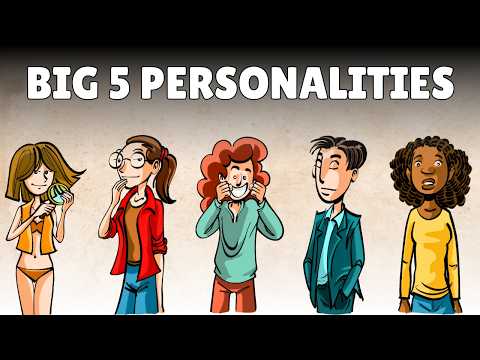
Hey you! So, let’s chat about something that really makes us tick: personality.
Este blog ofrece contenido únicamente con fines informativos, educativos y de reflexión. La información publicada no constituye consejo médico, psicológico ni psiquiátrico, y no sustituye la evaluación, el diagnóstico, el tratamiento ni la orientación individual de un profesional debidamente acreditado. Si crees que puedes estar atravesando un problema psicológico o de salud, consulta cuanto antes con un profesional certificado antes de tomar cualquier decisión importante sobre tu bienestar. No te automediques ni inicies, suspendas o modifiques medicamentos, terapias o tratamientos por tu cuenta. Aunque intentamos que la información sea útil y precisa, no garantizamos que esté completa, actualizada o que sea adecuada. El uso de este contenido es bajo tu propia responsabilidad y su lectura no crea una relación profesional, clínica ni terapéutica con el autor o con este sitio web.
Ever met someone who’s just so easy to get along with? They’re warm and friendly, and they seem to understand you without even trying. That’s agreeableness for you!
It’s one of those cool bits from the Big Five personality traits. You know, the ones that help make sense of why we all act the way we do.
So, what’s the deal with agreeableness? Why does it matter?
Stick around as we break it down together. It’s gonna be fun!
Understanding Agreeableness: A Clear Explanation of Its Role in the Big Five Personality Traits and Brain Function
Let’s chat about agreeableness, one of those fascinating traits in the Big Five Personality Traits. You know, when you think about personalities, it’s like sorting everyone into fun categories, right? Agreeableness is all about how nice and cooperative you are. It’s like being the friend who always wants to play fair in a game, making sure everyone has a good time.
What Exactly is Agreeableness? Well, this trait can reflect how empathetic and trusting you are. People high in agreeableness tend to be warm-hearted and compassionate. It’s like in those multiplayer games where teamwork matters—if you’re nice and work well with others, you usually win more! But folks low in this trait may come off as blunt or competitive. They might just want to win at any cost!
So What Does It Look Like? Picture your friend who seems to always go out of their way to help others. They listen when you vent after a tough day or bring snacks to share during game night. In contrast, someone with lower agreeableness might shrug off your feelings or hog all the best treats for themselves.
- A high level of agreeableness can lead to strong friendships.
- Low agreeableness can sometimes translate into leadership qualities; these people often challenge norms and take risks.
- Agreeable individuals tend to enjoy professions that involve caring for others—think teachers or nurses.
How Does This Relate to Brain Function? Great question! Research shows that people with higher levels of agreeableness often have increased activity in certain brain areas related to social behavior—like the medial prefrontal cortex. This part helps with understanding other people’s emotions and feelings. Think of it as your brain’s social media platform; it helps you connect with others!
This connection isn’t just intellectual; it also feeds into emotional health. People who exhibit friendliness may experience lower stress levels because they maintain good relationships with others—a bit like that feel-good rush after winning a co-op game together!
The Balancing Act: However, it’s not all rainbows and sunshine! Sometimes too much agreeableness can lead to issues like avoiding conflict or neglecting personal needs. You might find yourself saying “yes” too often or not standing up for what you want because you’re overly concerned about pleasing others.
- You want harmony? Great! But don’t lose yourself in the process.
- I mean, even in games, balancing cooperation and competitiveness matters for enjoyment!
The bottom line here is that while being agreeable has its perks—like building strong bonds—it’s also essential to know your limits. And remember: if you’re feeling overwhelmed by these personality dynamics—or anything really—it could be helpful talking things out with someone trained in mental health.
If we think of life as a big game, each personality trait plays a different role on the team. Agreeableness might not be everyone’s favorite player, but gosh, it’s crucial for forming connections that make life richer! So embrace that friendly spirit within yourself while keeping an eye on your own needs too.
Understanding the Big Five Personality Test: A Comprehensive Guide to Your Personality Traits
So, if you’re curious about personality traits and how they shape you, let’s chat about **Agreeableness** in the Big Five Personality Test. This is one of those five major traits that psychologists often look at to get a sense of who you are.
First off, **Agreeableness** is all about how much you care about other people and how you deal with social situations. People who score high on this trait tend to be more empathetic and cooperative. They’re like the friends who always know what to say when you’re feeling down, or maybe they’re the ones organizing group game nights. You know, like when everyone’s just getting along in “Mario Kart” before the real competition starts?
On the flip side, folks who score lower on agreeableness might come off as more competitive or even a bit aloof. Think of a player in “Fortnite” who’s out for number one—sure, they’re skilled but might not be winning any friendship awards while they take everyone else down!
Here’s a quick rundown of what shapes this trait:
- Empathy: High agreeableness means you can easily put yourself in someone else’s shoes.
- Cooperation: Agreeable folks often want to work together rather than going it alone.
- Trust: If you’re high in this trait, you probably give others the benefit of the doubt.
- Altruism: You might find yourself volunteering or helping others without needing anything in return.
Let’s think about it through an example! Imagine you see someone struggling with their groceries. A person high on agreeableness would likely rush over to help carry some bags or at least offer encouraging words. On the other hand, someone lower on that scale might not even notice or just keep walking because they’re focused on their own agenda.
And then there are different ways you can evaluate where you stand on this scale. There are quizzes online (that are just for fun!) where your results can show how agreeable you are compared to others. But keep in mind that these aren’t scientific assessments—they’re more like casual conversations with yourself.
It’s also worth noting that being too agreeable isn’t always great! Sometimes it can mean you’re a bit too accommodating and struggle to say no when people ask for favors—even if it’s inconvenient for you.
So here’s something cool: your level of agreeableness can change over time or depending on your life experiences! Maybe after going through some tough times, you’ll find yourself more open-hearted toward others.
In essence, understanding where you stand in terms of agreeableness isn’t just about knowing yourself better; it can help improve your relationships too! Just remember that while these traits provide valuable insight into your personality, they’re not definitive labels and don’t substitute professional advice if you’re feeling lost in life.
In short, whether you’re team “let’s help everyone” or team “I’ve got my own path,” knowing your level of agreeableness gives you a peek into why you act a certain way and helps set up better interactions with those around ya!
Understanding the Big 5 Personality Traits: Key Examples and Applications
So, let’s chat about one of the coolest bits of personality psychology: the Big 5 Personality Traits. They’re like a framework to understand how different people tick. And today, we’re focusing on one of those traits—Agreeableness.
Agreeableness is all about how friendly, compassionate, and cooperative you are. Think of it this way: when you think about your friends or colleagues, some are just super easy to get along with, while others might be a bit more prickly. It’s not that one is better than the other; they just operate differently based on their levels of agreeableness.
Let’s break down some key features of agreeableness:
- Trust: Agreeable folks usually believe in the goodness of others. They’re quick to give people the benefit of the doubt.
- Altruism: They often go out of their way to help others without expecting anything in return. You know those people who will drop everything to help a friend move? Yep, that’s them.
- Sensitivity: High agreeableness means being aware and sensitive to others’ feelings. These are your empathetic pals who comfort you when you’re down.
- Compliance: Agreeable types are often more willing to compromise and avoid conflict. They’d rather keep things smooth than argue over who gets the last slice of pizza.
An example that pops into my head is a situation I experienced playing co-op video games with friends. Some players would take charge and lead us through challenges without considering everyone else’s feelings or ideas—just focusing on winning at all costs! Others would make sure everyone felt included and valued each person’s input on strategy before moving forward. Those latter players? Totally exemplified high agreeableness!
But wait, there’s more!
The thing that’s fascinating about agreeableness is how it can affect both personal relationships and work dynamics.
- In relationships: If you’re highly agreeable, you might be that supportive partner who always listens and compromises—sometimes at the cost of your own desires!
- At work: You could be seen as a team player who fosters collaboration but may struggle when it’s time to assert yourself or say no.
This trait isn’t an absolute measure; it exists on a spectrum! So someone can be fairly agreeable but still have moments where they stand up for themselves or push back against groupthink. It all depends on context—and balance is key!
If you’re wondering how this all plays out in real life or if you’re curious where you fit into this picture, remember: understanding these traits can help improve interactions whether it’s chatting with friends or working with teammates. But if ever feel too overwhelmed by these dynamics in your life, talking to someone like a counselor or therapist could really help clarify things—you feel me?
I hope this little exploration into agreeableness helps you see how rich our personalities are! Keep reflecting on your experiences and remember: everyone has their unique mix in this personality cocktail we call life!
So, let’s chat about agreeableness, one of those Big Five personality traits that we often hear about. You know, when you think of someone who’s really warm and friendly, that’s usually what pops into your head, right? Agreeableness is all about being nice and cooperative. It’s like the glue that helps us get along with others and form solid relationships.
Imagine this: you’re hanging out with a friend who’s super agreeable. They just go with the flow, ready to lend a hand or listen when you need to vent. I remember a time when I had a rough day at work, and my buddy just showed up with ice cream. No questions asked! Those little acts of kindness can make such a difference.
But let’s break it down a little more. Agreeable folks tend to be empathetic and compassionate. They want harmony in their relationships and often avoid conflict—like the person who says yes to everything but secretly wishes they could say no sometimes. It’s kind of sweet but also can lead to them being taken for granted.
Now, on the flip side, not everyone scores high in agreeableness. Some people are more assertive or competitive. And while that’s totally fine, it can sometimes create tension in social settings. Think about it: if you’re battling out decisions at work or among friends, those low-agreeable types might clash with the peacekeepers.
And here’s something interesting: high agreeableness isn’t always rainbows and sunshine; it can lead to dilemmas too. Like if you’re too nice all the time, people might not take you seriously or could push your boundaries without knowing it! It’s kinda like being a doormat without even realizing it—definitely not fun.
In essence, agreeableness plays an essential role in how we interact with others. It can enhance our connections but also challenge us if we’re too accommodating or find ourselves surrounded by overly assertive folks. At the end of the day, balancing agreeableness with other traits can help us navigate life smoother—after all, we don’t want to lose our voice while trying to keep everyone happy! So what do you think? Do you lean more toward agreeable side or maybe have a bit of that fiery edge?