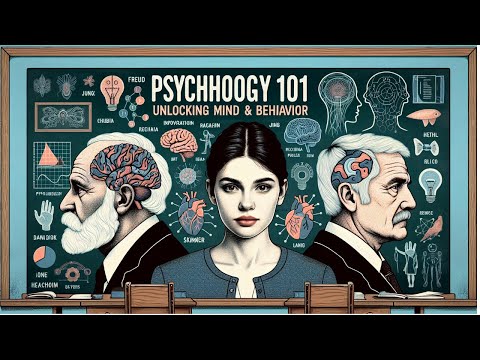
You know, human behavior is a bit of a puzzle, right? I mean, we all do some quirky things, and sometimes it feels like there’s no rhyme or reason. But trust me, there’s a lot going on under the surface.
Este blog ofrece contenido únicamente con fines informativos, educativos y de reflexión. La información publicada no constituye consejo médico, psicológico ni psiquiátrico, y no sustituye la evaluación, el diagnóstico, el tratamiento ni la orientación individual de un profesional debidamente acreditado. Si crees que puedes estar atravesando un problema psicológico o de salud, consulta cuanto antes con un profesional certificado antes de tomar cualquier decisión importante sobre tu bienestar. No te automediques ni inicies, suspendas o modifiques medicamentos, terapias o tratamientos por tu cuenta. Aunque intentamos que la información sea útil y precisa, no garantizamos que esté completa, actualizada o que sea adecuada. El uso de este contenido es bajo tu propia responsabilidad y su lectura no crea una relación profesional, clínica ni terapéutica con el autor o con este sitio web.
So, what gives? Well, that’s where human behavior theories come in. They’re like those guiding maps that help us navigate this crazy maze of life. Seriously, without them, it’d be like wandering around in the dark!
Let’s take a moment to chat about some key concepts and foundations in this wild field. It’s not just for the psychology nerds; it can totally help you make sense of why people act the way they do—including yourself! So grab a comfy seat and let’s get to it!
Key Concepts of Behavior Theory: Understanding the Principles Behind Human Actions
Oh, behavior theory! It’s one of those things that can totally transform how you see human actions. When you begin to grasp what’s behind our behaviors, it’s like putting on a new pair of glasses. You start seeing the world differently—more clearly, you know? So let’s get into it.
Behavior theory basically focuses on how we learn through interactions with our environment. It’s about understanding that our actions are often shaped by rewards, punishments, and experiences rather than just thoughts or feelings alone.
- Classical Conditioning: This is when you learn through association. Like Pavlov’s dogs—they salivated at the sound of a bell because they associated it with food. Imagine a time when you heard your favorite song and felt super happy, right? That joy can become linked to that song forever!
- Operant Conditioning: Here’s where rewards and consequences come into play! If you do something good and get rewarded, like a dog doing tricks for treats, you’re more likely to keep doing it. Let’s say you finish your homework on time this week and your parents take you out for ice cream as a reward. Sweet deal! But if they ground you for not doing it, well…you get the picture.
- Observational Learning: This one’s pretty cool. You can learn by watching others! Think about your kid brother trying to play video games like you do. He picks up tricks just by observing how you make those epic moves. This idea comes from Bandura’s social learning theory!
The truth is these concepts help explain why we act as we do in different situations. They’re not just theories; they have real-life applications! For example, schools often use positive reinforcement to encourage students’ good behavior or academic success.
But hey! It isn’t all sunshine and rainbows. Sometimes these theories can also lead to negative behaviors if misapplied—like over-punishing someone might make them anxious or rebellious instead of improving their actions.
You might be curious about why understanding human behavior matters so much? Well, knowing these principles can help in lots of areas: education, therapy, parenting—basically anywhere people interact!
Just remember: while these concepts are powerful tools for understanding behavior, they don’t replace the need for professional guidance when issues arise. Life isn’t always straightforward; sometimes we need extra help to navigate through things.
In the end? Behavior theory is like an instruction manual for life—or at least for *some* aspects of it! By diving into these core ideas, we gain insight into ourselves and those around us. And really, who wouldn’t want that?
Exploring the 7 Major Theories of Psychology and Their Key Concepts
Sure! Let’s jump into a casual yet informative exploration of the major theories in psychology, focusing on their foundations and key concepts. You ready? Let’s get started!
1. Psychoanalytic Theory
Alright, so this one is all about the mind’s deeper layers. Founded by Sigmund Freud, it suggests that our behavior is influenced by unconscious motives and childhood experiences. Imagine having a treasure chest full of memories you don’t consciously recall—some might be pretty heavy!
2. Behavioral Theory
Now, let’s switch gears to something more observable. This theory, championed by folks like B.F. Skinner, is all about learning through interactions with the environment. Basically, if you get rewarded for doing something—like scoring points in a game—you’re likely to do it again. Think of it as conditioning; you behave based on consequences.
3. Humanistic Theory
Humanistic psychology shifts focus to individual potential and personal growth. Carl Rogers and Abraham Maslow were key players here, promoting the idea that we’re all striving for self-actualization—becoming the best version of ourselves! It’s like leveling up in a video game where each level reflects your personal growth and experiences.
4. Cognitive Theory
Cognitive theory digs into how we think and process information. It emphasizes mental functions such as perception, memory, and problem-solving. You’ve probably experienced cognitive distortions—like assuming everyone is judging you just because you tripped over air! It’s all about how your thoughts shape your feelings and actions.
- The concept of schemas comes in handy here; they’re mental frameworks that help us organize information.
- A great example? The way kids understand rules in games evolves as they grow older.
5. Biological Theory
Also known as biopyschosocial theory (a mouthful, right?), this approach links behavior to biological processes like genetics and brain chemistry. Think of it like your brain being a super-complex gaming system where each part has its role in how you function emotionally or physically.
6. Evolutionary Theory
This theory suggests that many human behaviors have developed as adaptations through evolution—kinda like survival of the fittest but with feelings! Our ancestors’ struggles shaped traits that are still with us today; for instance, why we might be naturally inclined to form social groups or bonds—it helped us stay alive back then!
7. Social-Cultural Theory
Lastly, we can’t ignore how culture shapes our behavior! This theory looks at how societal influences affect our feelings and actions—it’s like playing an online multiplayer game where your team dynamics influence success or failure. The beliefs, norms, and practices of your community really mold who you are.
So there ya go! Each of these theories offers a different lens to understand human behavior better—just think of them as different tools in a toolbox for understanding life’s ups and downs.
But hey, while these theories give insight into behaviors and emotions, they don’t replace professional help when it’s needed! Always remember if you’re feeling overwhelmed or struggling with mental health issues; seeking guidance from a qualified professional is crucial.
All in all, psychology dives deep into what makes us tick as humans—and honestly? That’s pretty fascinating stuff!
Key Concepts of Skinner’s Theory: Understanding Behaviorism and Operant Conditioning
Skinner’s theory is one of those psychological ideas you come across and think, “Wow, that makes so much sense!” It all revolves around behaviorism, which is basically the idea that we can understand behavior by looking at how it’s influenced by rewards and punishments. So let’s break it down, shall we?
- Operant Conditioning: This is the biggie in Skinner’s theory. It means that we learn to associate our actions with consequences. When you do something and get a reward, you’re more likely to do it again. For example, if you play a video game and earn points every time you complete a level, you’re probably gonna keep playing to earn more points! On the flip side, if you get a penalty for failing a challenge—like losing your game progress—you might think twice before making that same mistake again.
- Reinforcement: This is when you add something positive to encourage a behavior. There are two types: positive reinforcement, where you give something good (like praise or treats for your dog), and negative reinforcement, where you remove something bad (like taking painkillers to eliminate a headache). Both make the behavior more likely to happen again.
- Punishment: Now this one isn’t as fun. Punishment involves introducing something negative or taking away something positive in order to reduce unwanted behaviors. Picture this: if your friend stops inviting you out because you’re always late, that’s negative punishment! You probably don’t want to miss those hangouts anymore.
- Schedules of Reinforcement: Not all rewards are created equal! Skinner identified different ways of giving rewards that can impact behavior differently. For instance:
- Continuous reinforcement: You reward every single time someone does something right. If your dog sits and gets a treat every time—great!
- Partial reinforcement: You only reward sometimes (think slot machines in casinos). It keeps players engaged longer because they never know when they’ll hit the jackpot!
- The Skinner Box: To study operant conditioning, Skinner famously used what he called the “Skinner Box,” which was an enclosed space for animals like rats or pigeons. They had to press levers to get food or avoid shocks. This experiment showed how quickly they learned behaviors based on rewards or punishments.
- Aversive Control: Sometimes learning happens based on avoiding unpleasant outcomes. For example, if you’ve got an essay due and know your teacher gives bad grades for late submissions, you’ll hustle to finish on time—that’s aversive control in action!
The beauty of Skinner’s theory lies in its simplicity—just look at how our everyday actions can be influenced by little things like feedback from friends or teachers! It’s everywhere around us.
Now let’s connect it back home: ever noticed how kids respond when they get stickers for good behavior? That’s positive reinforcement! And what about that feeling when someone disapproves of your choices? Yeah, that’s punishment working its magic too.
But remember: while understanding these concepts can really help shape behaviors positively—especially in education or parenting—it’s just one piece of the puzzle when it comes to understanding human behavior fully. And hey, if you’re ever feeling overwhelmed or confused about personal situations related to these concepts, reaching out for professional help is definitely the way to go!
You know, when you start to think about human behavior, it’s kinda mind-blowing. I mean, seriously, every little thing we do is influenced by a million different factors. Talking about human behavior theory is like opening a can of worms – there are so many layers to peel back.
At the core of this theory are a few key concepts that have shaped how we understand ourselves and others. Take the idea of nature versus nurture, for instance. It’s one of those classic debates. Are we who we are because of our genes or how we were raised? That’s where it gets interesting. I remember chatting with a friend who was adopted and always wondered if her traits were inherited or learned. It made me realize how intertwined those influences can be.
Then there’s social learning theory, which suggests we learn a ton from observing others. Think about kids watching their parents or peers: they pick up behaviors without even knowing it! It’s wild to see how something as simple as imitation can shape personalities and choices.
And let’s not forget about cognitive behavior theory—this one’s fascinating too! It talks about how our thoughts influence our feelings and behaviors. Imagine going into a big meeting feeling anxious just because your brain starts feeding you negative self-talk. Changing those thought patterns can seriously affect your experience!
You might also find reinforcement theories interesting; they focus on the idea that behaviors can be encouraged or discouraged based on the rewards or punishments that follow them—like training a puppy! Even us humans respond to rewards; whether it’s praise from your boss or getting that extra slice of cake for finishing your veggies.
All in all, human behavior theory digs deep into why we act the way we do, bringing together psychology, sociology, and biology to help us figure ourselves out—sometimes in ways that surprise us! So next time you catch yourself doing something strange—or charming, for that matter—remember there’s probably some pretty neat stuff behind it all!