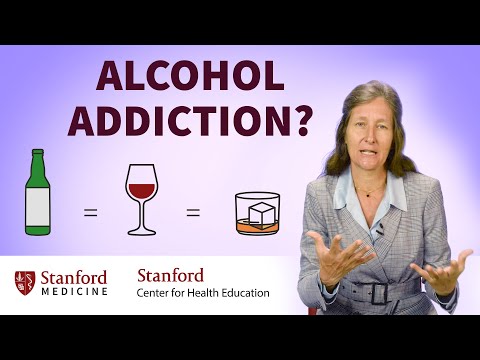
Hey, you ever noticed how people can get a bit… well, different when they drink? Yeah, I’m talking about those wild nights where one drink turns into five, and suddenly you’re not sure who you are anymore.
Este blog ofrece contenido únicamente con fines informativos, educativos y de reflexión. La información publicada no constituye consejo médico, psicológico ni psiquiátrico, y no sustituye la evaluación, el diagnóstico, el tratamiento ni la orientación individual de un profesional debidamente acreditado. Si crees que puedes estar atravesando un problema psicológico o de salud, consulta cuanto antes con un profesional certificado antes de tomar cualquier decisión importante sobre tu bienestar. No te automediques ni inicies, suspendas o modifiques medicamentos, terapias o tratamientos por tu cuenta. Aunque intentamos que la información sea útil y precisa, no garantizamos que esté completa, actualizada o que sea adecuada. El uso de este contenido es bajo tu propia responsabilidad y su lectura no crea una relación profesional, clínica ni terapéutica con el autor o con este sitio web.
Alcohol can mess with our heads in unpredictable ways. Sometimes it brings out the fun side. Other times? Not so much. Ever seen someone go from laughing to crying in like a minute?
So, what’s going on there? What makes some folks hit the bottle harder than others? And what are the real-life consequences that come crashing in after all that fun?
Let’s chat about the patterns we see with drinking, dig into what drives those behaviors, and explore why it matters. Buckle up!
Understanding the Patterns of Alcoholism: Key Psychological Factors and Behaviors
Alcoholism is complicated, and understanding its patterns can be a real eye-opener. People often think of it as just drinking too much, but you know what? There’s so much more going on under the surface. So, let’s break it down a bit.
Patterns of Alcohol Use
Alcohol use can swing wildly from social drinking to heavy use. Some folks might start with casual drinks at parties and then find themselves needing that drink to unwind after a tough day. It’s like leveling up in a game—once you hit a certain point, it becomes harder to go back.
The Psychological Factors
Now, here comes the tricky part: psychological factors are often at play too. There are underlying issues that can fuel drinking habits.
With each drink offering a momentary bliss from reality, it’s no wonder some get caught up in this cycle.
The Consequences
So what happens when these patterns turn into full-blown alcoholism? Well, the fallout is serious.
I remember this one friend who started isolating himself because his friends didn’t want to hang out anymore due to his behavior when he drank. It was tough seeing him push everyone away.
Coping Mechanisms
Sometimes people get stuck in cycles because they don’t know healthier coping mechanisms. Here are a few alternatives:
There’s this whole world of support available that many don’t tap into until things feel overwhelmingly heavy.
A Word of Caution
It’s really crucial here to emphasize one thing: if you or someone you know is struggling with alcoholism, reaching out for professional help is super important! There are experts who specialize in helping people navigate these waters and find their way back onto solid ground.
In short, recognizing these patterns and factors can help us understand why someone might develop an unhealthy relationship with alcohol. Awareness is key! The road towards recovery and healthier habits starts with acknowledging these behaviors—and hey—you don’t have to walk it alone!
Three Key Traits Common in Individuals Struggling with Alcoholism
- Impulsivity: One of the most noticeable traits is impulsivity. Imagine playing a game where you can make choices in an instant, but those choices often lead to unexpected consequences. People struggling with alcoholism might find themselves taking risks that others wouldn’t even consider. They may drink without thinking about how it could affect their relationships or responsibilities. It’s like they’re on autopilot, not fully aware of what they’re doing until it’s too late.
- Emotional Instability: Emotions can be all over the place for someone dealing with alcohol issues. You know how you can feel on top of the world one moment and then suddenly in the depths of despair? That’s kind of what happens here. Alcohol is often used as a coping mechanism, and while it might provide temporary relief, it doesn’t tackle the real feelings or problems underneath. It can feel like being on a rollercoaster you can’t get off of.
- Denial: This is a biggie! Many individuals might downplay their drinking habits or convince themselves they don’t have a problem at all, similar to when players in a game ignore their health bar and keep pushing ahead despite taking damage. They might say, “I’m just socializing,” or “It’s only a few drinks.” This denial stops them from seeking help or even recognizing that there’s an issue worth addressing.
So, what do these traits point to? Well, they highlight how complex alcoholism really is—it’s not just about drinking too much; it’s intertwined with behavior patterns and emotional challenges. And remember, while understanding these traits can be eye-opening for you or someone close to you, seeking professional help should always be the top priority if concerns arise.
Six Key Signs of a Functioning Alcoholic: Understanding the Behavioral Indicators
Alright, let’s chat about something that doesn’t get enough airtime: the concept of a functioning alcoholic. You might be wondering what that even means. Well, basically, it refers to someone who can hold down a job, maintain relationships, and look “normal” on the outside but is wrestling with an alcohol problem. So how do you spot these individuals? Here are six key signs to keep an eye on.
- Consistent Drinking Patterns: A functioning alcoholic often drinks daily. It might be a couple of beers after work or wine with dinner. On the surface, this might seem harmless—like just a habit—but it can create a slippery slope.
- Excuses for Drinking: They tend to have reasons for their drinking. Maybe it’s «to unwind» or «to cope with stress.» When asked about their drinking habits, they may downplay it, insisting it’s no big deal.
- Mood Swings: Alcohol can mess with emotions. Functioning alcoholics might flip from being jovial to irritable pretty quickly. You could notice this during social gatherings or even at home—one minute they’re laughing and the next they’re snapping at everyone.
- Poor Health but Denial: Many functioners will ignore signs of health issues linked to drinking like fatigue or weight changes. They might keep saying it’s just stress or they’re getting older, brushing off any concerns others raise.
- Secretive Behavior: If they start hiding how much they drink or lie about it, that’s a red flag! You know those moments when someone suddenly excuses themselves from a gathering? Most often than not, they’re sneaking in another drink.
- Affecting Relationships: Look around—are friends and family beginning to pull away? Alcoholism can really strain connections. You might see loved ones becoming frustrated or worried because the person prioritizes drinking over spending quality time.
You know what’s strange? Sometimes these folks can function well in society while living like this—it’s almost like being an actor in life’s drama! Take my friend Jake: he was funny, outgoing, and had a solid job but would hide vodka in his car’s trunk during lunch breaks. He didn’t think he had a problem because he was still getting by—but deep down, we all saw things unraveling.
This isn’t meant as some kind of diagnosis tool; spotting these signs doesn’t mean someone is definitively an alcoholic—they could just be going through tough times. If you suspect someone you care about is struggling with alcohol use, reaching out gently can make all the difference. But hey! Always remember that professional help is crucial for real change.
So there you have it—the behavioral indicators of a functioning alcoholic! Keep these in mind as you navigate your social circles—you never know when your awareness might help someone take that first step toward change!
So, let’s talk about alcohol and the ways it can shape behavior. It’s a pretty common thing, right? I mean, whether it’s a casual drink with friends or a nightcap to unwind, alcohol is everywhere. But then there are those times when drinking goes beyond just socializing or relaxation.
I remember this one time during college when my buddy Jake just couldn’t seem to stop at one drink. At first, it didn’t seem like a big deal. We all laughed it off as him just having a good time. But as the nights rolled on, Jake became this totally different person—funny and loud one moment, then suddenly angry or sad the next. It was kinda wild to watch him change like that, and honestly, it made me think about how alcohol can really twist our behavior.
You know what? There are some patterns that often pop up with alcoholic behavior. People might drink more when they’re stressed or feeling down. It’s like they think that alcohol will help them escape from their problems for a bit—sort of like putting on rose-colored glasses. And let’s be real; sometimes it feels good in the moment, but what happens later? Usually regret kicks in hard.
Then there are the social aspects too! If you’re hanging out with people who drink heavily, you might find yourself joining in just to fit in or have fun. It’s almost like you’re part of an unspoken pact: “We’re here to party; let’s go all out!” But that can lead to some seriously risky situations and behaviors—like driving under the influence or saying things you didn’t really mean.
As for causes, they can be super varied—genetics might play a role (like if someone in your family struggled with addiction), but so can your environment and social circles. You may notice that the people around you influence your drinking habits more than you’d think!
The consequences? Wow, they can be pretty intense—ranging from health issues like liver damage to mental health problems such as anxiety and depression—it’s not just physical stuff either! Relationships can suffer too; friends might drift away if they feel overwhelmed by your drinking habits.
In my old buddy’s case, things spiraled for him after college; he hit rock bottom before he started getting help. It was heartbreaking watching someone so fun turn into someone who seemed lost. But I guess that’s where resilience comes into play—you have to face those demons head-on.
All in all, understanding these patterns and consequences is super important if you’re looking out for yourself or someone close to you who might be struggling with their relationship with alcohol. Drinking is fine in moderation; we all enjoy celebrating life now and then! Just pay attention to those warning signs—you never know what kind of impact they could have down the road!