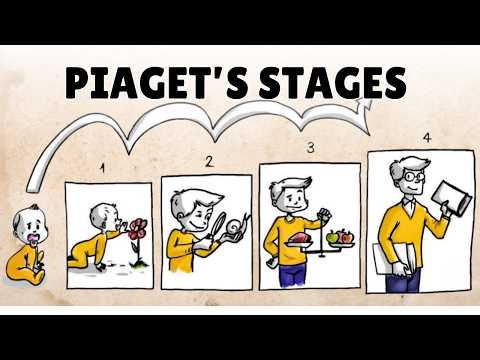
Hey, you! Let’s chat about this super interesting thing called Piaget’s Learning Theory. Ever heard of it?
Este blog ofrece contenido únicamente con fines informativos, educativos y de reflexión. La información publicada no constituye consejo médico, psicológico ni psiquiátrico, y no sustituye la evaluación, el diagnóstico, el tratamiento ni la orientación individual de un profesional debidamente acreditado. Si crees que puedes estar atravesando un problema psicológico o de salud, consulta cuanto antes con un profesional certificado antes de tomar cualquier decisión importante sobre tu bienestar. No te automediques ni inicies, suspendas o modifiques medicamentos, terapias o tratamientos por tu cuenta. Aunque intentamos que la información sea útil y precisa, no garantizamos que esté completa, actualizada o que sea adecuada. El uso de este contenido es bajo tu propia responsabilidad y su lectura no crea una relación profesional, clínica ni terapéutica con el autor o con este sitio web.
It’s all about how kids think and learn as they grow up. Seriously, it’s like watching a little brain evolve in real-time!
You know, I was thinking back to when my niece was trying to figure out how to stack blocks. She was so focused!
That moment reminded me of Piaget’s stages. It’s wild how kids go through these phases that shape their understanding of the world. So, let’s unpack this together!
Understanding the Stages of Cognitive Development: A Simple Guide
Cognitive development is a fascinating journey that we all go through. It’s like leveling up in a video game, but instead of collecting coins or battling monsters, you’re acquiring skills to think and understand the world around you. One of the main players in this field is Jean Piaget, a Swiss psychologist who came up with a theory about how our thinking develops as we grow. Let’s break it down into some key stages.
1. Sensorimotor Stage (Birth to 2 years)
In this stage, babies explore their world through their senses and actions. They learn by touching, seeing, and moving things around. Think about how babies will put everything in their mouths to understand it better! Around 8 months old, they also start to develop object permanence – realizing that things still exist even when they can’t see them anymore. It’s kinda like when you hide your favorite toy under a blanket; the baby might think it’s gone forever until they find it again.
2. Preoperational Stage (2 to 7 years)
Here comes the fun part! Kids begin to use language and symbols to represent objects. They get super creative with their imagination during pretend play, often seeing the world only from their perspective – this is called egocentrism. Like when your child insists that everyone loves broccoli because they do! In this stage, kids also struggle with understanding concepts like conservation; for example, if you pour juice from a short glass into a tall one, they might think there’s more juice just because it looks different.
3. Concrete Operational Stage (7 to 11 years)
During this period, children start thinking logically about concrete events but still have difficulty with abstract concepts. They can now understand operations like addition and subtraction really well! Imagine playing board games where kids have to follow rules or strategize; that kind of logical thinking blooms here. They also grasp conservation better—so now when you pour that juice back into the original glass, they’ll see there’s still the same amount!
4. Formal Operational Stage (11 years and up)
This stage unlocks abstract thinking and problem-solving abilities! Teenagers can now think about hypothetical situations and moral dilemmas—like pondering if it’s ever okay to lie. Discussions about future plans or complex topics gain depth during this time as they can consider multiple viewpoints or outcomes at once.
These stages don’t happen in isolation; rather they interact continuously throughout our lives as we learn new things and experiences shape our understanding of the world.
It’s important to remember that Piaget’s theory offers a framework for thinking about cognitive development but doesn’t fit every individual perfectly. Everyone’s journey is unique! If you’re curious about how your own cognitive skills developed or want support with learning challenges for yourself or others around you—consulting with professionals is always best!
Anyway, understanding these stages not only helps educators tailor learning experiences but also lets parents appreciate how kids perceive things differently at various ages—just remember: we all learn at our own pace!
Understanding the 4 Stages of Cognitive Learning Theory: A Comprehensive Overview
So, let’s talk about the **four stages of cognitive learning** according to Piaget. You know, his theory is like a roadmap for how kids (and honestly, all of us) learn and grow in understanding. It’s pretty cool stuff. Here’s a breakdown of the stages:
1. Sensorimotor Stage (0-2 years)
During this stage, babies figure out the world through their senses and actions. They’re like little explorers! Think about how a baby puts everything in their mouth or shakes things to see what happens. They’re developing what Piaget called **object permanence**, which is basically realizing that objects still exist even when they can’t see them anymore. It’s kinda like playing peek-a-boo—when you hide your face, they don’t think you’ve disappeared forever.
2. Preoperational Stage (2-7 years)
Now we get to the fun part—imagination! Kids start using language and symbols here but can be a bit egocentric as they view the world only from their own perspective. Like when a child believes that if they can’t see you, you can’t see them either—it’s adorable and confusing at the same time! They also play pretend games; one minute they’re a doctor, and the next they’re saving a kingdom from dragons.
3. Concrete Operational Stage (7-11 years)
At this point, kids begin thinking more logically but still need concrete examples to help them understand abstract concepts. You know those math problems where they need actual objects to count? That’s just it! For instance, if you had three apples and took one away in front of them, some may struggle with understanding that one apple taken away means only two are left until they’ve actually seen it happen with real apples.
4. Formal Operational Stage (12 years and up)
Finally! Now we’re talking critical thinking and abstract concepts—woohoo! Teens start thinking about possibilities and hypothetical situations. It’s like pulling out those big ideas from games like chess or complex role-playing games where strategy plays a massive role in outcomes. They can ponder moral dilemmas or dive deep into scientific theories without needing physical examples first.
So there you have it—a quick ride through Piaget’s cognitive development stages! Each stage builds upon the last, helping kids make sense of their world more effectively over time.
And hey, while this info is super interesting for understanding developmental psychology in children (or even adults), remember it’s just general knowledge—not professional help or advice for specific issues you might be facing personally or with someone else.
Let me know what you think—what stage do you find yourself relating to?
Key Points of Piaget’s Schema Development Theory: Understanding Cognitive Growth in Children
Piaget’s Schema Development Theory is a fascinating lens through which we can understand how kids grow and learn. Basically, it revolves around how children develop mental models, or «schemas,» to make sense of the world around them. Let’s break it down a bit.
- What is a Schema? Think of a schema as a mental container. It holds all our knowledge about the world, like what a dog is or how to ride a bike. Kids create schemas from their experiences.
- Assimilation and Accommodation: These are two key processes in Piaget’s theory. Assimilation happens when you take new info and fit it into an existing schema. For example, if a kid who knows what a cat is sees a lion for the first time, they might say, “Look! A big cat!” Accommodation, however, is when new info doesn’t fit any existing schema, so the kid has to change their understanding. So in this case, they’d need to learn that lions are not just big cats; they are different creatures altogether.
- The Stages of Cognitive Development: Piaget identified four stages of cognitive growth:
- Sensorimotor Stage (0-2 years): In this stage, babies learn through their senses and actions. They touch, taste, and explore everything! A fun game for this age could be peek-a-boo—it helps them understand object permanence!
- Preoperational Stage (2-7 years): Here, kids start using language and begin thinking symbolically. But their thinking is still pretty egocentric; they struggle to see things from others’ perspectives. It’s like playing dress-up: they can imagine being someone else but can’t really grasp how that person might feel.
- Concrete Operational Stage (7-11 years): Now we’re getting to more logical thinking! Kids start understanding concrete concepts of time and space. They can sort objects by size or color—basically mastering things like putting puzzles together!
- Formal Operational Stage (12 years and up): In this final stage, abstract thinking kicks in. Teens can think about hypothetical situations and use deductive reasoning. It’s like debating what superhero would win in a fight—lots of reasoning happening there!
- Cognitive Conflict: Sometimes kids hit walls during learning—that’s called cognitive conflict! Imagine your child trying to fit round blocks into square holes; they’ll realize something’s off! This experience helps them rethink their schemas—and that boosts their learning.
- The Role of Social Interaction: Piaget believed that interaction with peers can spark more advanced thinking. When kids debate over rules in games like tag or Monopoly—guess what? They’re not just playing; they’re developing cognitive skills!
So there you have it—a peek into Piaget’s theory on how children learn and grow cognitively through schemas! It’s pretty mind-blowing when you think about how these simple processes shape the way we understand everything around us.
And remember: while understanding these concepts is super helpful for parents or educators, it’s important not to replace professional guidance with online info alone if needed!
You know, when I first stumbled across Piaget’s Learning Theory, I was in this psychology class trying to wrap my head around how kids think and learn. It felt a bit like unfolding a roadmap, with each stage making more sense as we went along. Piaget broke down cognitive development into four stages – and honestly, it was like seeing the world through a kid’s eyes.
The first stage is the Sensorimotor Stage. Picture this: a baby exploring their world through touch and sight. They’re like little explorers, right? They don’t really understand that things exist even when they can’t see them. That’s why they get all excited when you play peek-a-boo! It’s such a simple game but, to them, it’s pure magic.
Then we move on to the Preoperational Stage. This is where kids start using language and symbols but still think in pretty concrete terms. I remember my niece at this age – she had this wild imagination. One minute she’d be a princess in her room, and next she was saving stuffed toys from an imaginary dragon! But logic? Not quite there yet. If you told her two apples and two oranges made four pieces of fruit, she’d probably stare at you like you just spoke another language!
Next up is the Concrete Operational Stage. Around ages 7 to 11, kids begin to think logically about concrete events. They start understanding concepts of time, space, and quantity much better! You could see my nephew getting into math during this phase—counting his Lego blocks with such pride because he figured out how to add them all up! But ask him about abstract stuff or hypothetical situations? And he’d freeze up like he just saw a ghost!
Finally, we reach the Formal Operational Stage—around 12 and beyond—where abstract thinking takes off. Here’s where teens can think about hypothetical problems and use deductive reasoning like pros! I once had an argument with my friend about morality and ethics during high school; we were throwing around ideas that felt almost philosophical for our age! It was exciting but definitely messy sometimes.
So yeah, Piaget’s theory isn’t just some dry textbook concept; it’s all about real-life experiences that shape how kids understand their world step by step. Seriously makes you appreciate the journey from those wobbly beginnings to capable thinking young adults! It’s amazing how these stages lay the foundation for learning throughout life; they subtly guide us into becoming who we are today! Cool thought, right?