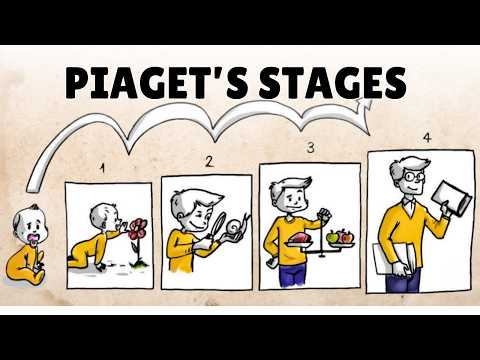
So, you know how kids seem to see the world totally differently than adults? It’s like they have their own set of rules and logic. That’s where this dude, Jean Piaget, comes in.
Este blog ofrece contenido únicamente con fines informativos, educativos y de reflexión. La información publicada no constituye consejo médico, psicológico ni psiquiátrico, y no sustituye la evaluación, el diagnóstico, el tratamiento ni la orientación individual de un profesional debidamente acreditado. Si crees que puedes estar atravesando un problema psicológico o de salud, consulta cuanto antes con un profesional certificado antes de tomar cualquier decisión importante sobre tu bienestar. No te automediques ni inicies, suspendas o modifiques medicamentos, terapias o tratamientos por tu cuenta. Aunque intentamos que la información sea útil y precisa, no garantizamos que esté completa, actualizada o que sea adecuada. El uso de este contenido es bajo tu propia responsabilidad y su lectura no crea una relación profesional, clínica ni terapéutica con el autor o con este sitio web.
He was all about figuring out how kids think and grow. Seriously cool, right? He came up with these stages of development that explain how our brains evolve as we age.
Like, at one point, a toddler might believe that if you can’t see something, it doesn’t exist. Can you imagine thinking like that? It’s wild!
Anyway, hang tight! We’re gonna break down those stages so you can totally get what’s going on in that amazing head of yours or your little ones’. Buckle up!
Understanding Cognitive Development Through Piaget’s Stages of Development
So, let’s chat about cognitive development and the genius behind it: Jean Piaget. This guy really knew how to break things down. He proposed that our thinking evolves through four stages, and each stage builds on what came before. Pretty neat, right?
1. The Sensorimotor Stage (Birth to about 2 years)
In this stage, babies learn about the world through their senses and actions. They touch, see, hear, and taste everything they can reach! It’s like they’re little sponges soaking up info. They also develop something called object permanence— this is when they realize that just because they can’t see something doesn’t mean it’s gone forever. For example, playing peek-a-boo helps with that understanding!
2. The Preoperational Stage (Ages 2 to around 7)
During these years, kids start to think symbolically but still struggle with logic. Imagine a child pretending a broom is a horse; that’s their imagination at work! But here’s the catch: they’re still very egocentric—meaning they can only see things from their perspective. If you cover your eyes and ask them if you can see them, they might say no! They don’t get that you can’t see them just because they can’t see you.
3. The Concrete Operational Stage (Ages 7 to 11)
Here, things start getting more logical! Kids become better at solving problems but often need concrete examples—they’re not ready for abstract thought yet. Say you have two identical balls of clay and flatten one; kids in this stage will know that quantity hasn’t changed even though it looks different—that’s conservation in action! Games like board games become more meaningful here since kids begin grasping rules and strategies.
4. The Formal Operational Stage (Ages 12 and up)
At this point, teens can think abstractly. They can ponder hypothetical situations or solve complex problems without physical objects to manipulate—pretty wild stuff! Like discussing moral dilemmas or scientific theories becomes second nature for them now. It’s almost like flipping a switch from concrete thinking to a universe of possibilities!
All in all, Piaget’s stages help us understand how we grow intellectually over time—and yeah, while these stages are broadly applicable, every kid develops at their own pace. So be patient with yourself or any little ones in your life who might still be figuring things out!
It’s totally important to remember that if you’re ever concerned about cognitive development (like whether a kid is hitting these milestones), checking in with a professional is key! But understanding Piaget’s work gives insight into how we all approach learning as we grow up—it’s fascinating stuff!
Stages of Cognitive Development Explained in Simple Terms
Alright, let’s chat about the stages of cognitive development. This concept comes from a super smart dude named Jean Piaget. He basically laid out how our thinking changes as we grow up, and it’s pretty interesting stuff. So, here’s the scoop on Piaget’s four stages:
- Sensorimotor Stage (0-2 years): This is where babies learn through their senses and actions. They’re like little explorers! You can see them touching everything, tasting stuff, or even shaking their toys. They don’t really understand that things still exist when they can’t see them, which is called object permanence. Imagine playing peek-a-boo; when you hide your face, the baby thinks you’re gone for good!
- Preoperational Stage (2-7 years): This stage is all about imagination. Kids start using words and pictures to represent things but can struggle with logic. Picture a toddler playing dress-up— they think they are real superheroes! However, they might not get that others have different viewpoints; they’re pretty focused on their own thoughts. It’s like if your kid insists that their favorite toy has feelings just like them!
- Concrete Operational Stage (7-11 years): Here’s where thinking becomes more logical but still tied to real objects or experiences. Kids can now understand concepts like conservation—meaning if you pour juice from a tall glass into a short one, it’s still the same amount! Board games become great at this age because kids are starting to strategize and reason with rules.
- Formal Operational Stage (12 years and up): In this last stage, teenagers become capable of abstract thought and hypothetical reasoning. They can think about possibilities—not just what is right in front of them. So stuff like debating morals becomes easier for them! It’s kind of like discussing big ideas while playing a game of chess; they can think many moves ahead.
The thing is, each stage builds on the previous one—you don’t just jump from one to another without passing through them all (kind of like climbing a staircase). As children interact with their world and experience new things, they’re constantly developing these cognitive skills.
Let’s say you’ve got a 5-year-old who believes they can fly because they’ve seen superheros do it in movies—that’s typical preoperational thinking! Or think of an 8-year-old working hard to figure out how many different ways he can arrange his LEGO blocks—that’s concrete operational at its best!
Just remember though: every kid develops at their own pace. While these stages are pretty common benchmarks, don’t stress if your child seems a little behind or ahead—it doesn’t mean anything bad.
To wrap this up just keep in mind that understanding these stages isn’t just academic mumbo jumbo; it helps you connect better with your kids as you guide them through learning about the world around them. And hey—always consult someone pro if you’re worried about your child’s development; I mean that seriously!
Understanding Cognitive Development Theory: A Simple Explanation
Hey you, let’s talk about cognitive development theory, specifically Jean Piaget’s ideas, which are pretty fascinating. Alright, buckle up!
Cognitive development is like a mental growth spurt! It describes how our thinking changes and matures from childhood to adulthood. Piaget thought kids aren’t just mini-adults; they think differently at various ages. He broke it down into four key stages, each with its own unique characteristics.
- Sensorimotor Stage (0-2 years): This is where babies learn through their senses and actions. They touch stuff, taste everything, and watch the world. A cool example? When a baby realizes that if they drop a toy, it’ll fall down! They’re starting to understand cause and effect.
- Preoperational Stage (2-7 years): In this stage, kids begin to use language but still think very literally. They’re super imaginative! You know how when kids play pretend? A stick becomes a sword or an airplane. But they often struggle with understanding other people’s perspectives—like how two people can see the same thing but think very differently about it.
- Concrete Operational Stage (7-11 years): Here’s where things start getting a bit more organized in their brains. Kids begin to think logically about concrete events. For example, if you have two equal balls of clay and flatten one into a pancake shape while keeping the other round, they can understand that both have the same amount of clay—a nice little step towards grasping concepts like conservation.
- Formal Operational Stage (12+ years): Finally! Teens can think abstractly and reason through complex problems. They can ponder hypothetical situations like “What if…” scenarios. Like when teenagers discuss global issues or moral dilemmas—this stage brings deeper thinking about life and its complexities.
What’s awesome is that Piaget believed children actively build their own understanding of the world instead of just soaking knowledge up like sponges! It’s like they’re little scientists exploring everything around them.
So anyway, let’s circle back for a second—these stages aren’t strict boxes with hard edges; kids might hop around between them depending on different factors like experiences or educational opportunities.
This isn’t just theory—it has real-life implications too! For instance, education systems can use this framework to tailor learning activities suited for each stage—from sensory play for toddlers to debate topics for older students.
And hey, remember: while understanding cognitive development is super useful for parents or educators, it doesn’t replace any professional help when needed. If you ever feel outta your depth with these stages or your child’s development seems off track, seeking advice from experienced folks is always the best route!
All in all, Piaget’s insights give us valuable tools to understand how we grow mentally from tiny tots to full-on adults thinking deep thoughts. Pretty wild stuff!
So, let’s chat about Jean Piaget and his cognitive stages of development. You know, Piaget was this brilliant dude who really dug into how kids think and learn. His ideas totally changed the game in psychology, especially when it comes to understanding child development. But instead of getting all technical and academic on you, let’s break it down like we’re just hanging out.
Piaget proposed that kids go through four distinct stages as they grow up. It’s kind of like leveling up in a video game, but instead of getting new powers or abilities, they’re gaining ways to understand the world around them. The first stage is called sensory-motor; it’s where babies pretty much learn everything through their senses. I remember when my little nephew was a baby—he’d touch everything and shove stuff into his mouth. It seemed messy, but he was just trying to figure things out!
Then we hit the preoperational stage around ages two to seven. Here’s where kids start using symbols to represent things—like when they pretend a banana is a phone! They get imaginative but might struggle with logic and understanding other people’s viewpoints. I mean, there was this time my niece insisted that her stuffed bear was upset because «it didn’t want to be left out.» She honestly believed that! Sweet and also kind of hilarious.
After preoperational comes concrete operational, which usually hits between ages seven and eleven. Kids start thinking more logically about concrete events—they grasp concepts like conservation (nope, pouring juice from one glass into another doesn’t change the amount!). It’s like they get this cool upgrade for their brains where they can start solving problems and understand things in a more structured way.
Finally, we reach the formal operational stage around age twelve and up; This is when abstract thinking kicks in big time! Teens can handle hypothetical situations and think about possibilities—like debating over whether aliens exist or pondering existential questions about life (you know how deep they can get!). Remember those late-night chats we had back in high school?
Of course, not every kid fits perfectly into these stages at exactly the right time; some might rush ahead or lag behind a bit—and that’s totally okay! Life’s not a race, right? The takeaway here is that Piaget painted this amazing picture of how our minds develop through different phases as we grow. So next time you see kiddos doing their thing—playing pretend or figuring out how many cookies fit in their hands—remember they’re on an incredible journey of development! Isn’t that kind of awesome?