Empathy, huh? It’s one of those words we hear tossed around all the time. People seem to think it’s the golden ticket to connection. But, wait a second! What if I told you that maybe, just maybe, empathy isn’t all it’s cracked up to be?
Este blog ofrece contenido únicamente con fines informativos, educativos y de reflexión. La información publicada no constituye consejo médico, psicológico ni psiquiátrico, y no sustituye la evaluación, el diagnóstico, el tratamiento ni la orientación individual de un profesional debidamente acreditado. Si crees que puedes estar atravesando un problema psicológico o de salud, consulta cuanto antes con un profesional certificado antes de tomar cualquier decisión importante sobre tu bienestar. No te automediques ni inicies, suspendas o modifiques medicamentos, terapias o tratamientos por tu cuenta. Aunque intentamos que la información sea útil y precisa, no garantizamos que esté completa, actualizada o que sea adecuada. El uso de este contenido es bajo tu propia responsabilidad y su lectura no crea una relación profesional, clínica ni terapéutica con el autor o con este sitio web.
I mean, think about it. How often do you feel overwhelmed by another person’s pain? You want to help, but it can feel like too much. You end up feeling drained or even confused about your own feelings.
Here’s something wild: some folks argue that empathy can actually lead us down the wrong path. So instead of just accepting everything at face value, what if we started questioning our gut reactions? Sounds intriguing, right?
In this journey, we’ll dive deep into what compassion really means. We’ll explore why rethinking how we approach our emotions and those of others could be a game-changer for all of us. Buckle up!
“Understanding the Distinction: Can One Show Compassion Without Empathy?”
You might think that compassion and empathy are like, two peas in a pod. But let’s pump the brakes for a sec. The truth is, they’re not the same thing at all! So, can one show compassion without empathy? Absolutely. Let’s dive into what this means.
Compassion is basically like feeling for someone. It’s when you see someone hurting and your heart goes out to them. But here’s the kicker: you don’t necessarily have to feel what they’re feeling to be compassionate. You can recognize their suffering and want to help them without stepping into their shoes.
On the other hand, empathy is all about connecting with that deep emotional experience. It’s like being on the same wavelength as someone else’s feelings; you kind of feel their pain inside you. So, while they dance together sometimes, they’re still distinct characters in the drama of human emotion.
Think of it like this: imagine you’re playing a video game where your character gets hurt. You might not be feeling every bruise your avatar takes (that would be empathy), but you can still feel bad about it and want to help them out by healing or fixing things (that’s compassion).
Here are some key points to chew on:
- Compassion is action-oriented. It drives people to help others even if they don’t fully understand what the person is going through.
- Empathy requires emotional connection. When you empathize, you’re deeply aware of someone’s feelings—you feel similar emotions.
- You can care without comprehension. It’s totally possible to offer support without having experienced a similar situation yourself.
- This distinction matters. Recognizing that compassion does not always require empathy allows us to extend help even when we can’t relate directly.
Let me share something personal here—last year, my friend was facing some tough times at work. I couldn’t fully grasp her situation because I hadn’t been in her shoes before. But I felt awful for her struggles. Instead of wallowing in my own inability to understand what she was going through, I just listened and offered support where I could: making dinner or just hanging out together on tough days—that was my way of showing compassion.
Now, it’s super important to note that while both qualities can enhance our relationships and healing processes among people, leaning too much on either side has its consequences too. Too much empathy can lead us into emotional burnout; too little may come off as coldness or detachment.
So looking at this idea from another angle—some argue that focusing on compassion over empathy might actually lead us toward healthier relationships! Maybe it’s about looking outwards instead of letting ourselves get lost in someone else’s pain.
In case you’re wondering about professional help? If you’re struggling with these feelings yourself or want more clarity on your emotions—all good reasons to reach out! Complicated stuff deserves attention from experts who really know their stuff.
All in all, understanding how compassion functions independently from empathy opens up new paths for kindness and support that don’t weigh us down emotionally—think about how refreshing that sounds!
Henry Ford’s Insights on Empathy: Understanding His Perspective and Impact
Hey there! So, let’s talk about something pretty interesting: Henry Ford’s perspective on empathy. You might know him for his groundbreaking work in the automotive industry, but he had some thoughts on empathy that really make you stop and think.
Ford believed that empathy can sometimes cloud judgment. This concept is intriguing because it flips the usual script on compassion and understanding. You know how we often think of empathy as a wonderful trait? Well, Ford thought it could lead to poor decision-making. It’s like being too caught up in the feelings of others might distract you from making the best call for everyone involved.
And here’s a little dive into his ideas:
- Empathy versus Objectivity: Ford argued that being overly empathetic can prevent us from seeing situations clearly. If you’re too emotionally involved, your ability to analyze facts logically may take a hit.
- Business Decisions: He felt that decisions in business should be based more on reason than emotions. For instance, if a company is struggling, showing empathy might mean giving time and support when, maybe, a tough restructure is what’s needed.
- Focus on Efficiency: In Ford’s world, efficiency was king. He believed that instead of sympathizing with individuals who couldn’t keep up in the fast-paced business environment, one should focus on systems and processes that enhance productivity.
Now, this doesn’t mean he was against showing compassion completely! It’s just about knowing when to switch gears from feeling to action.
Here’s a little story for you: Imagine you’re playing basketball with friends. One player keeps missing shots. You feel bad for them and want to cheer them up or even let them take extra shots just so they feel better. But what if that leads your team to lose? Sometimes stepping back and reminding everyone about teamwork could be more beneficial than just comforting one person in their moment of need.
Ford’s insights can apply beyond business too; think about personal relationships or even community dynamics. Yes, understanding people’s feelings is essential—but striking a balance is key.
So basically, Ford gives us food for thought about how we navigate our interactions with others. It’s not always easy to find that sweet spot between empathy and objective reasoning!
But hold on—you know this doesn’t replace professional help if someone really needs guidance. Just keep this perspective in mind as you explore how we connect with each other!
“Rethinking Compassion: Insights and Quotes on the Limitations of Empathy in Human Behavior”
Compassion is like a warm hug, you know? It’s that feeling that pulls at your heartstrings when someone else is hurting. We often see it as a superpower—something that can heal and connect us. But what if I told you that sometimes, empathy might not be the best way to approach human behavior? Let’s rethink this together.
Some folks argue that too much empathy can actually cloud our judgment. It’s like being so engrossed in a video game that you forget about the real world around you. You might be deeply engaged with the character’s struggles but lose track of how those stories affect your own life. Here are some key insights:
- Empathy Can Be Selective: We tend to feel for people we’re close to or who remind us of ourselves. That can lead to ignoring others who also suffer but don’t resonate with us.
- Emotional Burnout: When you constantly absorb others’ pain, it can drain your emotional battery faster than a phone on low power. That’s real! Sometimes, stepping back is necessary.
- Judgment Impairment: Being too emotionally involved might mess with our ability to make rational decisions. Kind of like how gamers may prioritize in-game achievements over their actual goals.
Think about it: You’re at a party, and there’s someone in the corner looking sad. You’d naturally want to reach out, which is great! But if you dive into their emotions without keeping your own balance, it might lead to misunderstandings or even worsen their situation.
One popular idea coming from this perspective is effective altruism. This concept suggests we focus on helping people based on evidence and reason rather than just emotional responses. Imagine playing a strategic game where you gather resources wisely instead of just rushing in without thinking!
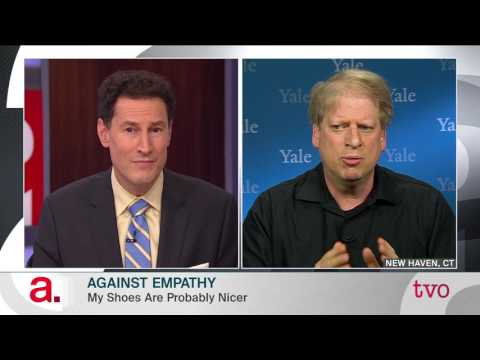
And let me throw in an interesting quote here from Paul Bloom, who wrote «Against Empathy.» He said something along the lines of how empathy narrows our view. Instead of seeing the bigger picture, we get fixated on individual stories or faces—like getting stuck on one level instead of moving up!
So what should we do instead? Here are some actionable insights:
- Cultivate Compassion: Try practicing compassion rather than empathizing completely with someone’s pain. This means caring for them while maintaining your perspective.
- Focus on Solutions: Rather than getting caught up solely in emotions, look for ways to help solve problems practically.
- Acknowledge Your Limits: It’s perfectly okay not to feel everything all the time! Just because someone else is suffering doesn’t mean you have to carry all their pain.
In essence—if empathy serves as diving deep into someone else’s feelings, compassion lets us float above, giving us room to observe and act wisely. So yeah, rethinking compassion isn’t about ditching empathy altogether; it’s more like finding the right balance.
Remember though: While it’s cool to explore these ideas and understand human behavior better, they don’t replace seeking help from professionals when times get tough for yourself or others around you. Sometimes reaching out for support is the most compassionate thing we can do!
Empathy is one of those buzzwords, right? It’s like, everyone’s talking about it. If you scroll through social media or even just chat with friends, you’ll hear people praise empathy as this magical solution to all human conflicts. But let’s pause for a minute and reconsider what that really means. Maybe it’s not as straightforward as we think.
I remember this time in college when a friend was going through a rough patch. He would share these heartbreaking stories about his family issues. I wanted to be there for him, so I listened intently, nodding my head like a bobblehead doll, and thinking I was doing the right thing by feeling his pain. But, honestly? It felt overwhelming for both of us. Instead of helping him, I ended up feeling drained and kind of helpless to change anything.
It turns out that empathy can sometimes lead us into murky waters. Sure, feeling someone else’s pain can foster connection—but it can also cloud our judgment or even lead to burnout. You know what? It’s not just draining; it can also create this cycle where we’re constantly absorbing other people’s emotions instead of stepping back and offering real support.
Now there are thinkers out there who argue for something called “compassion,” which is like empathy’s more balanced sibling. Compassion involves recognizing someone’s suffering and wanting to help them without being steeped in their emotional turmoil. Instead of drowning in the sadness with them, compassion allows you to offer practical support or just be present without the weighty emotional baggage.
Here’s something interesting: research shows that focusing on compassion rather than pure empathetic feelings tends to lead to better outcomes for everyone involved—like less fatigue on our part and more effective assistance for people who need it.
So why do we still cling to empathy? Well, maybe it feels more noble or profound to really feel someone else’s emotions. But next time you’re faced with someone suffering—whether it’s your best friend or a stranger—maybe try taking a step back first. Ask yourself how you can offer support while still maintaining your own well-being.
In the end, we’re all human beings trying to navigate this wild world together. Balancing our emotions while being genuinely supportive is tricky but important too! What do you think? It’s like finding a middle ground between feeling too much and feeling enough. You with me?