You know, have you ever thought about how kids figure out what’s right and wrong? It’s kind of wild, right?
Este blog ofrece contenido únicamente con fines informativos, educativos y de reflexión. La información publicada no constituye consejo médico, psicológico ni psiquiátrico, y no sustituye la evaluación, el diagnóstico, el tratamiento ni la orientación individual de un profesional debidamente acreditado. Si crees que puedes estar atravesando un problema psicológico o de salud, consulta cuanto antes con un profesional certificado antes de tomar cualquier decisión importante sobre tu bienestar. No te automediques ni inicies, suspendas o modifiques medicamentos, terapias o tratamientos por tu cuenta. Aunque intentamos que la información sea útil y precisa, no garantizamos que esté completa, actualizada o que sea adecuada. El uso de este contenido es bajo tu propia responsabilidad y su lectura no crea una relación profesional, clínica ni terapéutica con el autor o con este sitio web.
Jean Piaget had some pretty cool ideas about this. He looked at how children develop their sense of morality in stages. It’s like they’re climbing a ladder, each step bringing new understanding.
So, what does this all mean for us today? Well, knowing these stages can help us understand our own actions and the choices of those little ones around us. Curious yet? Let’s jump into it!
Exploring the Implications of Piaget’s Theory on Child Development and Learning
Piaget’s theory is a big deal in understanding how kids learn and grow. His ideas about moral development are super interesting because they help us see how children think about right and wrong as they grow up.
1. Stages of Moral Development
Piaget proposed two main stages in moral development: **Heteronomous morality** and **Autonomous morality**. In the first stage, kids see rules as fixed and unchangeable. They think that what adults say is the law, and breaking those rules leads to punishment. For instance, if a child breaks their mom’s favorite vase, they may feel really guilty because they believe they’ve done something terrible.
Then comes the second stage. Here, kids start realizing that rules can be negotiated or changed—especially if they seem unfair, you know? They understand that intentions matter too! So if a kid accidentally spills juice while reaching for a cup, they don’t feel guilty like before; instead, they know it was an accident.
2. Implications for Learning
Understanding these stages is crucial for parents and teachers. Knowing where a child falls in this moral development helps create an effective learning environment.
- Encouraging dialogue: When working with kids in the autonomous stage, encouraging discussions about feelings can help them think critically about decisions.
- Lesson plans: Teachers might design activities where students work together to solve problems, helping them negotiate and empathize with one another.
- Avoid harsh punishments: Recognizing the difference between intention and action can lead to better discipline strategies—like discussing mistakes rather than punishing them outright.
3. Examples in Real Life
Take a game of «Simon Says,» for instance! Kids often follow directions without questioning why; they’re in that heteronomous stage. But once they hit around 7 or so years old? They might start changing or bending the rules themselves based on what seems fairer or more fun.
It’s fascinating how Piaget’s theory isn’t just academic—it affects real life! Think about when you’re teaching your kiddos right from wrong through stories or games. You’re not just handing down rules; you’re helping shape their understanding of fairness based on where they are developmentally.
The Bigger Picture
So when diving into Piaget’s theory on moral development and its implications on learning, remember it guides how we interact with children at different ages. It’s all about adjusting your approach based on their level of understanding.
And always keep it real: these insights don’t replace professional advice if you need extra support navigating tricky areas of child development—those folks are there to help!
Remember though, exploring these stages isn’t just academic mumbo-jumbo; it reflects how we can nurture compassion and justice in future generations!
Understanding Piaget’s Stages of Cognitive Development: Implications for Curriculum Design and Educational Practice
So, let’s chat about Piaget’s Stages of Cognitive Development and how they can totally impact school stuff. I mean, look at it this way: understanding how kids think is like having a roadmap to making learning better for them. This theory helps teachers design lessons that match where a child is in their thinking process.
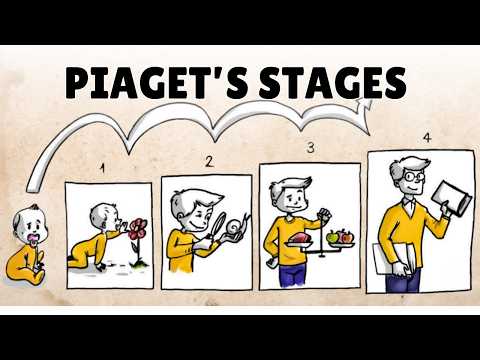
Piaget’s theory breaks down cognition into four stages:
- Sensorimotor Stage (0-2 years): During this stage, babies learn through their senses and actions. They explore the world by touching, seeing, and hearing—like how kids might shake a rattle to see what sound it makes.
- Preoperational Stage (2-7 years): Here, children start using language and symbols but still think very literally. Imagine kids playing house; they make up stories and roles but might not yet grasp that one toy could represent something else.
- Concrete Operational Stage (7-11 years): This one’s all about logical thinking. Kids can understand concrete concepts but still struggle with abstract ideas. For example, they can calculate that if you have two apples and someone gives you another one, you have three now!
- Formal Operational Stage (12+ years): Finally! Teens begin to think abstractly and critically. They can ponder hypothetical situations—like discussing what would happen if humans couldn’t breathe air or dream up possibilities for the future.
So what’s the deal with these stages? Well, for curriculum design and teaching methods, knowing where your students are can really shape how you introduce new concepts.
For example, let’s say you’re teaching math. In the Concrete Operational Stage, using actual blocks or beads allows kids to physically manipulate objects to learn addition or subtraction instead of just using numbers on paper—this makes it tangible for them!
And here’s another thought: in the Preoperational Stage, storytelling can be super effective! Teachers could use stories with moral dilemmas to spark discussion among younger kids about right and wrong as part of their moral development too.
Now onto Piaget’s Theory of Moral Development—kinda fits in here nicely! He suggested that kids’ understanding of morality evolves too:
- Moral Realism: In early childhood, rules are seen as absolute; a child may believe breaking a rule earns punishment no matter the intention behind it.
- Moral Relativism: As they grow older, they start grasping that rules are made by people and can change based on context or intentions.
Imagine an older kid explaining why sharing is good because it fosters friendship while a younger child strictly follows the rule “no touching my toys!” That difference shows growth in moral reasoning.
In educational practice? Well—it’s vital! Teachers who recognize these moral stages can lead discussions around fairness or empathy more effectively. For instance, after reading a story with an ethical conflict, they could ask questions like “Was that fair?” What would YOU have done differently?
In short, understanding these stages isn’t just some academic exercise; it’s something practical teachers can use every day. And just so we’re clear: this isn’t meant to replace professional help if you’re facing challenges in education or child development.
The point is—you want your curriculum and teaching styles to match where the kiddos are at mentally so they thrive both academically and morally as they grow!
Exploring the Educational Implications of Moral Development in Students
Moral development in students is a fascinating area to explore. It’s not just about teaching what’s right or wrong; it’s about how kids understand rules and develop their sense of morality over time. Jean Piaget, a Swiss psychologist, introduced some key ideas about this journey.
Piaget’s theory suggests that moral development occurs in stages, which can help educators tailor their approaches to teaching values and ethics. Here’s a breakdown of these stages:
- Heteronomous Morality (Ages 4-7): Kids see rules as absolute. They believe rules come from authority figures, like parents or teachers, and breaking them results in punishment. For instance, if you tell a little one that they can’t eat cookies before dinner, they might see it as a hard rule without questioning it.
- Autonomous Morality (Ages 10 and up): At this stage, children start to understand that rules are made by people and can be changed. They think about fairness and intentions rather than just following orders. Picture a game where players discuss the rules before starting; they recognize that everyone has a voice.
Understanding these stages has educational implications. You want to create environments where students can engage with their peers and discuss ethical dilemmas—like deciding what to do when someone breaks a class rule.
Think of group projects as an example! When they’re required to make decisions together, students practice negotiating rules and consequences. This helps them move from seeing authority as unchangeable to recognizing their agency.
It’s also crucial for educators to keep the following in mind:
- Encourage Discussion: Let students talk about moral dilemmas they face or observe. This could be through role-playing scenarios or discussions on fairness in games.
- Model Behavior: Show good moral reasoning yourself! If you’re fair and respectful in your interactions, students will likely mirror those behaviors.
- Provide Guidance: Offer support when students struggle with moral decisions. It’s okay if they mess up; what matters is how they learn from it.
Making space for moral development means recognizing that every child is at a different stage of understanding morality. By creating opportunities for engagement—like debates on fairness or collaborative projects—you’re not just teaching them facts; you’re shaping who they’ll become.
Let’s be real though: this stuff can get complicated really fast! Kids might often jump between stages depending on the situation they’re facing. So keeping an open dialogue about morality helps smooth out those bumps along the way.
In all honesty, every educator wants what’s best for their students—but there’s no cookie-cutter approach here! Each child brings their own experiences into the classroom; that diversity is what makes these conversations so rich.
All things considered, engaging with kids on moral development isn’t just beneficial—it’s vital for fostering empathetic individuals who will navigate an increasingly complex world successfully! Just remember: while this exploration provides insightful perspectives, it’s always wise to consult professionals within education or psychology when tackling serious matters related to moral issues with kids.
Alright, let’s chat a bit about Piaget’s take on moral development. So, you’ve got this guy, Jean Piaget, right? He was a Swiss psychologist who spent a ton of time observing how kids think and learn. He figured that kids don’t just inherit morals; they develop them through experiences. Isn’t that intriguing?
Now, Piaget broke this down into stages. The first one is called «Heteronomous Morality.» It’s like when kids see rules as being set in stone, you know? It’s all about authority figures like parents and teachers laying down the law. They think that rules are absolute—like if you break them, you’re definitely in big trouble. I remember once when my little cousin accidentally spilled juice all over the carpet. He was convinced he’d get grounded forever!
Then comes «Autonomous Morality.» This is when kids start to realize that rules can be bent based on circumstances or intentions. Like if someone breaks a rule but had a good reason—maybe to help a friend—those considerations start to kick in. It’s kind of like the light bulb goes off, and they see more shades of gray instead of just black and white.
Now let’s talk implications a bit. Understanding these stages isn’t just academic; it really matters for parenting and education, huh? If educators know where their students are on this moral spectrum, they can tailor their approach accordingly. For instance, talking about the reasons behind rules can help foster that shift from rigid thinking to more flexible understanding.
And honestly? Recognizing where someone is in their moral development helps us communicate better with each other too! Imagine explaining why something is wrong without knowing if the person sees things with strict views or more nuanced ones.
So yeah, it’s kinda mind-blowing how our morals develop over time and how much influence our upbringing has on this process! I mean, we all want to raise compassionate individuals who can think critically about right and wrong.
In the end, whether you’re dealing with kids or adults—it helps to remember that everyone has their own journey through these stages. And maybe we should all cut each other some slack as we figure out what being good actually means!