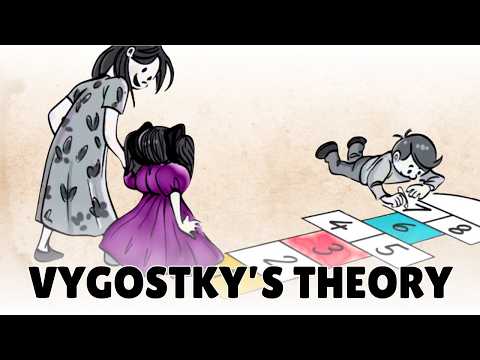
Alright, let’s chat about this dude named Vygotsky. Seriously, he had some wild ideas about how we grow and learn.
Este blog ofrece contenido únicamente con fines informativos, educativos y de reflexión. La información publicada no constituye consejo médico, psicológico ni psiquiátrico, y no sustituye la evaluación, el diagnóstico, el tratamiento ni la orientación individual de un profesional debidamente acreditado. Si crees que puedes estar atravesando un problema psicológico o de salud, consulta cuanto antes con un profesional certificado antes de tomar cualquier decisión importante sobre tu bienestar. No te automediques ni inicies, suspendas o modifiques medicamentos, terapias o tratamientos por tu cuenta. Aunque intentamos que la información sea útil y precisa, no garantizamos que esté completa, actualizada o que sea adecuada. El uso de este contenido es bajo tu propia responsabilidad y su lectura no crea una relación profesional, clínica ni terapéutica con el autor o con este sitio web.
You know how sometimes it feels like you just get things when you’re with your friends? Well, that’s kinda what he’s all about.
He thought our brains are like sponges that soak up all kinds of stuff, especially when we’re hanging out with others.
And guess what? It’s not just about hitting the books. Nope! It’s way more social than that.
So, let’s take a stroll through his thoughts and see what makes them tick! Ready?
Key Factors in Children’s Skill and Knowledge Development According to Vygotsky’s Theory
Vygotsky’s theory is pretty fascinating when you look at how kids learn and develop skills. Seriously, it’s like unlocking a treasure chest of understanding about childhood education! So, let’s break down some key factors he emphasized.
Social Interaction
Vygotsky believed that learning is a social process. That means kids often learn better through interacting with others. You know how when you play a game with friends, like charades? You’re not just having fun; you’re also picking up on cues and language use that’ll help you communicate better in the future.
ZPD (Zone of Proximal Development)
This one’s a biggie! The ZPD is the sweet spot where kids can do something with help but can’t quite do it independently yet. Imagine teaching your little cousin to ride a bike. At first, they might wobble and need your support, but with your guidance, they’re soon zooming around on their own! Vygotsky highlighted this zone as crucial for growth.
Scaffolding
Okay, so scaffolding isn’t just about building structures; it’s also about support in learning. When you scaffold learning, you’re giving just the right amount of help so kids can gradually take on more challenging tasks themselves. Think back to that bike lesson: holding onto the seat while they find their balance is scaffolding at its finest!
Cultural Tools
Vygotsky pointed out that cultural tools—like language, symbols, and even technology—play huge roles in how kids acquire knowledge. For example, when children learn to count using blocks or even smartphone apps, they’re absorbing more than numbers; they’re picking up problem-solving skills too.
Linguistic Development
Language isn’t just for chatting; it actually shapes thought! According to Vygotsky, through language development—especially conversational interaction—children can enhance their cognitive abilities. When parents read bedtime stories or discuss their day during dinner time, they’re not only bonding but also fostering richer thinking processes.
In light of all these ideas from Vygotsky’s work—like social interaction being essential and recognizing the ZPD—we start seeing why education isn’t just about memorizing facts or figures. It’s much more dynamic and interactive than that! Remember though, while this info is insightful for understanding child development, it doesn’t replace professional advice when needed.
So next time you watch kids playing together or trying out new things under supervision—like figuring out a tricky puzzle—you’ll see Vygotsky’s theories come alive!
Understanding Vygotsky’s Social Development Theory: The Five Key Components Explained
Vygotsky’s Social Development Theory is a fascinating take on how we learn and grow. It’s all about the social context of learning. So, let’s break down the five key components of this theory, shall we?
- Social Interaction: Vygotsky believed that learning happens through our interactions with others. When we collaborate with friends or teachers, we’re not just soaking in information; we’re actively shaping our understanding. Think about playing a team-based video game. You learn strategies from your teammates while developing your own skills.
- Zone of Proximal Development (ZPD): This is a biggie! The ZPD refers to the difference between what a learner can do without help and what they can achieve with guidance. Imagine you’re trying to solve a crossword puzzle. Alone, you might get stuck on a tricky clue, but with some hints from a buddy, voila! You solve it together. That zone where guidance helps make things possible? That’s your ZPD in action.
- Scaffolding: Related to ZPD, scaffolding is like the support structure someone gives while you’re learning something new. If you’re baking for the first time, maybe your friend is there to help measure ingredients and set timers until you feel confident doing it alone. It’s temporary support that helps you reach your goals.
- Cultural Tools: Vygotsky emphasized that we use tools from our culture—like language, symbols, and technology—to shape our thinking and learning experience. For example, think about how texting changes how we communicate or even learn new slang! These tools influence how we think about things and interact with each other.
- Language Development: Vygotsky thought language plays a critical role in cognitive development. He argued that internal dialogue—or talking to yourself—helps organize thoughts and problem-solve better. Ever found yourself whispering “What should I do next?” while playing a tough level in a game? That’s using your inner speech!
To put this all into perspective: picture two kids at recess — one is teaching the other how to play tag by explaining the rules as they go along. That exchange embodies social interaction and highlights how important peers are for learning through their shared experiences.
In short, Vygotsky’s insights remind us that learning isn’t just about absorbing facts; it’s an interactive process shaped by society around us. Each component underscores the importance of collaboration in mastering new concepts and skills!
And hey, remember: if you’re feeling overwhelmed or unsure about learning processes or developmental issues, don’t hesitate to reach out for professional help when needed—it’s always okay to ask for support!
Key Concepts in Vygotsky’s Learning Theory: Understanding the Role of Social Interaction and Cultural Context
Vygotsky’s theory is pretty fascinating, especially when you think about how much we learn from each other. His ideas focus a lot on social interaction and cultural context. Let’s break it down, shall we?
First up, there’s the concept of the Zone of Proximal Development (ZPD). This is like a sweet spot for learning. It’s where you can tackle tasks that are just out of reach for you but can be mastered with some help from someone more knowledgeable. Imagine trying to learn a new video game. You might struggle at first, but with tips from a friend who knows the ropes, you start to figure things out.
- ZPD: Tasks within reach with help; too easy? Boring! Too hard? Frustrating!
The next key idea is sociocultural theory. Vygotsky believed that our surroundings play a massive role in shaping how we think and learn. Your culture influences your development. If you’re raised in an environment that values collaboration and teamwork, you’re likely to develop those skills more than someone raised differently. So, think about games where working together leads to wins—like Fortnite or Minecraft—that’s real-life practice of this idea!
- Sociocultural influences: Our environment shapes our learning.
Then there’s the concept of scaffolding. This is basically the support given during the learning process which helps get you to that next level. Picture a construction site where workers build scaffolds to help create something tall and beautiful. In education, teachers or peers provide temporary support until you can fly solo. For instance, if you’re learning math and your teacher breaks down complex problems into smaller parts, they’re scaffolding your learning.
- Scaffolding: Temporary support that helps until you’re ready.
This leads us right into the idea of language as a tool for cognitive development. Vygotsky noticed how important language is—not just for communication but also for thinking! He said that through conversation and dialogue, we construct meaning together. Have you ever argued with friends over rules in a board game? That chatter isn’t just noise; it’s helping everyone understand better!
- Language’s role: Essential for thought processes; talking it out leads to deeper understanding.
Lastly, one key takeaway is that learning isn’t just about individual achievements; it thrives in social settings! It makes sense when you think about group projects or team sports where everyone contributes differently but learns together.
- Learning through social interaction: Group settings enhance understanding.
The bottom line here is that Vygotsky encourages us to see learning as an interactive process influenced by our surroundings and connections with others. So next time you’re playing games or engaged in group activities, remember: it’s not just fun! It’s building skills through interaction and culture.
Your personal experiences matter too! So whether you’re navigating life’s challenges or having fun with friends—embrace those moments of shared learning! Just keep in mind; if you’re facing any serious challenges or mental health issues, it’s always best to talk to someone who can help professionally.
You know, I’ve always found Vygotsky’s Theory of Development pretty eye-opening. It’s like he took a magnifying glass to how we grow up and interact with the world around us. So, let’s chat about some of the key ideas from his work.
First off, there’s this cool concept called the Zone of Proximal Development, or ZPD for short. It’s basically the idea that we have this sweet spot where learning happens best. Imagine you’re trying to learn to ride a bike. If you just went out there on your own without any help, it could be super frustrating and hard. But when you have someone guiding you—like a friend or a parent—who knows just enough to push you without letting you fall flat on your face, that’s where the magic happens! You get better because you’re being challenged and supported at the same time.
Also, Vygotsky emphasized the role of social interaction in learning. This one resonates with me because think about when you’ve learned something new—be it cooking, a sport, or anything really. It usually involves chatting with someone who knows what they’re doing or even just bouncing ideas around with friends. It’s like we’re all pieces in this giant puzzle of knowledge. The more we interact, the more we learn!
I remember back in school when we worked on group projects—yeah, those sometimes awkward team-ups forced us to collaborate and find solutions together! Those moments of discussion and debate were crucial for learning how to think critically and accessibly.
And then there’s language. Vygotsky believed that our ability to think is deeply intertwined with the language we use. The way we communicate shapes our thoughts. Take kids’ playful chatter as an example; they’re often processing their world through words while they play! So wild how something as simple as chatting can affect cognitive development.
In all honesty though? His theories hit home for me because they remind us that no one learns in isolation; it’s all about community and conversation. Whether it’s your family helping you figure out life or friends discussing dreams over coffee, those connections make all the difference.
So yeah, Vygotsky’s insights encourage us to appreciate those small moments when we share knowledge—even if it feels casual or unimportant at times. They play a huge role in shaping who we are becoming! What do you think? Isn’t it amazing how interconnected our growth can be?


