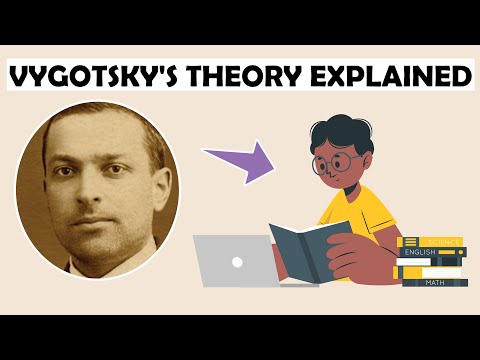
Okay, so let’s talk about Vygotsky’s Social Learning Theory. Sounds a bit fancy, huh? But, trust me, it’s super interesting.
Este blog ofrece contenido únicamente con fines informativos, educativos y de reflexión. La información publicada no constituye consejo médico, psicológico ni psiquiátrico, y no sustituye la evaluación, el diagnóstico, el tratamiento ni la orientación individual de un profesional debidamente acreditado. Si crees que puedes estar atravesando un problema psicológico o de salud, consulta cuanto antes con un profesional certificado antes de tomar cualquier decisión importante sobre tu bienestar. No te automediques ni inicies, suspendas o modifiques medicamentos, terapias o tratamientos por tu cuenta. Aunque intentamos que la información sea útil y precisa, no garantizamos que esté completa, actualizada o que sea adecuada. El uso de este contenido es bajo tu propia responsabilidad y su lectura no crea una relación profesional, clínica ni terapéutica con el autor o con este sitio web.
Basically, it’s all about how we learn from each other. I mean, think about it. You probably picked up your favorite joke from a friend or learned something new just by hanging out with people.
This guy, Vygotsky, he really believed that our brains work better when we’re together. It’s like socializing boosts our smarts! Isn’t that wild?
So, if you’ve ever learned something just from chatting with someone or working together on a project, you’ve experienced this theory in action. Let’s unpack it and see how it plays out in real life!
Exploring the Practical Applications of Social Learning Theory in Education and Behavior Change
Social learning theory, developed by Albert Bandura, is all about how we learn from others. Vygotsky, another key player in psychology, emphasized the role of social interaction in learning too. But let’s keep it simple! Here’s a look at how these ideas can be put into practice, especially in education and behavior change.
1. Learning through Observation
You might have seen kids picking up habits just by watching their friends or family. That’s social learning in action! When students observe a peer successfully solving a math problem, they’re more likely to try it themselves. It’s like playing a video game; if you see someone pull off an epic move, you want to learn how to do it too.
2. Role Models are Key
Think about your favorite teacher or mentor. They probably inspired you in some way. When educators act as positive role models, students are more likely to imitate those behaviors. For example, if a teacher shows enthusiasm when reading aloud, students might adopt that same excitement during their own reading sessions.
3. Group Work and Collaboration
Group projects aren’t just for fun! They’re rooted in social learning theory. When students work together, they can share different perspectives and skills. This dynamic helps everyone grow; let’s say one student struggles with writing while another excels at it—working together can benefit both.
4. Scaffolding Learning
Vygotsky introduced the idea of “scaffolding,” which is like providing support for learners as they take on new challenges. Imagine you’re teaching someone to ride a bike; you don’t just shove them out there! You hold the seat until they gain confidence and balance on their own, right? In classrooms, teachers can provide tools like guided questions or mini-lessons before letting students tackle tougher topics.
5. Community Learning Environments
Creating a community atmosphere fosters engagement and connection among learners. Think of online forums where people discuss games or hobbies—sharing strategies and tips creates a sense of belonging! In education, forming learning communities encourages collaboration and motivates students to participate actively.
6. Encouraging Self-Efficacy
Self-efficacy is all about believing in your ability to succeed at something—like acing that big exam! Educators can boost this belief by highlighting past successes and celebrating progress along the way. When students see others succeeding through hard work and persistence, they start building that belief for themselves.
Remember though: while these strategies are powerful tools for fostering learning and change, they aren’t substitutes for professional help when it’s needed! Sometimes individual support from counselors or psychologists is essential for personal development.
In summary, understanding social learning theory allows us to create engaging environments where interactions lead to growth and constructive behavior changes in educational settings—and everyday life too!
Understanding the Five Key Components of Vygotsky’s Social Development Theory
Vygotsky’s Social Development Theory is pretty fascinating, and it emphasizes how our social interactions shape our learning. You know, the idea that we’re not just solitary learners—you don’t grow in a bubble, right? This theory basically says that our brain develops and learns through communication and collaboration with others. Here are the five key components of this theory:
- Social Interaction: Vygotsky believed that social interaction is crucial for cognitive development. Think about how you learned to ride a bike—someone probably helped you out. That guidance from another person helps you learn faster and understand more.
- The More Knowledgeable Other (MKO): This refers to someone who has a better understanding or higher ability than the learner in a particular area. It could be a teacher, a friend, or even an older sibling. For example, if your buddy is great at chess, playing with them can help you pick up strategies more quickly than if you were just trying to figure it out by yourself.
- Zone of Proximal Development (ZPD): This is one of Vygotsky’s most popular ideas! The ZPD is the sweet spot between what you can do alone and what you can achieve with help. Imagine you’re trying to solve a puzzle: on your own, you might only manage the edge pieces; but with some hints from someone who’s done it before, suddenly all those pieces start clicking together!
- Cultural Tools: Every culture has tools—languages, symbols, and even technological gadgets—that shape how we think and learn. For instance, in video games like Minecraft, players use various tools available in the game environment to build structures or solve problems collaboratively with friends. Those experiences can actually translate into real-world skills.
- Language as a Tool for Thought: Vygotsky pointed out that language isn’t just for communication; it’s also vital for thinking and problem-solving. Have you noticed how talking through something often helps clarify your thoughts? When kids engage in dialogue while learning something new—like discussing strategies while playing board games—they’re essentially practicing their reasoning skills!
So basically, Vygotsky’s theory highlights the importance of learning within a social context by engaging with others who support your development. Each component works together like pieces of a puzzle.
And remember: this information is purely educational—it’s important not to replace mental health advice from professionals if you’re feeling stuck or overwhelmed!
Comprehensive Guide to Vygotsky’s Sociocultural Theory: Downloadable PDF Resource
Vygotsky’s Sociocultural Theory is a real gem in the world of psychology. And, it’s all about how our social interactions shape our learning and development. The way he saw it, culture plays a huge role in this process. Rather than just being a solo journey, learning is something we do together.
What’s cool about Vygotsky’s ideas is that they highlight the **importance of community**. He believed that when we engage with others, particularly those who are more knowledgeable, we can expand our own understanding. So let’s break down some key concepts:
- Zone of Proximal Development (ZPD): This is all about the sweet spot between what you can do on your own and what you can achieve with help. Imagine trying to play a new video game alone but getting stuck on a level; if a friend jumps in to help, you might just beat it! That teamwork moves you into new learning territory.
- Scaffolding: This concept refers to the support given during the learning process. Think of it as training wheels for your bike—helping you until you’re steady enough to ride solo. In education, teachers often provide hints or guiding questions as students navigate complex concepts.
- Cultural Tools: These are the tools that help us learn within our cultures. It could be language, art, or even technology! For instance, using a smartphone app for math practice helps blend education with everyday life.
- Social Interaction: Remember that learning doesn’t happen in isolation! Conversations with friends or discussions in class can spark new ideas and insights.
Now let’s think about how this stuff applies in real life. Let me share an example from my own experience: I was trying to grasp some tricky math concepts back in school. Honestly? The formulas were just mumbo jumbo to me at first. But then my best friend sat down with me after class; she explained things using examples from our favorite games—suddenly it clicked! That was my ZPD moment; I learned so much more because we worked on it together.
Vygotsky’s **theory isn’t just for classrooms** either—it goes beyond textbooks and into real-world applications like parenting and workplace training. Coaches motivate athletes by using scaffolding techniques, guiding them through challenges based on their individual needs.
In summary, Vygotsky’s ideas remind us that we are really social creatures who thrive on interaction when it comes to learning and growth. By tapping into this rich cultural context and working alongside peers or mentors, we can elevate our understanding—and hey—have fun while doing it!
Just a heads up: while this info gives an overview of Vygotsky’s sociocultural theory and its applications—if you’re looking for personalized guidance or facing deeper challenges? Definitely reach out to a professional who can support you further!
You know what? Vygotsky’s Social Learning Theory is like one of those gems you stumble upon when you’re looking for something else. It’s all about how we learn through our social interactions. I mean, think about it—most of what you know, you’ve probably picked up from other people, right? Whether it’s your parents teaching you how to ride a bike or your friends sharing funny memes, we’re constantly learning from those around us.
Vygotsky introduced a few key concepts that really get to the heart of this theory. One of them is the «Zone of Proximal Development» (ZPD). This basically means there’s a sweet spot where learning happens best. Imagine you’re trying to bake a cake for the first time. You can do the simple stuff, like mixing ingredients, but maybe you struggle with frosting it. If a friend steps in and shows you how to pipe beautiful swirls on top, that’s your ZPD at work! You’re able to do more because someone with slightly more skill helps you along the way.
And then there’s scaffolding. This one’s super relatable too! It’s like when a teacher gives you loads of support at first but slowly pulls back as you get better at something. Picture yourself learning to play an instrument—your teacher might start by holding your hand over the keys (not literally, but you know what I mean) and then gradually lets go so you’re playing on your own. That gradual support allows for real growth!
But here’s where it gets emotional for me—think about how meaningful these interactions can be in shaping who we are. I remember helping my little cousin with her homework once. She was struggling with reading and getting frustrated. But as we read together and I encouraged her, she finally got it! Her face lit up like a light bulb had gone on. That moment wasn’t just about reading; it was about connection and support. It’s moments like these that make Vygotsky’s ideas feel so true.
In real life, this theory has tons of applications—from classrooms to workplaces—and not just in formal settings either! Think about online communities or study groups where everyone contributes their bits of knowledge and experience, creating an environment where learning flourishes.
So yeah, Vygotsky’s Social Learning Theory reminds us that learning isn’t just an individual journey—it’s deeply social. We grow not in isolation but through our connections with others—how cool is that? It kind of makes life feel richer when we see all these interactions as opportunities for growth and understanding.