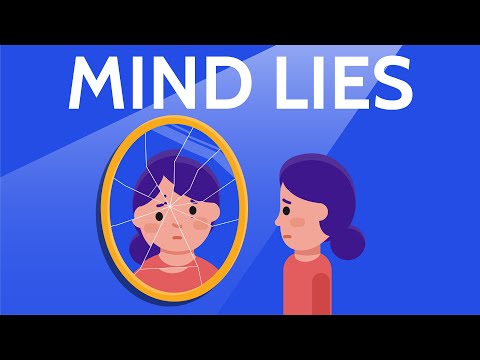
You know those days when everything just feels off? Like, no matter how hard you try, your mind keeps spinning in circles of negativity? Yeah, that’s negative cognition for you.
Este blog ofrece contenido únicamente con fines informativos, educativos y de reflexión. La información publicada no constituye consejo médico, psicológico ni psiquiátrico, y no sustituye la evaluación, el diagnóstico, el tratamiento ni la orientación individual de un profesional debidamente acreditado. Si crees que puedes estar atravesando un problema psicológico o de salud, consulta cuanto antes con un profesional certificado antes de tomar cualquier decisión importante sobre tu bienestar. No te automediques ni inicies, suspendas o modifiques medicamentos, terapias o tratamientos por tu cuenta. Aunque intentamos que la información sea útil y precisa, no garantizamos que esté completa, actualizada o que sea adecuada. El uso de este contenido es bajo tu propia responsabilidad y su lectura no crea una relación profesional, clínica ni terapéutica con el autor o con este sitio web.
It’s wild how our thoughts can shape our experiences, right? One little negative thought can spiral into a whole chain reaction. It’s like a snowball rolling downhill—a tiny worry becomes an avalanche of anxiety.
Ever had that moment when you’re just overthinking something so much that it makes you question everything? Seriously! So, let’s chat about what negative cognition is and how it messes with our heads. You might be surprised at how common it is and what we can do about it!
Understanding the 5 C’s of Negative Thinking: Causes, Effects, and Solutions
- Causes of Negative Thinking: There are a bunch of reasons behind negative thoughts. Sometimes, it’s just our brain’s way of protecting us. Think about it like a video game; if you’ve lost a few times, your character might start to feel discouraged, right? Emotional experiences, trauma, or even bad habits can trap us in this cycle.
- Effects on Your Mindset: Negative thinking can seriously cloud your perspective. When you only see the glass as half empty, it’s tough to notice the good stuff. You might find yourself feeling anxious or even depressed. It’s like being stuck in a maze where every turn leads you back to the same gloomy spot.
- The 5 C’s of Negative Thinking: Here’s where it gets more specific. The 5 C’s – Criticism, Catastrophizing, Comparisons, Control and Community – help break down how negative thoughts manifest.
- Criticism: This is when you constantly judge yourself harshly. Imagine playing an old-school platformer where every time you jump wrong, you hear “You messed up!” It can demotivate you big time.
- Catastrophizing: Basically blowing things out of proportion! Let’s say you flubbed a presentation at work and now think you’ll get fired. That’s like thinking if Mario eats one bad mushroom; he’ll never win again!
- Comparisons: This one’s a killer. Social media can make us feel less than awesome when we’re constantly seeing others’ highlight reels while we’re stuck behind the scenes.
- Control: Feeling like you’re not in charge? It might be that you’re fixating too much on what you can’t control—like worrying constantly about the outcome of life’s random events.
- Community: Isolation also plays a role here. Without supportive friends or family around to give you a boost when you’re down, those negative thoughts just fester like an unhealed wound. Think about needing a co-op partner in a tough level; friends matter!
- Solutions for Combatting Negative Thinking: Thankfully, there are steps to tackle this negativity! It doesn’t have to control you like some annoying video game villain! First off: awareness is key! Just recognizing these patterns is half the battle won.
- Cognitive Restructuring: This fancy term means challenging those critical thoughts and shifting them into something more positive—and realistic! Instead of thinking “I always fail,” try “I have failed before but I’ve also succeeded.” Sounds better!
- Mindfulness Practices: Activities such as meditation or deep breathing can help ground you and pull those nasty spirals into manageable chunks.
- Talking It Out: Seriously though—don’t underestimate chatting with someone about how you’re feeling. A friend or counselor can provide support that shifts your perspective.
- The Bottom Line? Negative thinking isn’t just annoying; it can seriously interfere with your day-to-day life and mental well-being. Recognizing it gives you the first step toward taking back control. But remember: if things feel overwhelming or underlie deeper issues, reaching out for professional help is super important! You don’t have to face this alone!
Understanding the 3 C’s of Negative Thinking: A Guide to Identifying and Overcoming Limiting Mindsets
Negative thinking can feel like a heavy backpack full of rocks, you know? It slows you down and makes everything feel harder than it should. To really get what’s behind negative thoughts, we can break it down using what some folks call the “3 C’s of Negative Thinking.” So let’s unpack that a bit!
Cognition: First off, let’s talk about cognition. This is just a fancy word for how you think. Sometimes, we get stuck in thought patterns that are just plain negative. It might be as simple as thinking you’ll fail at something before you’ve even tried it! For example, imagine you’re about to give a presentation and you think, “I’m going to mess this up.” That negative thought can make you anxious and might even lead to messing it up simply because you’re so stressed.
Causes: Next is causes. It’s important to figure out where these nagging thoughts come from. Often, they’re rooted in past experiences or fears we have about the future. Maybe you were told as a kid that you weren’t good at sports, and now every time you join a game, that creeping doubt comes back. Well, that kind of baggage can really shape how you see yourself today.
Consequences: Finally, let’s hit on consequences. Those negative thoughts can lead to feelings of sadness or anxiety; they could even keep you from trying new things! Think about it this way: if every time you’re asked to try something new—let’s say cooking or dancing—you tell yourself you’ll be terrible at it, then why would you even want to give it a shot? You’re missing out on fun experiences just because of those limiting beliefs.
Now that we’ve identified the *3 C’s*, let’s look at how to tackle them:
- Acknowledge your thoughts: Accepting those negative feelings is the first step toward change.
- Challenge your beliefs: When those doubts creep in, ask yourself—are they really true? Look for evidence.
- Replace negativity with positivity: Try flipping those negative thoughts into positive ones. Instead of «I can’t do this,» try «I’ll do my best!»
To give an example: Let’s say you’re playing a video game and keep losing at level three. Instead of saying «I’m just bad at this,» shift your mindset to «I just need more practice.» It’s all part of learning!
It’s totally normal to have these kinds of thoughts from time to time—everyone does! But don’t forget that if these patterns start interfering with your day-to-day life, chatting with someone who knows their stuff (a therapist or counselor) can be super helpful.
In the end, recognizing those pesky negative patterns is key to breaking free from limiting mindsets. Each little step counts! And while overcoming negative cognition won’t happen overnight, accepting that it’s okay not to be perfect is part of being human—and honestly? It’s kinda freeing too!
Understanding Negative Cognition: Definition, Examples, and Impact on Thought Processes
Negative cognition refers to those pesky, unhelpful thoughts that can cloud our minds. You know, the kind of thoughts that can really bring you down? It’s all about how we perceive situations, people, or even ourselves in a not-so-great light. Understanding this can be a game changer for your mental well-being.
What are Negative Cognitions?
These are automatic thoughts that pop into your head and tend to be pessimistic or self-critical. They often distort reality. For example, if you fail an exam, instead of thinking “I can study harder next time,” you might think “I’m such a loser; I’ll never get this right.” That’s negative cognition at play.
Examples of Negative Cognitions:
- All-or-Nothing Thinking: You either win big or lose completely. There’s no middle ground.
- Overgeneralization: One bad experience means they will all be bad.
- Catastrophizing: Assuming the worst will happen without evidence.
- Personalization: Blaming yourself for things out of your control.
When I was in school, I remember feeling anxious before exams. If I didn’t score as high as I wanted on one test, I’d tell myself things like “You’re never going to succeed.” Totally harsh! Looking back, it was just one result and didn’t reflect my overall abilities at all.
The Impact on Thought Processes:
So why does understanding negative cognition matter? Well, these thoughts can shape our feelings and behaviors in significant ways. Here’s how:
- Mood Swings: Constant negative thinking can lead to anxiety or depression. It creates a feedback loop where negative thoughts make us feel worse.
- Diminished Self-Esteem: If you’re stuck in a cycle of self-criticism, it’s tough to see your worth.
- Poor Decision-Making: When you’re caught up in negativity, decision-making becomes biased and flawed.
One time when I was playing a competitive game online (let’s say it was one of those multiplayer shooters), I had a rough match and thought “I’ll never be good at this.” It affected my gameplay in the next round—I was hesitant and played poorly! My mindset shifted completely because of those negative thoughts.
Coping with Negative Cognitions:
Now that we’ve explored what negative cognitions are and how they affect us—what can you do about them? Here are some strategies:
- Cognitive Restructuring: Challenge those negative thoughts. Ask yourself if they’re really true!
- Meditation or Mindfulness: These practices help create distance from your thoughts—kind of like watching clouds go by rather than getting stuck in them.
- Self-Compassion: Be nice to yourself! Treat yourself like you would treat a friend who is down.
While these tips might help many people manage their negative cognitions better, it’s essential to remember that sometimes these feelings run deep. So don’t hesitate to reach out for professional help if needed! Seeking support doesn’t mean there’s something wrong with you; rather it shows strength.
In the end, becoming aware of your thought patterns is the first step toward change. You deserve peace of mind—don’t let those nagging voices hold you back!
So, let’s talk about negative cognition. It’s one of those things that can really trip us up, and it’s not always obvious. You know what I mean? We all have those moments when our mind takes a nosedive into a cloud of negativity. Maybe you find yourself thinking things like “I’ll never get that job,” or “I’m not good enough.” It creeps in, and before you know it, you’re stuck in this spiral that feels impossible to escape.
Here’s the thing: negative thoughts don’t just stay as thoughts. They influence how you feel and act. Picture this: imagine you’ve been working really hard on a project for weeks. But instead of feeling proud, you keep thinking about the one mistake you made. That little error starts to loom larger than life, overshadowing all your hard work. It’s like when you’re at a party having fun, but then someone mentions that embarrassing thing you did back in high school, and suddenly that memory is replaying in your head on loop! Super annoying, right?
Negative cognition can definitely alter how we see situations and people around us. When we’re caught up in those negative loops, we might misinterpret intentions or overreact to comments—like thinking someone’s mad at us when they’re just busy or tired. It affects our relationships too; if you’re constantly expecting the worst from people, how do you think they’ll respond? Probably with confusion or frustration.
You know what? I had this friend once who always worried about how people perceived her. She would believe everyone thought she was boring or uninteresting—despite being one of the coolest people I know! It was tough watching her pull away from friends because she convinced herself they’d rather hang out with someone else. And honestly? There were plenty of times she could’ve just relaxed and enjoyed hanging out without second-guessing herself.
So here’s where the journey gets interesting: understanding these patterns is key! Recognizing when negative thoughts pop up can help reel them back in before they spiral out of control. You can challenge those thoughts too—ask yourself if they’re based on facts or just feelings swirling around in your mind like autumn leaves caught in the wind.
It’s all about cultivating awareness rather than letting those pesky negative thoughts take charge of your day—and your life! No one’s perfect at it; seriously, we all struggle sometimes! But by practicing kindness towards ourselves and reframing how we think about situations, we empower ourselves to shift gears from negativity to a more balanced outlook.
In the end, who wouldn’t want to experience less stress and more joy? So maybe next time negativity strikes, don’t just let it hang around like an unwanted guest at a party; kick it out and invite some positive vibes instead! Sounds like a plan, right?