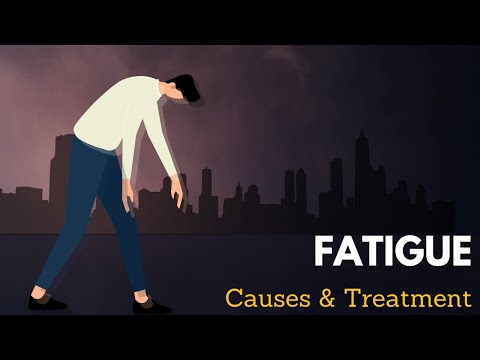
You know that feeling when you wake up, and it’s like you’ve run a marathon in your sleep? Yeah, extreme fatigue can hit like that.
Este blog ofrece contenido únicamente con fines informativos, educativos y de reflexión. La información publicada no constituye consejo médico, psicológico ni psiquiátrico, y no sustituye la evaluación, el diagnóstico, el tratamiento ni la orientación individual de un profesional debidamente acreditado. Si crees que puedes estar atravesando un problema psicológico o de salud, consulta cuanto antes con un profesional certificado antes de tomar cualquier decisión importante sobre tu bienestar. No te automediques ni inicies, suspendas o modifiques medicamentos, terapias o tratamientos por tu cuenta. Aunque intentamos que la información sea útil y precisa, no garantizamos que esté completa, actualizada o que sea adecuada. El uso de este contenido es bajo tu propia responsabilidad y su lectura no crea una relación profesional, clínica ni terapéutica con el autor o con este sitio web.
It’s not just being tired after a long day. It’s way deeper than that. It kinda sneaks up on you, right? Suddenly, just getting out of bed feels like climbing a mountain!
And then there’s the confusion. Why am I so drained? Seriously, what gives?
Let’s chat about what causes this heavy blanket of exhaustion and what it really means for our lives. Trust me, it’s more common than you think!
Identifying the Main Causes of Extreme Fatigue: A Comprehensive Overview
Extreme fatigue can feel like you’re lugging around a bag of bricks. Seriously, it’s that overwhelming, right? It’s not just about being a bit sleepy; it’s this deep exhaustion that doesn’t really go away, even after you’ve had a good night’s sleep. So, what’s the deal? Let’s unpack some of the main causes behind this pesky issue.
Physical Exhaustion is one of the biggest culprits. This often happens when you’re pushing your body too hard or not giving it enough time to recharge. Think about those times when you’ve binged on your favorite video game for hours on end without a break. Your fingers are sore, and your eyes are strained—this is your body waving a little flag saying it needs rest!
Sleep Disorders play a huge role too. Conditions like sleep apnea can mess up your sleep cycle so much that you wake up feeling just as tired as when you went to bed. Imagine trying to run a race with one shoe; that’s basically what it feels like trying to function well on bad sleep!
- Chronic Fatigue Syndrome (CFS): This condition goes beyond regular tiredness and can leave you feeling wiped out for long periods. It can be pretty isolating.
- Anemia: Low iron levels might lead to fatigue because your blood isn’t delivering enough oxygen throughout your body. You might feel like you’ve hit a wall.
- Thyroid Issues: An underactive thyroid slows down metabolism, leading to feelings of exhaustion—like running in slow motion while everyone else seems to be sprinting.
- Mental Health Issues: Depression and anxiety can zap your energy faster than you think! Sometimes even the smallest tasks seem monumental when you’re feeling down.
And let’s talk about how our daily habits impact our energy levels. Poor diet? Yup, that can contribute significantly! Eating junk food might give you a sugar rush at first but soon leads to an energy crash that leaves you feeling drained.
Also, don’t forget about stress! It’s often underestimated how much mental strain can affect physical wellbeing. Ever notice how getting overwhelmed with work or life feels exhausting in itself?
Now, here’s where it gets tricky: sometimes extreme fatigue doesn’t have just one cause; it can be a *combo platter* of factors working together against you!
If you’re experiencing this kind of fatigue regularly or if it’s impacting your daily life, it might be time to check in with someone who knows their stuff—like a doctor or therapist. They’ll help figure out what’s going on underneath all that tiredness.
So yeah, extreme fatigue is no joke; it’s important to listen to what your body is telling you. Take care of yourself—because at the end of the day, we all deserve to feel energized and ready to take on whatever comes our way!
Understanding the Six Key Symptoms of Fatigue and Their Psychological Impact
Hey there! Let’s chat about something that really gets under our skin sometimes—fatigue. You know that feeling when your body just feels like a sack of potatoes? Yeah, that’s what we’re talking about. Extreme fatigue is no joke. It can mess with your mind and your life in ways you might not even realize. Here are six key symptoms of fatigue and their psychological impact.
- Physical Exhaustion: This one’s pretty obvious. When you feel worn out, it’s not just tiredness; it’s like lifting a mountain every day. You might notice you’re dragging yourself through the simplest tasks, like getting up from the couch or even picking up your phone.
- Cognitive Impairment: Ever tried to focus on a video game after a long day? It’s super hard, right? Fatigue messes with your brain’s clarity. You might find it tough to concentrate, forget things easily, or mix up words during conversations.
- Emotional Instability: Fatigue can turn you into a bit of a rollercoaster. One minute you’re fine, and the next minute you’re feeling super down or irritable for no real reason. It’s like being on an emotional seesaw!
- Sleep Disturbances: Paradoxically, extreme fatigue often leads to sleep issues. It sounds weird but hear me out—you might have trouble falling asleep or staying asleep because your mind is racing or you’re uncomfortable.
- Reduced Motivation: You know those days when even playing your favorite game seems like too much effort? When fatigue hits hard, motivation drops through the floor. Everything—even activities you used to love—becomes taxing.
- Sensory Sensitivity: Everything feels louder, brighter, or more annoying when you’re fatigued. A simple noise might feel unbearable; it’s as if the world becomes too much to handle.
The psychological impact? Well, it can be pretty significant! For instance, let’s say you’re usually upbeat and social; constant fatigue might make you withdraw from friends and family. Maybe you start avoiding them because interacting feels exhausting—or worse yet, you risk developing anxiety or depression as everything starts piling up.
Treating extreme fatigue often needs a *holistic approach*. Sometimes lifestyle changes help! Things like getting enough quality sleep (yes please!), eating balanced meals (snack wisely), and even gentle exercise can all be beneficial.
If you’ve tried managing these symptoms on your own and nothing seems to work? Seriously consider reaching out for professional help! It’s always better to talk things through with someone who knows their stuff—trust me!
The bottom line is this: Recognizing fatigue is step one in tackling its sneaky grip on your life! So pay attention to how you’re feeling—it matters more than you think!
Understanding the 4 P’s of Fatigue: Factors Influencing Your Energy Levels
Fatigue can hit you like a freight train, right? I mean, you wake up feeling like you’ve just run a marathon in your sleep. The 4 P’s of Fatigue give us a solid framework to understand what might be going on with your energy levels. They’re Physical, Psychological, Perceptual, and Positional. Let’s break them down.
Physical Fatigue is pretty straightforward. It happens when your body has taken a beating. Maybe you overdid it at the gym or didn’t get enough rest after that late-night binge-watch session. Your muscles feel heavy, and even walking to the kitchen seems like an Olympic event. It makes sense that if you’re not fueling your body properly—like skipping meals or not drinking enough water—you’d feel drained.
- Lack of Sleep: Not catching those Zzz’s? It’ll definitely catch up with you.
- Poor Nutrition: Eating junk food might taste good, but it won’t keep your energy levels high.
- Medical Conditions: Things like anemia or thyroid issues can zap your energy too!
Psychological Fatigue is where things get a little deeper. Stress is often the biggest culprit here. Imagine playing a video game where every level requires intense focus and strategy; eventually, you would feel mentally exhausted, right? That mental drain comes from juggling worries about work deadlines or personal relationships—it can really wear you out.
- Anxiety: Constant worry can exhaust even the strongest minds.
- Depression: A lack of motivation feels pretty heavy when you’re down.
- Boredom: Doing nothing important can make the mind feel sluggish too!
The third P stands for Perceptual Fatigue. This one’s a bit sneaky because it all happens in your head! If you’re feeling overwhelmed by sensory inputs—like noise or bright lights—it can lead to exhaustion. Think about being in a crowded arcade; all those sounds and flashing lights can be fun at first but become tiring after a while!
- Cognitive Overload: Too many tabs open in your brain? It’s tiring!
- Noisy Environments:You ever tried concentrating with music blaring? Tough gig!
- Sensory Sensitivity:Your senses reacting strongly to stimuli can drain energy quick!
The last one is called Positional Fatigue, which ties closely to how you’re physically holding yourself throughout the day. Bad posture while typing away on your computer for hours makes you feel more tired than if you were sitting comfortably. You know how some games require perfect posture to aim correctly? It’s kind of like real life—bad positioning leads to discomfort and fatigue.
- Sitting Too Long:If you’re glued to the couch for hours, it’s no surprise your body feels worn out!
- Lack of Movement:A little stretch goes a long way; standing up seems easy but helps loads.
- Poor Ergonomics:Your chair matters! An uncomfortable chair means an uncomfortable back.
If you’re feeling extreme fatigue consistently, it’s important to reach out for help from healthcare professional rather than trying to tackle this on your own. Fueling our bodies and minds should be top priority since they both work together in keeping our energy levels high! Remember: we all have off days, so don’t beat yourself up too much if today isn’t your best day! Keep these four P’s in mind next time fatigue hits—you’ll be one step closer to understanding what’s zapping that precious energy of yours!
So, let’s talk about extreme fatigue. You know, that feeling when you wake up after a full night’s sleep but still feel like you’ve been hit by a truck? Yeah, that kind of weariness. It can really mess with your day-to-day life, making even the simplest tasks feel Herculean. And it’s not just about being lazy or needing more coffee; it’s deeper than that.
Extreme fatigue is often a sign that something’s off in your body or mind. Maybe you’re dealing with stress—like when work piles up and your personal life gets chaotic. Or it could be something physical, like an underlying health condition. I mean, I once had a friend who was always tired and thought it was just part of being an adult until they discovered they were living with anemia. Can you imagine? What a wake-up call!
Also, sleep disorders like insomnia play a huge role in this whole fatigue thing. You think you’re getting enough shut-eye, but if the quality isn’t there—well, it doesn’t count for much! And sometimes we just push ourselves too hard; long hours at work or juggling family commitments can lead to burnout before you even have time to realize what’s happening.
But here’s the kicker: extreme fatigue isn’t just physical; it’s emotional too! It can lead to feelings of sadness or irritability. Picture this: You’re so drained that even hanging out with friends feels overwhelming instead of fun. Your mood dips and suddenly everyone’s talking about how great their weekend was while you’re sitting there wondering why you’re not enjoying yours.
It really pays to listen to what your body and mind are trying to tell you when they’re waving those red flags! Sometimes all it takes is setting boundaries or prioritizing rest. It sounds simple but can make such a difference! So if you’re feeling exhausted and it’s affecting your life regularly, don’t just brush it off as “normal.” Take some time for yourself; maybe read a book or spend time outdoors.
The reality is we can’t pour from an empty cup—you know? So the next time you’re dragging yourself around like a zombie, remember that taking care of yourself isn’t selfish; it’s necessary! All in all, recognizing the causes of extreme fatigue is half the battle. This isn’t just about catching up on sleep; it’s about healing and nurturing yourself back to vitality!