So, let’s talk about something we all deal with: feelings. You know, that rollercoaster of emotions that can hit you outta nowhere?
Este blog ofrece contenido únicamente con fines informativos, educativos y de reflexión. La información publicada no constituye consejo médico, psicológico ni psiquiátrico, y no sustituye la evaluación, el diagnóstico, el tratamiento ni la orientación individual de un profesional debidamente acreditado. Si crees que puedes estar atravesando un problema psicológico o de salud, consulta cuanto antes con un profesional certificado antes de tomar cualquier decisión importante sobre tu bienestar. No te automediques ni inicies, suspendas o modifiques medicamentos, terapias o tratamientos por tu cuenta. Aunque intentamos que la información sea útil y precisa, no garantizamos que esté completa, actualizada o que sea adecuada. El uso de este contenido es bajo tu propia responsabilidad y su lectura no crea una relación profesional, clínica ni terapéutica con el autor o con este sitio web.
Well, one big part of that ride is something called neuroticism. It’s like the emotional spice in our personalities.
Think about it. You might know someone who worries way too much about tiny things. Or maybe you’re the one who can’t shake off a bad mood.
That’s neuroticism at play! It’s not all doom and gloom, though. It can help us understand ourselves and our relationships better.
You with me? Let’s break it down and see what makes this trait tick!
Identifying High Neuroticism: Key Traits and Behavioral Signs
Neuroticism, huh? It’s one of those big five personality traits that can really shape how we view the world and ourselves. If you’re curious about this, it helps to know what being high in neuroticism looks like. You know, just spotting the signs can be super useful!
People with high neuroticism often feel emotions more intensely. Imagine playing a game where every little setback feels like a major loss. That’s sort of what it’s like for someone high in this trait. They tend to experience feelings like anxiety, sadness, or anger more frequently and deeply.
- Emotional instability: This means they can go from feeling okay to completely overwhelmed pretty quickly. Think of a roller coaster that never really stabilizes!
- Sensitivity to stress: Life throws stuff our way, right? But for those high in neuroticism, even small stressors can turn into big deal-breakers.
- Worrying excessively: You know that friend who always seems to find something to fret about? Yeah, that could be a sign of high neuroticism. They might worry about their job, relationships, or even if they accidentally upset someone by not replying fast enough!
- Difficulties with self-control: People with higher neuroticism often struggle with managing their impulses and emotions. It’s like trying to play a video game on hard mode without practice—frustration sets in quickly.
- Tendency toward negative thinking: This can show up as always seeing the glass half-empty. If you find yourself in constant self-doubt or pessimism, that might be an indicator.
A quick story: I once knew someone who was super talented but was constantly worried they weren’t good enough. They’d get anxious before every performance—sweaty palms and all! Even after nailing it each time, they’d say things like “I messed up” when everyone else saw them shine! That’s classic high neuroticism at work.
The truth is living with high levels of neuroticism can affect your daily life more than you think. You might see changes in how you relate to friends or handle challenges at work. Just remember though—if this resonates too closely and you’re struggling daily, chatting with a professional could really help sort things out.
All in all, being aware of these traits helps us understand not just ourselves but others around us too. So keep an eye out for those emotional roller coasters!
The Rarest Big 5 Personality Type: Discovering Its Unique Traits and Characteristics
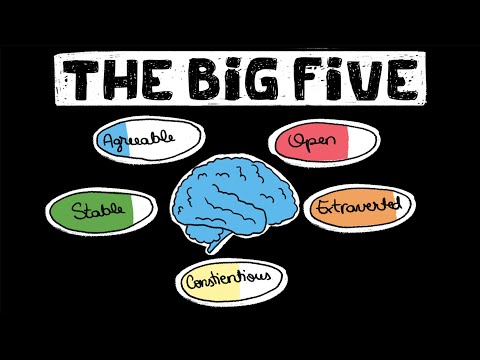
So, let’s talk about the Big 5 Personality traits for a second. You’ve probably heard of them: Openness, Conscientiousness, Extraversion, Agreeableness, and Neuroticism. Among these, neuroticism is like that quirky friend who shows up at the party but often steals the spotlight for all the wrong reasons. Seriously! It’s not necessarily bad; it just comes with its own vibe.
Neuroticism is characterized by emotional instability and anxiety. People who score high on this trait might be more prone to stress and negative emotions. That’s why they can feel overwhelmed or anxious over things that others may brush off. It’s a bit like playing a video game on hard mode while everyone else is cruising on easy.
Here are some key points to understand about neuroticism:
- Emotional Instability: Those with high neuroticism often have mood swings or feel easily upset. Imagine being on a roller coaster of emotions—every little bump feels like a giant dip!
- Sensitivity to Stress: They are particularly sensitive to stressors in their environment. Think of it as having your character in a game take more damage from small hits than from big ones.
- Anxiety and Worry: These folks tend to worry a lot—about their job, relationships, or even what others think of them. It’s like running in circles instead of just jumping straight into action.
- Self-Consciousness: There’s often a feeling of being judged or not measuring up to expectations. Picture someone constantly checking the scoreboard during an intense game.
To give you a better feel for this trait, here’s an anecdote: I remember my friend Sarah always getting freaked out right before presentations at work. She was super talented but would spiral into anxiety thinking about what everyone might think if she stumbled over her words. Turns out? Most people didn’t even notice when she did!
Now let’s talk effects! High levels of neuroticism can impact relationships too. If you’re regularly anxious or moody, it can put strain on friendships or partnerships since others may find it challenging to understand your emotional ups and downs.
On the flip side—you know?—these traits can also lead people to be more empathetic or sensitive towards others who are struggling because they really get what it’s like to go through tough times.
And here’s something important: while understanding these traits helps us relate better with ourselves and others, it doesn’t replace professional help if someone is feeling really overwhelmed by their emotions. Always remember that seeing a therapist can offer great support!
So there you have it! Neuroticism isn’t just another term tossed around in psychology class; it’s got real-world implications that touch our hearts, relationships, and daily lives more than we might think!
Understanding Neuroticism: Key Traits, Effects, and Assessment in the Big 5 Personality Test
Neuroticism is one of the five major personality traits in the Big Five Personality Test, and it can tell you a lot about how someone reacts to stress. If you think about it, we all know someone who seems a bit more anxious or sensitive, right? That’s pretty much neuroticism in action.
So, what are some key traits of neuroticism? Let’s break it down:
- Anxiety: People high in neuroticism often feel nervous or anxious about various situations. Think of that friend who freaks out before an interview or exam.
- Emotional Instability: These folks might have mood swings and find it hard to stay calm. One minute they’re laughing; the next, they’re crying over a sad movie.
- Self-Consciousness: They can be more sensitive to criticism and often feel like they’re being judged by others.
- Irritability: A short fuse can be common here. Maybe they get grumpy over little things that wouldn’t bother most people.
- Vulnerability: This trait means they might feel overwhelmed by stress and have difficulty coping with challenges.
Now, how does this all affect someone’s life? Seriously, being high in neuroticism can impact relationships and mental health. For example, if someone tends to overthink every little thing their partner says, it could lead to misunderstandings and conflicts. You know those moments when you just can’t shake off an embarrassing thing you said? That’s a classic neurotic moment.
On the flip side, there are some interesting effects of neuroticism:
- Coping Strategies: Individuals high in this trait might develop avoidance strategies—like procrastination—because they’re too anxious about taking action.
- Health Risks: Research suggests that higher levels of neuroticism can lead to physical health issues due to chronic stress response impacting the body over time.
- Cognitive Functioning: It can affect how well you’re able to think clearly under pressure. Ever tried playing a game while your mind’s racing? It’s tough!
When assessing neuroticism using the Big Five Personality Test, usually people are asked a series of questions about their feelings and thoughts. You might see questions like “Do you often feel blue?” or “Do you get upset easily?” The answers help paint a picture of where you fall on this spectrum—from low (calm and collected) to high (more anxious).
In essence, recognizing where you stand on the neuroticism scale won’t replace professional help if needed—it’s really just one piece of your personality puzzle. Knowing these traits gives insight into yourself or others around you. So next time someone’s feeling overwhelmed or overly emotional, maybe try not to judge too harshly; there could be more going on beneath the surface.
And hey! If you’re curious about personality types or how they interact with each other, it’s always fun chatting about it with friends—just remember everyone has their quirks!
You know, personality can be such a maze, can’t it? We all have our quirks and styles that shape how we interact with each other. One of the big players in this world of personality is what they call neuroticism. It sounds super serious, but let’s break it down together.
So, when someone has a high level of neuroticism, they’re often more prone to feelings like anxiety, anger, or sadness. Think of it as having a stormy cloud hovering over you most of the time. It doesn’t mean you’re constantly unhappy; it’s just that your emotional responses tend to be a bit more intense compared to others. You might find yourself worrying about things that don’t seem to bother your friends at all. Like that time you spiraled after sending a text that didn’t get replied to right away! We’ve all been there, right?
But here’s where it gets interesting. This emotional intensity can also inspire creativity and deep thinking. I remember my buddy Sarah—she’s got this stormy vibe going on sometimes. But her art? Wow! It’s raw and meaningful in ways that make you think twice about your own emotions. So yeah, while the ups and downs can feel like a rollercoaster ride, they can also lead to some incredible insights.
When we talk about traits linked with neuroticism, we’re looking at things like moodiness and being self-conscious. Things can feel overwhelming if you’re always on high alert for potential threats or social faux pas; it’s like living in hyperdrive! Just the other day I was helping another friend through some stress because she kept worrying about her job performance even when everyone said she was doing great.
And guess what? High neuroticism doesn’t just affect you; it ripples outward! It can impact relationships too—sometimes creating tension if one partner is constantly anxious or overly sensitive to criticism while the other person feels confused about how to help without making things worse.
Ultimately, understanding neuroticism doesn’t mean trying to change who you are; it’s about recognizing those waves in your emotional ocean and finding ways to navigate them better. Embracing those complexities might just lead you down paths of understanding yourself—and maybe even create something beautiful along the way! Wouldn’t that be something?