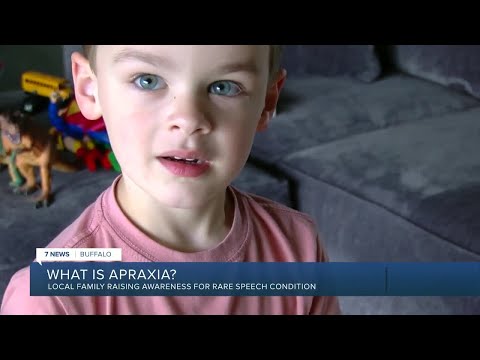
Hey, you! Have you ever heard of developmental dyspraxia? It’s one of those things that doesn’t get as much buzz as, say, ADHD or autism. But trust me, it’s just as important to understand.
Este blog ofrece contenido únicamente con fines informativos, educativos y de reflexión. La información publicada no constituye consejo médico, psicológico ni psiquiátrico, y no sustituye la evaluación, el diagnóstico, el tratamiento ni la orientación individual de un profesional debidamente acreditado. Si crees que puedes estar atravesando un problema psicológico o de salud, consulta cuanto antes con un profesional certificado antes de tomar cualquier decisión importante sobre tu bienestar. No te automediques ni inicies, suspendas o modifiques medicamentos, terapias o tratamientos por tu cuenta. Aunque intentamos que la información sea útil y precisa, no garantizamos que esté completa, actualizada o que sea adecuada. El uso de este contenido es bajo tu propia responsabilidad y su lectura no crea una relación profesional, clínica ni terapéutica con el autor o con este sitio web.
Imagine this: a kid who wants to join the soccer team but struggles to kick the ball without tripping over their own feet. Frustrating, right? That’s a little glimpse into the world of dyspraxia.
So, let’s chat about what this is really all about—symptoms that often fly under the radar, possible causes that can really throw you for a loop, and some cool ways we can help those navigating this tricky terrain. You with me? Let’s go!
Understanding the Causes of Dyspraxia: A Comprehensive Overview
Dyspraxia can be one of those topics that feels a bit mysterious, right? It’s basically a condition that affects coordination and movement, which isn’t always easy to spot. So let’s break it down together, shall we?
What is Developmental Dyspraxia?
It’s a motor skill disorder that makes it tough for someone to plan and execute movements. This means everyday tasks like writing or tying shoelaces can feel super challenging. Imagine being in a game of Simon Says but your brain isn’t connecting the dots quickly enough. Frustrating, huh?
Symptoms of Dyspraxia
When we talk about symptoms, they can show up in several ways. Here are some common signs you might notice:
- Poor coordination: Clumsiness or difficulty with physical activities.
- Difficulty with fine motor skills: Struggling to hold a pencil or use scissors.
- Problems with spatial awareness: Bumping into things often.
- Delayed speech development: Talking later than peers.
- Difficulties with planning: Trouble organizing thoughts or actions.
So, let me share a quick story here. A friend of mine had dyspraxia as a kid. She loved playing soccer but often struggled to kick the ball without tripping over her own feet! It didn’t stop her from trying out for the team though. With time and practice, she found ways to manage her skills better.
The Causes of Dyspraxia
Now, onto what causes this condition. It’s not entirely clear-cut, but researchers think it often stems from an interplay between genetic factors and how the brain develops.
- Genetics: If someone in your family has dyspraxia, there’s an increased chance you might also have it.
- Cognitive development: Early disruptions in brain development can impact motor skills.
- Nervous system issues: Sometimes the way signals travel in the nervous system can play a role too.
Think about how different video games require varying levels of coordination; if you’re not getting that coordination right from an early age, it could lead to challenges later on.
Support Strategies
So what can be done? There are definitely ways to support someone with dyspraxia:
- Therapy options: Occupational therapy can help improve motor skills over time.
- Sensory integration therapy: This focuses on helping them process sensory information better!
- A supportive environment: Encouraging patience and understanding at home or school goes a long way!
Just remember: these strategies don’t replace professional help! If you or someone you know is struggling, talking to an expert is really important.
Overall, dyspraxia might bring its challenges, but understanding it opens up paths for support and growth. Everyone’s journey is different; what works for one might not work for another. But hey! That’s life—figuring things out one step at a time!
Effective Strategies to Support a Child with Dyspraxia
Dealing with developmental dyspraxia can be a challenge for both kids and their parents. But hey, with the right strategies, you can offer support that makes a real difference! Let’s break it down.
What is Dyspraxia? Well, it’s basically a condition that affects movement and coordination. Kids might struggle with things like tying their shoes or catching a ball. It’s not just clumsiness; it’s more complex than that.
Symptoms can include:
- Poor balance and coordination.
- Difficulty with fine motor skills like writing or using utensils.
- Struggles in organizing thoughts, which can affect learning.
So, what can you do to help? Here are some effective strategies:
- Create a Routine: Kids thrive on structure. A consistent daily schedule helps them feel secure. You know, something simple like «After breakfast, we’ll work on our homework» can be really grounding.
- Break Tasks into Steps: Instead of asking your child to clean their room all at once, try breaking it down. «First, let’s pick up the toys; next, we’ll make the bed.» This makes big jobs less overwhelming!
- Encourage Playful Movement: Games like “Simon Says” or “Obstacle Courses” enhance coordination while keeping things fun! These activities help improve both gross motor skills and their confidence.
- Select Appropriate Tools: Sometimes traditional tools don’t cut it. You might want to look for chunky pencils or scissors designed for easier grip. These small changes make a big difference!
- Add Visual Aids: Using charts or colorful checklists can help your child remember tasks better. It’s like giving them a visual roadmap of what needs to be done!
- Praise Efforts: Always celebrate progress! Even if they didn’t nail it perfectly, acknowledge the effort they put in. It boosts self-esteem and keeps them motivated.
Anecdote time!
I remember helping my friend’s kid who had dyspraxia during a school project. At first, he was frustrated when cutting paper shapes—it just wouldn’t go as planned! But we turned it into a game: we pretended we were crafting magical creatures from another world. With each snip of the scissors representing dragon wings or fairy houses, he relaxed and began to enjoy the process while improving his skills!
The bottom line? Supporting your child with dyspraxia means understanding their unique challenges and making adjustments tailored to their needs. And while these strategies are helpful, they’re not substitutes for professional guidance—always keep communication open with teachers and specialists!
This journey may have ups and downs but remember: every little victory counts! Keep cheering them on!
Understanding Dyspraxia in Adults: Practical Insights and Strategies for Daily Life
Dyspraxia, also known as Developmental Coordination Disorder (DCD), isn’t just a childhood thing. It can stick around into adulthood, affecting various aspects of life. So, what is it? Well, in short, it’s a condition that impacts movement and coordination. It can make everyday tasks feel like climbing a mountain sometimes.
Symptoms of dyspraxia in adults can vary widely. You might notice:
- Poor coordination and balance—like tripping over your own feet or bumping into things.
- Difficulties with tasks that involve fine motor skills, such as writing or buttoning a shirt.
- Struggles with planning and organization, which can throw a wrench in daily activities.
- Difficulty following sequences or instructions—like when trying to assemble furniture from IKEA and ending up with leftover pieces!
Taking a moment to share an experience: I once had a friend who would always seem to spill their drink whenever we met up for coffee. At first, we all laughed about it, but eventually, I realized it was more than just clumsiness—it was frustrating for them and affected their social life. They had dyspraxia, which made those movements tricky.
The causes of dyspraxia aren’t completely understood yet. But they often relate to the way the brain develops and processes information. Factors might include:
- Genetics—if someone in your family has it, you might be more likely to have it too.
- Early brain development issues during pregnancy or early childhood.
Now onto the good stuff! What can you do about it? There are practical strategies that can help manage symptoms in daily life:
- Use visual aids: A colorful calendar or sticky notes around the house can boost your organization skills!
- Create routines: Having structured times for chores or activities makes things easier to manage.
- Break tasks down: Tackle bigger jobs by breaking them into smaller steps; this makes them feel less overwhelming.
- Practice mindfulness: Techniques like yoga or meditation can enhance focus and calmness during hectic moments.
You know what? Social support is another big deal! Talking about struggles with friends or family members who understand can be super comforting. Whether it’s commiserating about that one time you accidentally knocked over the nachos at a party (oops!) or sharing tips on how to make cooking less chaotic—it all counts!
No matter what strategies you try out, remember this: seeking professional help from therapists specializing in dyspraxia is totally okay! They’ve got tools and insights tailored specifically for you that might be just what you need.
To wrap this up: dyspraxia may present challenges but also opens opportunities for unique ways of moving through life. With understanding and support—from yourself and others—you’ve got this!
When I first stumbled upon the term «developmental dyspraxia,» I was honestly a little lost. It sounded like something out of a science fiction novel! But once I learned what it actually is, it all started to click. So, here’s the lowdown, you know?
Dyspraxia, also known as developmental coordination disorder (DCD), affects how people plan and execute movements. Imagine trying to tie your shoelaces or write your name and feeling like you’re stuck in slow motion while everyone else zooms ahead. Frustrating, right? It’s not just about clumsiness; it can mess with your confidence and social life too.
Some symptoms are pretty common. You might see difficulties with fine motor skills, which can make activities like buttoning a shirt or using scissors a real challenge. Then there’s trouble with balance and coordination—ever seen someone take a tumble over their own feet? Yeah, that could be dyspraxia messing with them. And then there’s the fatigue that often comes along for the ride; working twice as hard just to achieve everyday tasks can drain your energy fast!
Now, let’s talk about what causes it. Research suggests that it’s linked to how the brain develops and processes information. There isn’t a one-size-fits-all cause—sometimes it runs in families or is connected to other conditions like ADHD or autism. It really goes to show how unique each person’s experience with dyspraxia can be.
As far as support strategies go, there are some effective ways to help those dealing with this condition live their best lives! Patience is key—both from family and friends. Creating supportive environments helps tons too! Think of activities that focus on improving motor skills in fun ways; maybe throwing a ball around or playing games where coordination is key could do wonders.
It reminds me of watching my little cousin struggle at sports when he was younger—not exactly the most athletic kid on the block! Instead of pushing him into competitive teams right away, we made up fun challenges at home—like balancing bean bags on our heads while walking from one end of the kitchen to another. He had so much fun that before long, he started improving without even realizing it!
Overall it’s important to celebrate small successes along the way because every step counts! So whether you’re living with dyspraxia or know someone who is—it helps to recognize those achievements and offer encouragement instead of focusing on limitations.
You see? Life may throw curveballs at us sometimes; however we can find ways to navigate those twists together!