You know those people who just seem to suck the energy out of a room? Yeah, we all know ‘em. They’ve got that gift—or curse, really—of bringing negativity with them wherever they go.
Este blog ofrece contenido únicamente con fines informativos, educativos y de reflexión. La información publicada no constituye consejo médico, psicológico ni psiquiátrico, y no sustituye la evaluación, el diagnóstico, el tratamiento ni la orientación individual de un profesional debidamente acreditado. Si crees que puedes estar atravesando un problema psicológico o de salud, consulta cuanto antes con un profesional certificado antes de tomar cualquier decisión importante sobre tu bienestar. No te automediques ni inicies, suspendas o modifiques medicamentos, terapias o tratamientos por tu cuenta. Aunque intentamos que la información sea útil y precisa, no garantizamos que esté completa, actualizada o que sea adecuada. El uso de este contenido es bajo tu propia responsabilidad y su lectura no crea una relación profesional, clínica ni terapéutica con el autor o con este sitio web.
It’s like they have this dark cloud following them around, and it can really mess with your vibe, right?
But what makes them tick?
And how does their personality impact not just themselves but everyone around them too?
Well, grab a snack—seriously, snacks make everything better—and let’s chat about the traits of these negative personality types and what happens when we interact with them. Trust me; it’s gonna be eye-opening!
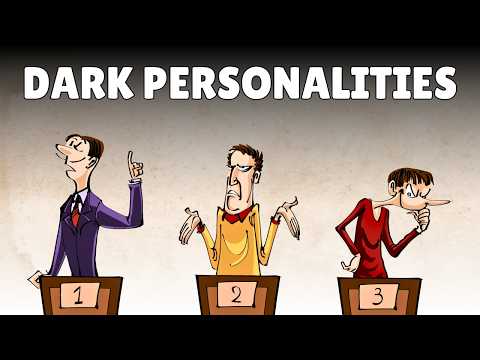
Understanding the 4 Dark Personalities: Traits and Implications
So, let’s chat about the four dark personalities. You know, those traits that can really mess with our interactions and relationships. They’re not just something out of a game or movie; these traits show up in real life, often causing chaos. Let’s break it down.
The first one is narcissism. Think of that friend who always needs to be the center of attention, right? Narcissists have this inflated sense of self-importance and a deep need for admiration. It’s like they’re living in their own world where they’re the star! They often lack empathy, which can make their relationships pretty shallow and one-sided.
- This personality type may often exaggerate achievements or talents.
- They can manipulate situations to make themselves look good.
- If you’re close to a narcissist, you might feel like you’re always walking on eggshells.
Then we have Machivellianism. This one sounds fancy but basically means being strategic and cunning at the expense of others. You know that kid in school who would do anything to win? Yeah, that’s a Machiavellian move! These people are manipulative and might use others as pawns in their game.
- They often have little regard for morality if it serves their goals.
- In friendships or workplaces, they might turn things competitive or try to sabotage others.
The third type is psychopathy. Now, before you picture a horror movie villain, remember it doesn’t always look like that. Psychopaths can be charming and charismatic on the surface but tend to lack empathy. They don’t feel guilt or remorse like most people do. It’s kind of chilling when you think about it!
- You might find psychopaths thriving in high-pressure jobs because they remain calm under stress.
- Their charm can be misleading; you might initially feel drawn to them only to later realize something’s off.
Lastly, there’s sadism. This isn’t your usual sad story type – it’s about deriving pleasure from someone else’s pain. Yikes! Sadistic personalities often find joy in humiliating or hurting others emotionally or physically. They might engage in bullying behavior or make light of someone else’s struggles just for kicks.
- This trait can make social environments toxic quickly!
- If left unchecked, sadistic behaviors can escalate into more dangerous territory.
The implications of these dark personalities are serious. They can impact friendships, family ties, workplace dynamics – basically every corner of life! If you’re stuck dealing with someone who shows these traits, it’s important not just for your mental health but also your overall well-being to set boundaries and seek support if needed.
You see? Understanding these traits can help you navigate relationships more effectively. But don’t forget: if you’re feeling overwhelmed by someone with a dark personality in your life, reaching out for professional help is always a smart move!
Exploring 5 Negative Qualities and Their Psychological Impact
Personality traits can have a huge impact on our lives, don’t you think? Some negative qualities seem almost harmless at first but can create a chain reaction of issues down the line. Let’s explore five common negative personality traits and their psychological effects, so you can spot them and maybe even avoid them in yourself or others.
- Perfectionism: Striving for flawlessness might sound good on paper, but it often leads to anxiety and disappointment. Perfectionists set unrealistically high standards, and when they inevitably fall short, it can wreak havoc on their self-esteem. Think about that friend who has the perfect Instagram feed but crumbles if one post doesn’t hit the mark. They’re probably feeling some serious pressure!
- Narcissism: This trait involves an inflated sense of self-importance. People with narcissistic tendencies may lack empathy and often demand admiration from others. The psychological impact? Well, they might have shallow relationships and struggle with genuine connections because they’re too focused on themselves. It’s like trying to play a cooperative game solo—eventually, everyone else just logs off.
- Impulsivity: Acting without thinking is a recipe for chaos! Impulsive people may make hasty decisions that lead to regret or risky behaviors. This not only affects their personal lives; it can also harm professional relationships. You know that friend who makes snap decisions during board games? Sometimes they lose the game—and friendships—because they didn’t think things through!
- Negativity: We all know someone who seems to find the cloud in every silver lining. This pessimistic outlook can drain energy from those around them and lead to feelings of despair or hopelessness within themselves. Imagine hanging out with someone constantly complaining about life; it wears you down after a while! Their negativity impacts group dynamics and overall morale.
- Control-freak tendencies: Trying to control everything can stem from anxiety or fear of uncertainty. But guess what? It actually breeds resentment among friends, family, or colleagues who feel suffocated by those demands. Take a team project where one person insists on calling all the shots; it often leads to frustration rather than collaboration—a classic case of “too many cooks in the kitchen” gone wrong!
The interesting thing here is that while these traits might seem unrelated at first glance, they often intersect in surprising ways. For instance, a perfectionist might also be impulsive when stress peaks—it’s like emotional whack-a-mole! Dealing with these traits isn’t easy because they’re often deeply rooted.
But here’s a reality check: recognizing these behaviors in ourselves or those around us is step one toward finding healthier patterns! Just remember that seeking support from professionals is key if things get overwhelming; talking things out really helps clear mental clutter.
In the end, we all have flaws—it’s part of being human! Embracing imperfections means letting go of unrealistic ideals and working toward healthier connections with ourselves and others. You get me? Keep reflecting on your own traits as well; turn that mirror around sometimes!
10 Negative Traits That Harm Relationships and Personal Growth
When it comes to relationships and personal growth, some negative traits can really throw a wrench in the works. You know how sometimes people just have that vibe that makes things harder? Well, it turns out these traits can seriously impact not just your connections with others, but also how you see yourself. Let’s break down 10 negative traits that harm relationships and personal growth.
- Defensiveness: This is when someone feels attacked and reacts by denying responsibility or blaming others. It’s like when you’re playing a game and instead of owning up to a bad move, you just start pointing fingers at your team. That’s no fun for anyone!
- Narcissism: A narcissistic person is often self-centered and doesn’t really care about others’ feelings. Imagine a game where one player only focuses on getting points for themselves, ignoring how their actions affect the team. Over time, people start to feel used.
- Criticism: Constantly criticizing loved ones can create a toxic environment. Picture this: you’re playing with friends, but one person always points out what you’re doing wrong without giving any praise. It gets frustrating quickly! That negativity can push people away.
- Insecurity: Insecure people often seek constant validation from others. It’s like they’re stuck in an endless loop of needing approval, which can be exhausting for those around them. Think of playing a co-op game where one teammate keeps asking if they did okay after every move—it’s tiring!
- Resentment: Holding onto grudges is like carrying heavy baggage around all the time! It weighs you down and affects how you interact with others. If someone feels wronged by a friend but never talks about it, that silence creates distance.
- Controlling Behavior: Trying to control situations or people leads to frustration for everyone involved. Imagine being in a group chat where one person dictates what games to play all the time—others might start leaving because it’s no fun anymore!
- Pessimism: A negative outlook can drain the energy from any relationship. If someone always sees the glass as half empty, it brings down everyone’s spirits—like playing a game where you only focus on losing rather than celebrating wins.
- Addiction Issues: Whether it’s substance abuse or excessive gaming, addiction can harm relationships by causing neglect or emotional withdrawal. Think about how many hours someone might spend gaming instead of connecting with friends or family—it takes a toll.
- Lack of Empathy: Not being able to understand or share in someone else’s feelings creates rifts in relationships. It’s kind of like being in an online match where everyone else understands each other’s frustrations except one player who keeps making things worse.
- Avoidance: Avoiding conflict or difficult discussions might seem easier at first, but it often leads to bigger problems later on. Just like dodging challenges in games means you’ll never level up—you miss opportunities for growth!
So there you have it! These traits play huge roles in shaping our interactions and personal journeys. If any of these sound familiar (even within yourself), it could be worth taking some time for reflection—or even seeking help if needed! Remember: knowing is half the battle; working on these things can help improve your life immensely!
Okay, let’s talk about negative personality types. You know those folks who seem to bring a rain cloud wherever they go? They might be pessimistic, overly critical, or just plain grumpy. It’s like they have a dark filter on their lives. And while we all have our off days (trust me, I have mine), some people just seem to embrace negativity as a lifestyle choice.
I once had a friend who was always the “downer” in our group. You know, the one who would look for problems instead of solutions? Like, when we were planning a weekend trip, instead of joining in on the excitement, she’d point out all the things that could go wrong: traffic jams, bad weather—you name it! It was exhausting. After a while, hanging out with her felt heavy, like carrying an emotional backpack full of rocks.
So what are some traits you might notice with these negative personality types? Well, they often exhibit consistent pessimism and cynicism. They tend to focus more on flaws than strengths and can be really critical—sometimes unnecessarily so! You might also notice that they struggle with empathy. So when you share something great that happened to you, they could respond by downplaying it or shifting the focus back onto themselves.
Those traits not only affect how they interact with others but also how they experience life. People around them may feel drained or anxious because negativity can be contagious. Just think about it: If you’re constantly surrounded by someone who’s always seeing the glass half empty, you might start feeling that way too!
And here’s another interesting tidbit—negativity can even impact health! Stress from dealing with such personalities can lead to headaches or insomnia. I mean seriously!, who needs that added stress in their life?
But let’s not forget that sometimes it’s rooted in deeper issues like fear or insecurity. It’s easy to dismiss someone as just “negative,” but there could be much more happening under the surface.
That being said—if you find yourself entangled with one of these personalities too often—and trust me it happens—you’ve gotta protect your own vibe! Setting boundaries is key here; it’s okay to take breaks or limit exposure when needed.
Taking all this into account reminds me of my friend Rachel who flipped her perspective after reflecting on her own struggles with negativity. She consciously opted for gratitude practices and started sharing positive news whenever someone else brought up complaints – a genuine shift! Now she feels lighter and has inspired others around her to do the same.
In short: sure, negative personality types exist and they can affect us deeply; but there’s always room for change and growth. Sometimes it’s about finding your balance while being empathetic towards their journeys too. That’s life for ya—complex but worth navigating together!