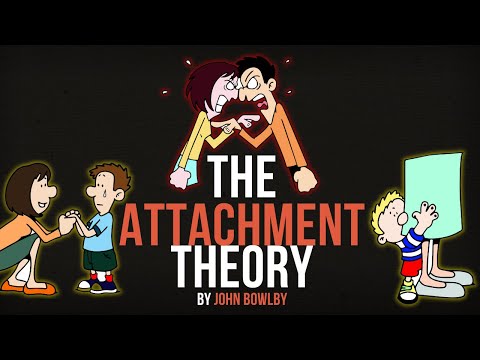
Okay, so let’s chat about something that hits home for a lot of us: attachment. You know, those deep emotional bonds we form with others.
Este blog ofrece contenido únicamente con fines informativos, educativos y de reflexión. La información publicada no constituye consejo médico, psicológico ni psiquiátrico, y no sustituye la evaluación, el diagnóstico, el tratamiento ni la orientación individual de un profesional debidamente acreditado. Si crees que puedes estar atravesando un problema psicológico o de salud, consulta cuanto antes con un profesional certificado antes de tomar cualquier decisión importante sobre tu bienestar. No te automediques ni inicies, suspendas o modifiques medicamentos, terapias o tratamientos por tu cuenta. Aunque intentamos que la información sea útil y precisa, no garantizamos que esté completa, actualizada o que sea adecuada. El uso de este contenido es bajo tu propia responsabilidad y su lectura no crea una relación profesional, clínica ni terapéutica con el autor o con este sitio web.
Ever heard of Bowlby and Ainsworth? These two are like the dynamic duo of attachment theory. Seriously, their ideas have shaped how we understand relationships. It’s pretty wild!
Think about your childhood for a sec. How did your parents or caregivers relate to you? Those early experiences really stick with us, don’t they? Bowlby and Ainsworth aimed to crack open that mystery and figure out why some people form secure connections while others struggle.
So grab a comfy seat, and let’s dig into their work! You might just see some of your own stuff in there.
Bowlby and Ainsworth Attachment Theory: Comprehensive PDF Guide
Alright, let’s talk about Bowlby and Ainsworth and their big contributions to what we call attachment theory. This idea’s all about the deep emotional bonds we form, usually between a child and their primary caregiver. The concept is super important, so let’s break it down!
John Bowlby was the first to take a swing at understanding attachment. He thought that a child’s relationship with their caregiver was crucial for their development. Basically, he believed that our earliest experiences set the stage for how we connect with others later in life. Bowlby called this the “attachment behavioral system,” which is just a fancy way of saying we’re wired to seek close relationships.
Then came Mary Ainsworth, who worked alongside Bowlby. She expanded on his ideas with her famous “Strange Situation” study. In this experiment, she observed children in a room filled with toys while their caregivers came and went. It was like an emotional game of peek-a-boo! The kids’ reactions to their caregivers returning or leaving gave Ainsworth insight into different types of attachment styles.
She identified three main ones:
- Secure Attachment: These kids felt safe when their caregiver was around and trusted them to come back after being away.
- Avoidant Attachment: Kids in this category seemed indifferent when the caregiver left or returned, almost like they were saying, «Whatever.»
- Anxious-Resistant Attachment: These kids would get super upset when the caregiver left and then be anxious or clingy upon return, not quite knowing if they could trust them.
To give you a relatable example: imagine playing hide-and-seek. If you know your friend will always come find you and you feel comfortable hiding away, that’s like secure attachment! But if your friend sometimes never shows up—well, that would make you feel anxious or maybe avoid playing altogether.
Now why does this matter? Understanding these attachment styles helps us see how our early bonds affect our relationships later in life! You might notice people who have secure attachments tend to have healthier relationships as adults; they’re more likely to communicate well and trust others.
On the other hand, those with avoidant attachments might struggle with intimacy or push people away because drawing close feels scary. And folks with anxious attachments may find themselves feeling insecure or overly jealous—like they’re always waiting for someone to leave!
Remember though: while this theory gives us valuable insights into human behavior—it doesn’t cover everything. Life’s complicated! There are tons of other factors at play in each person’s experience.
In case you’re wondering about how practical this knowledge is: it’s often used by therapists when exploring people’s past relationships or even in parenting strategies today—kind of like putting together pieces of a puzzle!
So there you have it—Bowlby laid down the groundwork for understanding why we attach to others, while Ainsworth provided ways to measure those attachments through observation. It’s fascinating stuff and really gets at what makes us human—you know?
You should definitely keep all this in mind as you navigate your own relationships! Just remember that if you’re feeling stuck or overwhelmed by it all, there’s no shame in reaching out for help from a professional who can guide you further on your journey.
Bowlby’s Attachment Theory: Comprehensive PDF Guide and Overview
Bowlby’s Attachment Theory is a big deal in psychology. It helps us understand how our early relationships, especially with caregivers, shape our emotional and social lives. Let me break it down for you.
John Bowlby, a British psychologist, believed that the bonds formed between infants and their primary caregivers are crucial to their development. He thought that children come into the world biologically programmed to form attachments. This makes sense, right? When a baby cries or smiles, they’re trying to connect with adults—like virtual game characters reaching out for help!
Then there’s Mary Ainsworth, who took Bowlby’s ideas further. She introduced something called the “Strange Situation.” Picture this: a child is brought into a room with their mom, then the mom leaves, and a stranger enters. How does the kid react when the mom comes back? Ainsworth noticed different attachment styles based on how kids responded.
Here are some key points about these attachment styles:
- Secure Attachment: This is when babies feel safe and supported. They cry when the caregiver leaves but are happy when they return—think of it as getting excited when your best friend comes back to your gaming squad after taking a break.
- Avoidant Attachment: These kids tend to avoid or ignore their caregivers. They seem independent and don’t often show distress when separated—like that player who insists they can win solo without teamwork.
- Ambivalent (or Anxious) Attachment: These kids get really upset when separated but aren’t always comforted by their caregiver’s return. They might cling one minute and push away the next—it’s like being torn between wanting help in-game but also feeling frustrated by your teammates.
- Disorganized Attachment: This style is a bit more complicated; these kids show inconsistent behavior. They might act confused or scared around their caregiver—kind of like feeling lost in an open-world game with no clear objective.
Bowlby viewed attachment as essential for survival; he described it as an «evolutionarily adaptive» behavior. Basically, having strong bonds with caregivers keeps children safe from harm—and let’s be real, every player needs a support system!
Ainsworth’s research highlighted how these attachments could influence social relationships later in life. If you had secure attachments as a kid, you’re more likely to have healthy relationships as an adult; if you grew up with anxious or avoidant styles, it might be trickier.
Understanding all this isn’t just academic; it’s about real lives! For example, think about how someone who had insecure attachments might struggle with trust in adult relationships or feel anxious during new social situations.
It’s important to remember that while Bowlby and Ainsworth laid this foundation for understanding attachment styles, we’re all unique individuals shaped by various experiences beyond just childhood connections.
Oh! And if you’re dealing with your own attachment issues or finding these concepts resonate strongly with you? It might be helpful to talk it over with someone who knows what they’re doing—a therapist can provide personalized insight tailored just for you!
So yeah! That covers some basics around Bowlby’s Attachment Theory and Ainsworth’s contribution to it. Hope that cleared things up!
Bowlby Attachment Theory 1969 PDF: Key Concepts and Implications for Developmental Psychology
Sure, let’s break this down into some key ideas about Bowlby’s Attachment Theory, which is pretty important in understanding how we grow and relate to others.
John Bowlby came up with this theory in the late 1960s. He believed that there’s a deep bond between kids and their primary caregivers, usually their parents. This connection shapes how children develop emotionally and socially, which is really fascinating stuff!
- Attachment Styles: Bowlby identified different attachment styles based on how children interacted with their caregivers. Secure attachment happens when caregivers are responsive and reliable.
- Insecure Attachment: This can be divided into two types: anxious and avoidant. Anxious kids may cling too much due to inconsistent caregiving. Avoidant kids might push caregivers away because they learned to rely on themselves.
- Internal Working Models: These are mental frameworks formed in childhood based on early interactions with caregivers. They influence how we see ourselves and others throughout life.
Now, let’s talk about Mary Ainsworth, who took Bowlby’s ideas further with her own research. She designed the «Strange Situation» experiment. Imagine a room where a child plays while their mom is nearby—then she leaves, and eventually comes back. The way a child reacts can reveal their attachment style.
- Secure Children: They’re likely to get upset when mom leaves but are comforted when she returns.
- Anxious-Ambivalent Children: They can be super clingy or get really angry when mom comes back.
- Avoidant Children: They may ignore mom and seem indifferent to her leaving or returning.
So why does this matter? Well, the implications for developmental psychology are huge! If you have secure attachments early on, you’re more likely to build healthy relationships later in life. You know what I’m saying? It all stems from that core bond.
Think of it like playing a game of tag where your caregiver is “it.” If they consistently tag you (respond), you learn the game well—you’re able to run freely! But if they’re unpredictable about tagging you (sometimes chasing you but other times ignoring you), it creates confusion on how safe it is to play—that’s where those insecure styles come from.
Remember though—this isn’t just an academic exercise. Real-life experiences vary greatly from person to person. Attachment theory gives us a framework, but each situation is unique.
And hey, if you’re finding these patterns affecting your life negatively, don’t hesitate to reach out for help from a therapist or counselor! It’s never too late to work through those early experiences.
You know, memory can be a funny thing. I remember when I first stumbled upon attachment theory in college – it felt like someone had opened a door to a room full of insight. John Bowlby and Mary Ainsworth were the keyholders, and what they discovered about how we bond with others is just so profound.
Let’s take Bowlby, for example. He kicked things off by suggesting that our earliest relationships shape our future ones. Imagine little you, looking up at your caregiver, feeling safe or scared based on their reactions. Bowlby believed that these early experiences form what he called “attachment styles.” There’s secure attachment, where you feel comfortable exploring the world, knowing someone is there for you; then there’s anxious attachment, where you might worry if your needs will be met or if you’ll get abandoned.
Now enter Ainsworth. She built on Bowlby’s ideas with her famous “Strange Situation” experiment – it sounds a bit like a weird game show, right? But it was all about observing kids and how they react when separated from their mother. The way these little ones responded told us so much about their attachment styles! Some cried when mom left but were super excited upon her return; others seemed indifferent: no big deal if mom was around or not.
Thinking back to my own childhood, I can see how those attachment patterns took root in my relationships. There were moments when I felt really secure with friends and family—like those Saturday afternoons spent laughing over pizza with my best bud. But then there were also times of uncertainty that made me clingy or distant in other friendships.
So why does this even matter? Well, understanding these patterns can help us navigate adult relationships more consciously. If we know why we react certain ways in love or friendship—whether it’s holding back emotionally or oversharing—we can work on it! It’s kind of liberating, really.
Bowlby and Ainsworth opened up this entire conversation about emotional connections and gave us tools to better understand ourselves and each other. And isn’t that something worth reflecting on? The journey of figuring out our attachments is pretty wild but also incredibly rewarding. So next time you’re feeling an itch deep down in your emotional core, think back to those fundamental ideas from Bowlby and Ainsworth—it just might shed some light!

