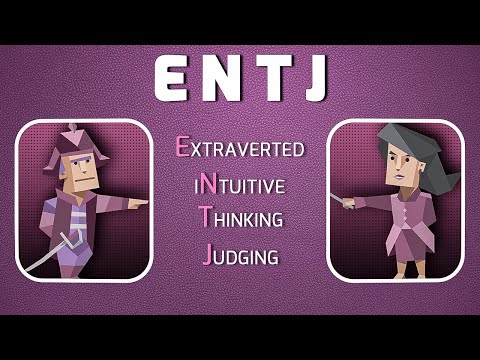
Alright, my friend, let’s chat about something pretty fun—MBTI personality types. You know, those four-letter codes that seem to define who we are? It’s like a personality cocktail, shaken not stirred.
Maybe you’re an ENFP who lights up the room or an INTJ plotting your next big move in the corner. Cool, right? Seriously, these types can reveal a lot about how we think and interact with the world.
Este blog ofrece contenido únicamente con fines informativos, educativos y de reflexión. La información publicada no constituye consejo médico, psicológico ni psiquiátrico, y no sustituye la evaluación, el diagnóstico, el tratamiento ni la orientación individual de un profesional debidamente acreditado. Si crees que puedes estar atravesando un problema psicológico o de salud, consulta cuanto antes con un profesional certificado antes de tomar cualquier decisión importante sobre tu bienestar. No te automediques ni inicies, suspendas o modifiques medicamentos, terapias o tratamientos por tu cuenta. Aunque intentamos que la información sea útil y precisa, no garantizamos que esté completa, actualizada o que sea adecuada. El uso de este contenido es bajo tu propia responsabilidad y su lectura no crea una relación profesional, clínica ni terapéutica con el autor o con este sitio web.
Ever had one of those moments where you just vibe with someone? That might be because your personalities click. Or maybe you’ve had a total clash with someone else. Yeah, that too!
So, how do these types work? Let’s dig into the colorful world of MBTI characters and see what makes each one tick! Trust me; it’ll be a blast!
Exploring Anime Characters Through MBTI Personality Types and Their Traits
- MBTI Basics: So, the Myers-Briggs Type Indicator (MBTI) is all about understanding how people think, feel, and interact. It’s broken down into 16 personality types. Each type is a combination of four traits: Introversion (I) or Extraversion (E), Sensing (S) or Intuition (N), Thinking (T) or Feeling (F), and Judging (J) or Perceiving (P).
- Anime Characters: Anime has a treasure trove of characters that can fit neatly into these types. Think about it: characters are often defined by their distinct traits, quirks, and how they face challenges. It’s kind of like watching people in real life but with added flair!
- ENFP – The Campaigner: Let’s start with ENFPs! They’re known for being energetic and imaginative. A great example is Naruto Uzumaki from «Naruto.» He’s spontaneous and loves connecting with others. His adventurous spirit often inspires his friends to be their best selves.
- INTJ – The Architect: Then we have INTJs! They’re strategic thinkers who plan meticulously. Lelouch Lamperouge from «Code Geass» is a classic INTJ—always three steps ahead in his mind games, using his intellect to outsmart opponents.
- ISFJ – The Defender: ISFJs are known for their kindness and reliability. Sakura Haruno, also from «Naruto,» displays strong ISFJ traits with her loyalty to her friends and her nurturing nature as a healer.
- ENTP – The Debater: ENTPs love challenges and debate! L Lawliet, from «Death Note,» embodies this type as he constantly engages in battle of wits with Light Yagami, driven by the thrill of the intellectual challenge.
- ESFJ – The Consul: If you think about characters who support others socially, then ESFJs fit the bill perfectly! Todoki Izuku, aka Deku from «My Hero Academia,» shines here with his empathy and dedication to helping his classmates succeed.
- The Importance of MBTI: Understanding these types can really help you connect more deeply with both characters and even your friends or yourself. When we see similar traits in beloved anime heroes, we might discover something about our own personalities too!
- No Replacement for Professional Help: Remember though—while this info can be fun and insightful, it’s not a substitute for professional guidance if you’re ever feeling overwhelmed. Personalities are complex; there’s no one-size-fits-all answer!
So yeah, exploring anime through the lens of MBTI can be really fun! It gives those colorful characters even more depth when you realize what drives them. You know? It makes watching your favorite shows feel like more than just entertainment—it’s like psychology meets art in an epic showdown!
Discover Your MBTI Personality Type: Traits and Insights from Our Interactive Quiz
So, you’re curious about the MBTI personality types? Cool! The Myers-Briggs Type Indicator (MBTI) is a popular tool that helps people understand their personality. It’s based on four dichotomies which create 16 unique personality types, each with its own traits and insights.
Let’s break down these dichotomies:
- Introversion (I) vs. Extraversion (E): This reflects where you get your energy from. Introverts recharge by spending time alone, while extraverts thrive in social situations.
- Sensing (S) vs. Intuition (N): This is about how you take in information. Sensing types focus on the present and concrete details, while intuitive folks look at the big picture and future possibilities.
- Thinking (T) vs. Feeling (F): This dimension deals with decision-making. Thinkers prioritize logic and objectivity, whereas feelers value emotions and personal values when making choices.
- Judging (J) vs. Perceiving (P): This describes how you interact with the outside world. Judging types prefer structure and predictability, while perceiving types are more flexible and spontaneous.
When you combine these dichotomies, you get 16 different personality types like INFP or ESTJ! Each type has its own quirks that can help explain why some people vibe well together while others clash.
For example, let’s consider an INFP. These individuals are often considered idealists or dreamers. They tend to be empathetic, creative, and a bit introspective. You might find them daydreaming about their next big project or writing poetry in a cozy café.
On the other hand, if we look at an ESTJ—these guys are typically organized leaders who thrive on structure and efficiency. They’re like the friends who always keep everyone on track during group projects or game nights, making sure everyone plays fair!
The beauty of understanding your MBTI type is that it can improve your self-awareness and your relationships with others. Knowing your type can help clarify what environments you thrive in or what kind of work suits your strengths.
And hey, if you’re ever stuck playing team-building games at work, understanding these personality dynamics can really help! For instance, pairing an introvert with an extravert might balance out ideas during a brainstorming session—one brings creativity while the other pushes for action!
A little side note: remember this doesn’t replace professional advice! If you’re feeling overwhelmed or confused about your personality traits—or anything else for that matter—it’s always a good idea to consult a mental health professional for proper guidance.
In summary: taking time to explore your MBTI type gives you insights into who you are and how to interact better with those around you. Whether you’re looking to improve relationships or just satisfy your curiosity—there’s something here for everyone!
Understanding the MBTI Test: A Comprehensive Guide to Personality Types and Their Implications
The MBTI, or the Myers-Briggs Type Indicator, is like a fun personality quiz but with a whole lot more depth. It helps you figure out how you view the world and make decisions. You’ve probably seen those 16 personality types thrown around, right? Let’s break it down.
How does it work? The MBTI sorts people into four pairs of opposing preferences:
- Introversion (I) vs. Extraversion (E): Do you recharge alone or with others? Introverts enjoy solitude, while extraverts thrive in social settings.
- Sensing (S) vs. Intuition (N): Do you focus on details or big pictures? Sensors are all about facts and present realities, whereas intuitives love possibilities and patterns.
- Thinking (T) vs. Feeling (F): Do you prioritize logic or emotions? Thinkers make decisions based on analysis; feelers weigh emotional impact more heavily.
- Judging (J) vs. Perceiving (P): Do you prefer structure or flexibility? Judgers like things planned out, while perceivers enjoy spontaneity.
So when you combine these preferences, you get one of those sixteen personality types like INFP or ESTJ. Each type has its own vibe and traits.
Why does it matter? Well, knowing your type can help improve your self-awareness and relationships. Let me tell you something personal here: I once took the MBTI test during a college workshop. I got ENFP – the “Campaigner.” It totally made sense! I love brainstorming ideas with friends and getting excited about new projects! But hey, my roommate was an ISTJ – “Logistician,” who thrived in structured environments with clear goals. We learned to appreciate each other’s styles, which was pretty cool.
When it comes to work or friendships, understanding these types can smooth out a lot of misunderstandings. For instance:
- If you’re a thinker debating with a feeler about a project at work, remember they might be focusing on how others feel about the outcome!
- A sensing person could be puzzled by an intuitive’s abstract ideas—they just want straightforward details first.
And speaking of relationships: picture playing a co-op video game where each character has unique strengths—just like personality types! One player might be great at strategy while another excels at quick decision-making.
The implications for life are really interesting too! For example:
- Your career path could align better with your type; an ENFJ might excel in teaching or counseling because they’re natural leaders.
- Your relationship dynamics can shift; some types might struggle if they don’t understand each other’s needs—like trying to play together without knowing each player’s role!
It’s not just about pigeonholing people into boxes though—this isn’t some rigid framework! People are complex and unique beyond their MBTI letters.
But remember—this isn’t professional therapy advice or anything close to that. If you’re facing serious issues in life or relationships, talking to someone who specializes in mental health is key.
All said and done: The MBTI provides insights that can help us understand ourselves better and improve our interactions with others, all while keeping things light-hearted and fun! So why not give it a shot? You may learn something surprising about yourself!
So, let’s chat about MBTI personality types—those quirky labels that seem to pop up everywhere these days! You know what I’m talking about, right? The Myers-Briggs Type Indicator has this whole system where it assigns you one of 16 personality types. Each type is a mix of preferences like introversion or extraversion, thinking or feeling, and so on.
Now, I remember when I first took the test. I was a bit skeptical at first—like, really? A simple quiz can tell me who I am? But after seeing my results as an INFP—an idealistic dreamer—I couldn’t help but nod along. The traits seemed to resonate so much with my insistence on values and creativity. It was like holding up a mirror to my soul!
Anyway, let’s break it down a little. Each personality type consists of four dichotomies:
- Introversion (I) vs. Extraversion (E): This one’s about where you get your energy. Introverts recharge by spending time alone while extraverts thrive on social interactions.
- Sensing (S) vs. Intuition (N): Sensing types focus on facts and experiences; intuitive folks prefer the big picture and ideas.
- Thinking (T) vs. Feeling (F): Thinkers base decisions on logic while feelers prioritize emotions and values.
- Judging (J) vs. Perceiving (P): Judging types like structure and planning; perceiving types are more spontaneous and flexible.
It seems straightforward enough, right? But here’s where it gets interesting: those combinations create personalities that can really vibe or clash in real life! Like my friend Alex is an ENTJ—super organized and driven—while I’m off in my daydreams trying to find poetic meaning in everything.
What’s wild is how these traits affect relationships and work styles too! For example, if you’re an ISFJ—known for their nurturing ways—you might find yourself gravitating towards careers in healthcare or education because you want to help others. On the other hand, if you’re an ESTP—a total go-getter—you might be chasing adrenaline through adventurous careers or leadership roles.
But it’s not just about work or love! It’s fascinating how this framework can guide you through personal growth as well. Like, once you know your type, you can recognize areas where you might want to stretch yourself; maybe take more risks or work on your extroverted side more.
And sure, there are some criticisms out there regarding MBTI’s validity among psychologists—it’s not perfect—but isn’t it cool to have this lens through which we can better understand ourselves and our friends? It gives us language for things we might’ve felt but couldn’t articulate before.
In the end, whether you’re into MBTI or think it’s just a fun little quiz floating around online, it’s still a nifty way to reflect on who we are as humans navigating this crazy world together! So the next time someone talks about being an INTJ or whatever, instead of rolling your eyes at another quirky label remember—they might just be expressing something deeper about their thoughts and feelings!