Hey there! So, let’s chat about something we all think about at some point—our character. You know, those quirks and traits that make you, well, you?
Este blog ofrece contenido únicamente con fines informativos, educativos y de reflexión. La información publicada no constituye consejo médico, psicológico ni psiquiátrico, y no sustituye la evaluación, el diagnóstico, el tratamiento ni la orientación individual de un profesional debidamente acreditado. Si crees que puedes estar atravesando un problema psicológico o de salud, consulta cuanto antes con un profesional certificado antes de tomar cualquier decisión importante sobre tu bienestar. No te automediques ni inicies, suspendas o modifiques medicamentos, terapias o tratamientos por tu cuenta. Aunque intentamos que la información sea útil y precisa, no garantizamos que esté completa, actualizada o que sea adecuada. El uso de este contenido es bajo tu propia responsabilidad y su lectura no crea una relación profesional, clínica ni terapéutica con el autor o con este sitio web.
It’s pretty wild how much our personality shapes our lives. Seriously! From the way we tackle challenges to how we connect with others.
Ever had one of those days where you feel all mixed up inside? Maybe you just can’t figure out why you reacted a certain way. I’ve been there!
Understanding your character can be like holding up a mirror to yourself. It shows your strengths and weaknesses, the stuff that lights you up and what might trip you up.
So, let’s dive into this whole character thing together. It’s gonna be a fun ride!
Key Character Traits That Define Your Personality and Impact Your Life Choices
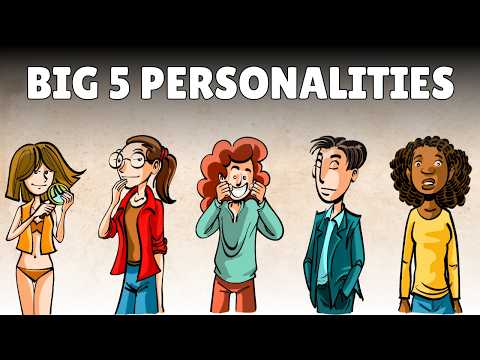
So, let’s talk about character traits, shall we? These are the building blocks of your personality – the things that shape how you think, feel, and act. They’re like the secret sauce in your life choices. Want to know why you react a certain way in stressful situations or why you pick certain friends? Yep, it usually comes down to these traits.
Openness to Experience is one of those key traits. If you’re someone who loves trying new foods or is always up for an adventure, chances are you score high on this trait. It’s all about being curious and open-minded. For example, imagine playing an open-world game where there are endless quests; if you’re eager to explore every corner and talk to every character, that’s a sign of high openness.
Then there’s Conscientiousness. This one’s all about being responsible and organized. It can dictate how you approach your job or schoolwork. If you’ve got that innate ability to plan ahead and keep schedules? You might be more conscientious than most people. Think about it like playing a strategy game: if you’re making detailed plans before moving forward, you’re probably pretty good at this trait.
Moving on to Extraversion. This trait energizes social butterflies! You’re likely the life of the party or someone who enjoys big gatherings if you’re an extravert. But hey, being an introvert doesn’t mean you can’t shine too! Think of it like being in a multiplayer game: some folks thrive when teaming up with others while others prefer going solo for those intense boss battles. Both play styles have their merits.
Now let’s not forget Agreeableness. People who are high in agreeableness tend to be compassionate and friendly. If you find yourself going out of your way to help others or avoid conflicts, you probably score pretty well here! Picture yourself as the healer in a team – always ready to lend a hand when things get tough.
Finally, we have Neuroticism. This one’s tricky because it relates to emotional stability; higher levels mean you might feel anxious or moody more often than others do. If small setbacks really throw you off course – yeah, that’s neuroticism talking. It’s kind of like getting knocked out early in a game; it can shake your confidence for a while.
So here’s where it gets interesting: these traits don’t exist in isolation; they interact with each other! You know how some characters in games have combined skills that make them more effective? Same idea here! For instance:
- High Openness + High Extraversion: You might be adventurous and social, leading you toward exciting career paths.
- High Conscientiousness + Low Neuroticism: You could be super organized but stay calm under pressure – perfect for leadership roles!
- High Agreeableness + Low Conscientiousness: While you’d get along with everyone easily, maybe planning isn’t your strong suit.
All these combinations create unique personalities that impact choices throughout life—everything from friendships to career paths can hinge on these traits!
Remember though, while understanding these character traits gives great insight into who we are as people, they don’t define our entire existence or limit us completely. We can change and grow; we just need awareness (and sometimes maybe even some pro guidance) along the way!
So next time you’re reflecting on your choices—or even chatting with friends—think about these traits at play behind the scenes! They really do shape what makes us tick.
Identifying Your Unique Self: The 5 Key Traits and Characteristics
Figuring out who you really are can feel like a bit of a quest, right? Like you’re on this epic journey, trying to unlock the secrets of your unique self. There are some key traits and characteristics that can help you carve out that sense of identity, so let’s explore what they are. It’s like getting to know your character in a video game—understanding your strengths and weaknesses helps you play the best version of yourself!
- Openness: This trait is all about how willing you are to experience new things. Do you love trying out new hobbies or diving into different cultures? If so, this might be one of your defining features. Think about it: someone who’s open is like that player in an adventure game who explores every corner, finding hidden treasures along the way.
- Conscientiousness: Ever met someone super organized who thrives on planning everything in their life? That’s conscientiousness for you! It reflects how much discipline and responsibility you bring to the table. Picture a character in a strategy game always making calculated moves—this is someone who thinks ahead before acting!
- Extraversion: Are you the life of the party or more of a quiet observer? Extraversion measures how social and energetic you are. You know those characters in games known for rallying others for epic quests? That’s what extraverts do—they draw energy from being around people. But if you’re more introverted, that’s cool too! You might find comfort in solo quests where you gather resources and level up on your own.
- Agreeableness: This trait involves how compassionate or cooperative you are with others. If you’re quick to lend a hand or listen when friends need advice, then agreeableness could be one of your key traits. Think of it as being that character who always helps out in team missions—building relationships is just as important as scoring points!
- Neuroticism: Okay, this one sounds kind of intense, but it refers to emotional stability. High neuroticism can mean feeling anxious or easily stressed—you know those characters who panic when faced with challenges? They tend to be more sensitive to pressure. It’s good to recognize this trait because understanding it can help with managing stress better.
So there you have it! These five traits outline some major parts of your unique character profile—just like leveling up in a game! And remember: recognizing these aspects doesn’t replace professional help if you’re navigating through tough stuff; think of it as having a better understanding of your gameplay mechanics!
If you’re feeling stuck or uncertain while figuring all this out, don’t hesitate to talk things over with someone skilled in mental health—it can really make a difference.
Exploring Character Traits: Clear Examples That Define Your Personality
Exploring character traits can be a fun way to get to know yourself better. You know, it’s like looking in a mirror and seeing not just your face but your personality shining through. These traits shape how you interact with the world, make decisions, and even respond to different situations.
Think of your character traits as the building blocks of who you are. Some people might be naturally more outgoing, while others lean towards being more reserved. Both types are cool in their own ways! Here are a few character traits that often define people:
- Openness: This trait is all about being open to new experiences and ideas. If you’re someone who loves trying new foods or diving into different cultures, congratulations—you’re likely high in openness!
- Conscientiousness: Being organized and reliable falls under this category. Picture that friend who always remembers birthdays or keeps their workspace tidy; they’re probably scoring high on conscientiousness.
- Extraversion: You may know this one well—a person who thrives in social settings, loves chatting with anyone, and recharges by being around others is an extravert.
- Agreeableness: If you find yourself often compromising for peace’s sake or just wanting to make others happy, you might be quite agreeable. It’s the warm-hearted friend trait!
- Neuroticism: This one’s often misinterpreted; it relates to emotional stability. Those low in neuroticism handle stress like champs while those high may feel overwhelmed more easily.
To illustrate these personality traits, think about video games for a second! You’ve got characters like Mario—he’s friendly (agreeable) and brave (open), while someone like Batman could score higher on conscientiousness because he has plans for everything.
Understanding where you fall on these scales can really help you navigate life better! Maybe you’re always late because of your laid-back personality (which could mean lower conscientiousness). Or perhaps you’re increasingly drawn into social circles because that extroverted side is starting to shine brighter.
Here’s a quick moment from my life: I once took a personality test just for kicks—and wow! It turns out I score really high on openness but not so much on conscientiousness. That means I love exploring new ideas but might sometimes forget where I put my keys (classic me!).
So digging deeper into these traits can help you understand **yourself** and how you interact with the world around you. But remember, exploring your character traits is just one part of self-discovery.
If you’re looking at changes in yourself or just want tips on working through emotions tied to these traits, consider reaching out to someone trained—like a therapist or counselor—for guidance. They can help bring clarity and depth that goes beyond simple personality quizzes!
In the end, knowing what drives your behaviors can lead to personal growth and healthier relationships with others—really helps with understanding yourself!
You know, each one of us has this unique mix of traits that really shape who we are. It’s like a recipe, you know? You throw in some kindness, a sprinkle of humor, and maybe a dash of stubbornness, and you get a whole person! Sometimes it’s fun to think about what makes us tick and how our character traits influence our lives and relationships.
I remember this one time when I was hanging out with a friend who always seemed so laid-back. Seriously, I used to wonder if he was made of marshmallows or something! But one day, he had this issue at work that could have sent most people into a tailspin. Instead of flipping out, he approached it calmly—he just rolled with the punches. That was a moment for me; it opened my eyes to how his easygoing nature didn’t just define him but also helped him navigate life’s little curveballs.
So let’s break down what these traits are. You’ve got your core ones—like openness or agreeableness—that make you more likely to embrace new experiences or get along with others. Then there are those quirky ones—maybe you’re an overthinker or super competitive? These can really color how you interact with the world.
But here’s the thing: understanding these traits isn’t just for self-reflection; it’s like having your own personal roadmap. When you recognize what makes you tick, it helps in dealing with challenges and building better relationships. For instance, if you know you tend to be a bit anxious about social situations, then maybe setting small goals for yourself could make it easier to step out there.
And don’t forget the role your environment plays! We absorb so much from our surroundings—what’s valued in your family or friend group matters too. If growth is encouraged at home, chances are you’re gonna carry that trait into adulthood.
In the end, taking stock of your character traits can really lead to some cool insights about yourself. It’s not about boxing yourself in; rather it opens up possibilities for growth and connection with others. So next time you’re feeling stuck or confused about who you are, take a moment to reflect on those traits shaping your journey—it might just lead to some fun discoveries!