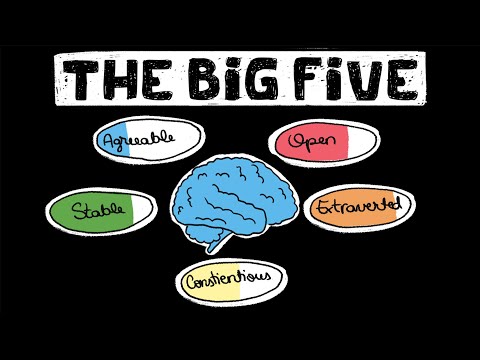
Hey! Let’s talk about extraversion. You know, that bubbly personality type that lights up the room?
Este blog ofrece contenido únicamente con fines informativos, educativos y de reflexión. La información publicada no constituye consejo médico, psicológico ni psiquiátrico, y no sustituye la evaluación, el diagnóstico, el tratamiento ni la orientación individual de un profesional debidamente acreditado. Si crees que puedes estar atravesando un problema psicológico o de salud, consulta cuanto antes con un profesional certificado antes de tomar cualquier decisión importante sobre tu bienestar. No te automediques ni inicies, suspendas o modifiques medicamentos, terapias o tratamientos por tu cuenta. Aunque intentamos que la información sea útil y precisa, no garantizamos que esté completa, actualizada o que sea adecuada. El uso de este contenido es bajo tu propia responsabilidad y su lectura no crea una relación profesional, clínica ni terapéutica con el autor o con este sitio web.
Seriously, have you ever noticed those people who just seem to thrive in social situations? They’re energetic, talkative, and always ready to mingle. If you’ve ever felt a little exhausted after hanging out with them, you’re not alone!
So what’s the deal with extraversion? Why are some folks just drawn to socializing like moths to a flame? Well, let’s unpack it a bit and see what makes these outgoing peeps tick.
Get comfy because this is gonna be fun!
Understanding Agreeableness: Key Traits and Their Impact on Interpersonal Relationships
Agreeableness is one of the five big personality traits in psychology. It’s all about how friendly, compassionate, and cooperative you are with others. Think about it as your personal “people skills” meter. If you’re high in agreeableness, you tend to be warm and considerate, while lower levels might mean you’re more competitive or even a bit skeptical.
So what exactly are the key traits of someone who scores high on agreeableness? Let’s break it down:
- Empathy: This is your ability to understand and share the feelings of another person. Imagine seeing someone sad; you might feel sad too, right? That’s empathy in action.
- Altruism: High agreeable folks often go out of their way to help others. They’re those people who volunteer for causes and are always ready to lend a hand.
- Trust: This is about believing in the goodness of others. If you trust easily, you’re probably high on this trait.
- Sociability: People who are agreeable enjoy being with others. They’re often seen smiling in social settings and keeping conversations light and fun!
Now, how does agreeableness impact interpersonal relationships? Well, here’s where it gets really interesting. People who score high on this trait usually have stronger connections with friends and family because they do a great job of understanding and compromising.
For example, think about playing a team sport or even a board game like “Settlers of Catan.” In these situations, players need to negotiate trades. An agreeable person might offer sweet deals just to keep the vibe positive! They want everyone around them to feel happy—even if they sometimes lose out on resources.
But there’s also a flip side! Being overly agreeable can lead to issues too. Sometimes these folks might avoid conflict even when it’s necessary or say yes when they really should be saying no. Like that friend who always agrees to go out, even when they secretly want to stay home binge-watching their favorite show!
It’s crucial to find a balance between being nice and standing up for yourself. You know what I mean? High agreeableness can lead you into awesome social circles but might also make it hard to establish boundaries.
In the end, whether you’re naturally agreeable or identify more with skepticism doesn’t define your worth as a person. And remember: no trait is inherently better than another; it’s all about context!
If you’re ever feeling overwhelmed by your relationships—whether they’re full of harmony or tension—it’s okay to reach out for guidance from professionals who can help navigate those feelings.
So there ya go! Agreeableness plays a significant role in how we connect with each other. It’s all part of what makes us human!
Understanding Extraversion: Key Characteristics and Psychological Implications of the Trait
Extraversion is one of those personality traits that people often talk about in casual settings. You might have a friend who’s the life of the party, always making jokes and chatting with everyone. They are likely high in extraversion! But there’s more to it than just being bubbly or outgoing.
Key Characteristics of Extraversion
When we think about extraversion, several key characteristics come to mind:
- Sociability: Extraverts love being around other people. They thrive in social situations and often seek out interactions.
- Talkativeness: You know those friends who never run out of things to say? Yup, that’s an extravert for you. They enjoy sharing their thoughts and experiences.
- Positive Emotion: Extraverts tend to have a generally upbeat attitude. They often look on the bright side and can easily find joy in simple things.
- Action-Oriented: These folks usually prefer doing things over sitting quietly. Whether it’s trying a new sport or going on an adventure, they like action!
You might be wondering if these characteristics mean being extroverted is always awesome. And while it certainly has its perks, it’s not all sunshine and rainbows.
Psychological Implications
Understanding extraversion can give you insights into how people view the world around them. For instance:
- Social Anxiety: Sometimes, extraverts can feel pressure to be “on” all the time; this can lead to anxiety when they’re not in social situations.
- Work Preferences: Extraverts might thrive in collaborative work environments where teamwork and communication are key.
- Coping Mechanisms: They often turn to their social circle for support during tough times—friends become their safety net!
I remember my buddy Sam from college. He was *so* extroverted that he’d throw impromptu pizza parties just to make sure no one felt lonely. While his outgoing nature made him incredibly popular, he sometimes struggled when he had to work alone on projects. He missed that buzz of interaction!
So here’s the thing: while being extraverted can bring lots of energy into your life, everyone has different levels of comfort when it comes to socializing. Some days you might feel like hosting a game night with friends; other days, you just want some solo time with your favorite book.
In essence, understanding extraversion helps us appreciate the colorful spectrum of human behavior without labeling anyone as “good” or “bad.” We’re all unique blends of traits!
And remember—this isn’t professional advice or counseling; if you’re feeling overwhelmed by your personality traits or social interactions, chatting with a psychologist could be super helpful!
Understanding Extraversion: Key Examples and Characteristics in Personality Psychology
Extraversion is a term you hear a lot when talking about personality. If someone says they’re an extravert, they’re basically saying they’re outgoing and social. But there’s more to it than just being the life of the party. Let’s break this down a bit.
Definition of Extraversion
Extraversion is one of the big five personality traits. It refers to how much energy you get from being around people compared to being alone. Extraverts feel energized in social settings, while introverts often recharge in solitude.
Characteristics of Extraverts
So what exactly makes someone an extravert? Here are some key characteristics:
- Sociable: You know the type—always ready to chat, whether in line at the coffee shop or at a big event.
- Talkative: They love expressing their thoughts and sharing stories, sometimes even interrupting just to add their two cents.
- High Energy: You can see them bouncing around, full of life, often making everyone else feel peppy too!
- Action-Oriented: They enjoy taking risks and jumping into new experiences. Think of that friend who suggests random weekend road trips!
- Friendliness: Extraverts tend to be warm and approachable, making connections with others seem easy.
The Benefits and Challenges
Being an extravert has its perks but also some bumps in the road.
On the bright side:
– Extraverts often have large social networks.
– They can bring groups together, making things fun.
– Their lively nature usually helps them excel in team settings.
But then there’s the flip side:
– Sometimes they can dominate conversations.
– They might struggle with deeper relationships since they crave variety over intimacy.
For instance, think about multiplayer games where players work together—like Fortnite or Overwatch. An extravert might thrive by constantly chatting and strategizing with teammates while keeping everyone pumped up! But on the other hand, if they’re talking too much or ignoring quieter players’ ideas, it can disrupt teamwork.
The Role of Environment
And speaking about environments: extraverts generally prefer busy places—like bustling cafes or crowded events—while introverts may be more at home in quiet libraries or small gatherings. This doesn’t mean an extravert won’t enjoy downtime; it’s just that their energy thrives in more lively surroundings.
Anecdote Time!
I remember my buddy Jamie—total extravert! He once breezed into a surprising quiet bar during a weekday afternoon and immediately struck up chats with strangers around him about everything from sports teams to local coffee shops. By the end of his visit, he had plans for dinner with new friends! Seeing how effortlessly he connected was mind-blowing yet totally natural for him.
A Closing Thought
While understanding these traits can help you navigate friendships and workplaces better, always remember this isn’t professional advice if you’re grappling with your own personality dynamics! Each person is unique—and that uniqueness creates colorful human experiences. So embrace those differences!
You know, when you think about the personality types out there, extraversion often gets a lot of attention. I mean, who doesn’t love the life of the party, right? But it’s not just about being loud and social—there’s so much more to it. Let’s chat about what makes extraverts tick.
So picture this: you’re at a gathering. There’s that one person lighting up the room with their stories and laughter; they hardly take a breath before jumping into another joke. That’s an extravert for you! They draw energy from being around other people. For some, it might feel draining to be surrounded by a crowd. But for them? It’s the exact opposite. That buzz fills them up!
Extraverts typically have these traits that really shine through in social settings. They’re often super talkative, enthusiastic, and tend to think out loud—literally! If you’ve ever been in a conversation with someone who can’t stop sharing their thoughts as they come, you’ve probably met an extravert. They thrive on interaction and can even read the room pretty well.
Now let me share a quick story here. I had this friend in college who was always planning get-togethers like movie nights or group study sessions—she just couldn’t stand silence! I remember one time she organized a mini road trip for all of us to see this band play. About halfway through the drive, she started singing along to every song—loudly—and got all of us involved too! It was such an energizing moment; she turned that trip into this unforgettable experience simply because her vibe was contagious.
But hey, it’s not all sunshine and rainbows for extraverts either. You know how sometimes they can be perceived as overwhelming or too much? Sometimes their constant need for social interaction can lead them to overlook quieter folks around them or even miss subtle signals from more introverted personalities saying they need space.
That said, having an extraverted personality also comes with strengths like strong communication skills and an ability to connect with different people easily. They often make friends quickly and are viewed as approachable leaders in group settings—a real asset when teamwork is needed!
What’s interesting is that while society tends to celebrate extroverted traits more openly—like confidence or sociability—it’s vital to remember that every personality has its own value and charm.
So whether you’re outgoing or prefer those quiet nights in, there’s beauty in both types—you know? Understanding personalities helps us appreciate each different way of navigating this crazy world we live in together!