Hey you! Let’s chat about something that might sound a bit, well, medical: neurovegetative symptoms. I know what you’re thinking—sounds boring, right? But stick with me for a sec. These symptoms affect way more of us than we realize.
Este blog ofrece contenido únicamente con fines informativos, educativos y de reflexión. La información publicada no constituye consejo médico, psicológico ni psiquiátrico, y no sustituye la evaluación, el diagnóstico, el tratamiento ni la orientación individual de un profesional debidamente acreditado. Si crees que puedes estar atravesando un problema psicológico o de salud, consulta cuanto antes con un profesional certificado antes de tomar cualquier decisión importante sobre tu bienestar. No te automediques ni inicies, suspendas o modifiques medicamentos, terapias o tratamientos por tu cuenta. Aunque intentamos que la información sea útil y precisa, no garantizamos que esté completa, actualizada o que sea adecuada. El uso de este contenido es bajo tu propia responsabilidad y su lectura no crea una relación profesional, clínica ni terapéutica con el autor o con este sitio web.
Imagine feeling super tired all the time, or maybe your appetite is just gone. Or how about that feeling when your sleep is all messed up? That’s what we’re talking about here!
These little quirks in our bodies can say a lot about what’s going on in our minds. It can be surprising to connect the dots between how we feel physically and what’s happening upstairs, you know?
So let’s unravel this together and see why it matters so much. Cool? Alright then!
Understanding Neurovegetative Features: Definition, Examples, and Psychological Implications
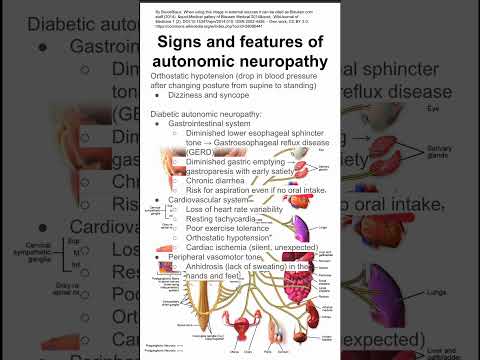
Neurovegetative features are pretty fascinating, even if they sound a bit technical at first. Basically, these features refer to a bunch of physical symptoms that relate to your body’s automatic functions, like breathing, heartbeat, and digestion. They’re part of what’s called the autonomic nervous system. You know, the stuff you don’t really think about but keeps everything running smoothly.
So let’s break it down with a few examples of what these neurovegetative symptoms might look like in real life:
- Changes in appetite: Ever notice you suddenly feel hungrier or less hungry when you’re stressed? That’s your body reacting!
- Sleep disturbances: Anxiety can keep you up at night; that’s a classic case of your brain messing with your sleep cycle.
- Fatigue: Feeling exhausted for no reason? Sometimes mental stress can sap your energy just like running a marathon.
- Digestive issues: You might get butterflies or even an upset stomach when you’re anxious—thanks to the gut-brain connection!
Alright, let’s zoom in on why these symptoms matter psychologically. Imagine you’ve got this huge exam coming up. You study hard but feel super anxious about it. The result? Your appetite drops and sleep goes out the window—you might even feel nauseous before sitting down to take that test! What happens here is that your body is responding to what it’s perceiving as a threat.
These responses are totally normal in stressful situations but can stick around if anxiety becomes chronic or overwhelming. This is where it becomes crucial to pay attention because ongoing neurovegetative symptoms can lead to bigger issues like depression or chronic anxiety disorders.
Many people think of their mind and body as separate things, but they’re deeply connected. Psychological stress leads to physical reactions which then affect how we feel emotionally. So if you’re feeling off physically, don’t sweep it under the rug; check in with yourself! It could be more than just not getting enough sleep or eating junk food.
And here’s the kicker: Understanding neurovegetative features isn’t about diagnosing yourself or ignoring professional help. If these symptoms become persistent or start affecting your day-to-day life, reaching out to a mental health professional can really help set things right again.
In the end, being aware of how our emotional state impacts our physical well-being is key! So next time you’re overwhelmed by stress, remember: your body is talking back; it’s important to listen!
Understanding the 5 Key Criteria for Major Depressive Disorder (MDD)
Major Depressive Disorder, or MDD, can feel heavy and overwhelming. It’s crucial to recognize its key criteria to understand what someone might be going through. Let’s break it down, shall we?
1. Depressed Mood
This is like the foundation of MDD. You know when everything feels like a gray cloud? It’s that persistent sadness or emptiness. Someone might say, “I just feel numb,” or “I can’t shake off this feeling.” Imagine being stuck in a game where the character feels weighed down by darkness—everything looks dull.
2. Anhedonia
This fancy term means you lose interest or pleasure in activities you once enjoyed. Think about your favorite game—it used to thrill you! But now? Not even the coolest level can spark excitement anymore. It’s frustrating and can make life feel monotonous.
3. Neurovegetative Symptoms
This is where things get a bit technical but super essential to understand for MDD! These symptoms are physical changes that affect your everyday life.
- Sleep Problems: Insomnia or sleeping too much can both happen. You might toss and turn all night or sleep for hours without feeling rested.
- Appetite Changes: Some folks eat way more, while others hardly eat at all, leading to weight gain or loss that isn’t intentional.
- Lack of Energy: Everyday tasks become monumental challenges—getting out of bed is hard enough without adding chores!
So, these symptoms show how deep depression can burrow into your life, affecting not just mood but also your body’s rhythms.
4. Cognitive Impairment
This includes difficulties in concentrating, making decisions, or remembering things. Picture trying to solve a puzzle with missing pieces; it becomes frustrating and confusing! Simple tasks may feel taxing when you’re dealing with MDD.
5. Feelings of Worthlessness or Guilt
This is another tough one! People may overly criticize themselves for minor mistakes—like getting mad at yourself for losing a match in a video game when everyone loses sometimes! These feelings drain self-esteem and reinforce negative thinking patterns.
If any of this resonates with you or someone you know, it’s vital to seek help from a mental health professional. Remember, understanding these criteria doesn’t replace professional guidance but gives insight into what someone might be facing every day.
The bottom line is: Major Depressive Disorder isn’t just about feeling sad; it weaves through various aspects of life, intertwining moods with physicality and thoughts. And reaching out for support? That’s always the strong move!
Understanding Vegetative Symptoms: Clear Examples and Their Impact on Mental Health
Vegetative symptoms are like those sneaky little gremlins that creep into your life when you’re feeling down or stressed. You know, those bodily changes that seem to take over while your mind is trying to power through? They can really mess with your daily routine and have a huge impact on how you feel emotionally.
So, what are these symptoms? Well, think about it this way: if your body’s like a video game character, vegetative symptoms are like the glitches that pop up when the game gets too intense. Here are some of the key features:
- Sleep disturbances: This could be anything from insomnia to oversleeping. It’s like trying to play a level but getting stuck in a never-ending loop of sleep mode.
- Changes in appetite: Maybe you’re snacking like crazy or can’t even look at food. It’s as if your character suddenly loses all their energy boosts and you’re just running on empty.
- Fatigue: You might feel absolutely drained even after resting. Imagine trying to complete a challenge but feeling too tired to press start.
- Aches and pains: Sometimes, emotional distress manifests physically as headaches or muscle aches. It’s totally unfair when the game throws extra bosses at you for no reason!
- Sexual dysfunction: A loss of interest or physical issues can happen too. It’s kind of like losing that special boost ability in-game – frustrating, right?
Now, let’s break down how these symptoms affect mental health. When these changes hit, they can create a vicious cycle. For example, you might not get enough sleep because of stress, leading to more anxiety during the day – it’s like being trapped in an endless dungeon without any power-ups!
Here’s a personal anecdote: I remember chatting with a friend who was overwhelmed with work and life pressures. They stopped sleeping well and then started craving junk food instead of healthy meals. It spiraled quickly; they felt exhausted all day and couldn’t shake off the low mood—even games they loved no longer brought them joy!
This cycle isn’t just annoying; it can affect your mental state significantly! If left untreated, vegetative symptoms might contribute to conditions like depression or anxiety disorders that need professional help—so don’t hesitate if things feel heavy.
Ultimately, recognizing these symptoms is vital because they offer clues about our emotional wellbeing! But remember—you’re not alone in this! Professional support is always there if you’re feeling overwhelmed by these feelings.
So yeah, keep an eye out for those sneaky vegetative symptoms! Take care of yourself first; everything else will follow suit once you hit pause and recalibrate.
Neurovegetative symptoms are a seriously interesting topic, but they can also be a bit tricky to navigate. You know, when we think about our mental health, we often focus on emotions or thoughts. But these symptoms get overlooked way too often. It’s like they’re the quiet friends in the back of the room, just hanging out while everyone else is chatting away.
So, what are we talking about? Basically, neurovegetative symptoms are those physical signs that pop up when your mind’s feeling stressed or overwhelmed. We’re talking stuff like changes in sleep patterns, appetite shifts – you know, eating more or less than usual – fatigue that just won’t quit, or even a change in sex drive. It’s not just all in your head; it can affect your whole body!
I remember once when my buddy Sam went through a tough breakup. He was normally the life of the party but suddenly seemed drained all the time. He stopped sleeping well and would skip meals because he just couldn’t stomach food anymore. That’s when it hit me: his mental state was showing itself through these neurovegetative symptoms without him even realizing it at first.
These physical manifestations can be really telling; they’re like red flags waving in the wind saying “Hey! Something’s off here!” If you notice these changes happening to yourself or someone you care about, it might be worth taking a step back to figure out what’s really going on.
The implications of ignoring these symptoms can be pretty serious; they could snowball into bigger issues if left unaddressed. Sometimes those small signs lead to larger mental health crises down the line. Trust me, acknowledging this stuff is super important because it’s all connected – your mind and body aren’t separate; they’re doing this dance together.
But what’s cool is that understanding these symptoms can empower you in a way! If you’re feeling off and start connecting those physical feelings with what’s happening mentally, you might find ways to cope better or even seek help sooner.
So yeah, next time you’re feeling funkier than usual and can’t quite pin down why maybe pause for a moment and check in with yourself physically too. It’s all part of this crazy ride called life!