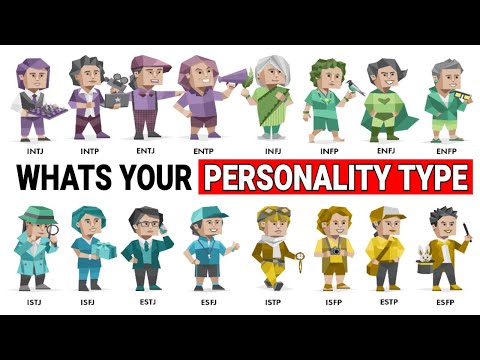
Hey you! Let’s have a chat about something really interesting: personality types. I mean, don’t you just love figuring out what makes people tick?
Este blog ofrece contenido únicamente con fines informativos, educativos y de reflexión. La información publicada no constituye consejo médico, psicológico ni psiquiátrico, y no sustituye la evaluación, el diagnóstico, el tratamiento ni la orientación individual de un profesional debidamente acreditado. Si crees que puedes estar atravesando un problema psicológico o de salud, consulta cuanto antes con un profesional certificado antes de tomar cualquier decisión importante sobre tu bienestar. No te automediques ni inicies, suspendas o modifiques medicamentos, terapias o tratamientos por tu cuenta. Aunque intentamos que la información sea útil y precisa, no garantizamos que esté completa, actualizada o que sea adecuada. El uso de este contenido es bajo tu propia responsabilidad y su lectura no crea una relación profesional, clínica ni terapéutica con el autor o con este sitio web.
We all know folks who seem to light up the room, right? Then there are those quiet ones who just vibe in the corner. Seriously, it’s wild how different we all are!
It’s like we’ve got our own unique flavors. And getting to know these can totally change how we connect with each other. So, buckle up! We’re about to go on a little trip through the colorful world of personality types. Sound good?
Comprehensive Guide to MBTI Personality Types: Understanding Each Type and Its Characteristics
So, let’s chat about the MBTI personality types! You know how we all have our quirks and habits? That’s kind of like what the Myers-Briggs Type Indicator (MBTI) does. It takes those differences and puts them into 16 distinct personality types based on how we think, feel, and interact with the world. It’s not a perfect science or anything, but it’s pretty handy for better understanding ourselves and others.
Intro to MBTI
The MBTI is built on four pairs of opposing traits. Think of them as two sides of a coin. You combine these traits to create different personalities. Here’s a quick breakdown:
- Introversion (I) vs. Extraversion (E): Do you recharge your batteries alone or in a crowd?
- Sensing (S) vs. Intuition (N): Do you focus on concrete details or go for the bigger picture?
- Thinking (T) vs. Feeling (F): Do you make decisions based on logic or emotions?
- Judging (J) vs. Perceiving (P): Do you prefer structure or flexibility in your life?
Each person gets a four-letter code based on their preferences in these categories—like INFP or ESTJ—which signifies their personality type.
The Personality Types
Now let’s break down each of those 16 types, shall we? Grab some snacks; it might take a bit!
- ISTJ: The Logistician – Practical and detail-oriented. They keep everything organized and run like clockwork.
- ISFJ: The Defender – Caring and reliable people who often put others first.
- INFJ: The Advocate – Creative, insightful folks who are all about making a positive difference.
- INTJ: The Architect – Strategic visionaries who love tackling complex problems.
- ISTP: The Virtuoso – Hands-on people who enjoy solving problems with practical solutions.
- ISFP: The Adventurer – Open-minded artists who live in the moment and appreciate beauty.
- INFP: The Mediator – Idealistic dreamers passionate about finding meaning in life.
- INTP: The Logician – Analytical thinkers who thrive on exploring ideas and theories.
- ESTP: The Entrepreneur – Bold risk-takers who live for excitement and new challenges.
- ESFP: The Entertainer – Fun-loving social butterflies who bring joy wherever they go.
- ENFP: The Campaigner – Enthusiastic individuals driven by their passions and ideas.
- ENTP: The Debater – Innovative minds that love sparking conversation with new concepts!
- ESTJ: The Executive – Organized leaders who value efficiency and tradition above all else!
- ESFJ: The Consul – Nurturing individuals with strong social skills—they love helping people!
- ENFJ: The Protagonist – Charismatic leaders dedicated to making others’ lives better!
- ENTJ: The Commander – Decisive strategists focused on overcoming challenges head-on!
Each type has its unique strengths—and weaknesses too! Like ISTJs might excel at organization but struggle with spontaneity; ENFPs might light up a room yet have trouble finishing projects.
Anecdote Time!
You know what? I had this friend back in college—a total ENFP. Super enthusiastic about everything! One time, she organized this massive outdoor movie night for our dorms because she thought it would be fun (totally was!). But she also forgot snacks… major bummer right? That is kinda classic ENFP energy—the excitement outweighing practicality sometimes.
The Bottom Line:
Understanding these personality types can really help foster better communication, teamwork, and relationships overall. Just remember though, while these insights help paint a picture of personalities, they don’t define people completely nor do they replace pro advice if you’re dealing with deeper issues.
So whether you’re matching up compatible friends or just wanna figure out yourself better, exploring MBTI can be an exciting journey! And hey—if all else fails, at least you’ll know why some friends talk too much while others prefer to keep things low-key!
Comprehensive Guide to Understanding All Personality Types: An In-Depth Essay
Alright, let’s chat about personality types! It’s a pretty fascinating topic that helps us understand ourselves and others better. You know, figuring out why your friend is always so social while you prefer chilling at home can really clear things up. So, here we go!
What Are Personality Types?
Okay, so personality types are basically categories that help describe how people think, feel, and behave. It’s like putting people in different boxes based on their traits. But don’t worry; these boxes aren’t too rigid! They just give us a way to start understanding the complex nature of each individual.
The Myers-Briggs Type Indicator (MBTI)
One of the most popular ways to classify personality types is through the MBTI. This system divides personalities into 16 different types based on four axes:
- Introversion (I) vs. Extraversion (E) – Do you recharge alone or with others?
- Sensing (S) vs. Intuition (N) – Do you focus on facts or patterns?
- Thinking (T) vs. Feeling (F) – Do you make decisions based on logic or emotions?
- Judging (J) vs. Perceiving (P) – Are you more structured or flexible in your life?
So, if you’re an INFP, like my friend Sarah who loves writing poetry and losing herself in fantasy novels, this type suggests she’s an introverted intuitive feeling person who loves keeping her options open.
The Big Five Personality Traits
Another common approach is the Big Five model which includes these five traits:
- Openness – How open are you to new experiences? Do you like trying sushi or stick with plain pasta?
- Conscientiousness – Are you organized and responsible? Or more spontaneous and carefree?
- Extraversion– This one overlaps with MBTI! Are you outgoing or reserved?
- Agreeableness– How cooperative are you? Do you often help others out without being asked?
- Neuroticism– How emotionally stable are you? Do little things stress you out easily?
Think about a game like “Among Us.” Each player has different roles and behaviors – some are more strategic while others go for chaos; that’s similar to how we all show up differently in life!
The Enneagram System
Then there’s the Enneagram system which sorts people into nine types based on motivations and fears:
- The Reformer: They want to improve everything.
- The Helper: They thrive on being useful to others.
- The Achiever: They seek success.
- The Individualist: They value uniqueness.
- The Investigator: They crave knowledge.
- The Loyalist: They look for security.
- The Enthusiast: They’re all about experience.
- The Challenger: They want control and strength.
- The Peacemaker:They avoid conflict. li >
You know what? I have a buddy who’s a Seven – super spontaneous! We once took a road trip without planning much ahead; it was chaotic but loads of fun!
Anecdote Time!
Let me share something personal. I remember when I first discovered my own personality type through the MBTI—I’m an INTJ by the way! At first, I was like “Wow! No wonder I love reading strategy books!” It totally helped me appreciate why my brain works how it does and how it differs from my extroverted friends who constantly drag me into social events.
Taking It All In
Now that we’ve skimmed the surface of these systems, it’s worth mentioning that personality typing isn’t meant to box people completely. We’re all unique individuals with layers and complexities!
So remember: they can be fun tools for understanding yourself better but don’t forget that every person is way more than just a label.
Finally, if any of this hits home for you—great! Just keep in mind that if you’re struggling or feeling stuck, talking to a therapist could really help sort through those feelings.
It’s always good to keep learning about yourself & others—it makes navigating through life just a bit easier.
Understanding the 16 Personality Types: A Comprehensive Guide to Personality Assessment
Sure, let’s chat about the 16 personality types. You know, this whole system is pretty fascinating! It’s all about understanding how different people think, feel, and behave. This approach originated from Carl Jung’s theories and was popularized by the Myers-Briggs Type Indicator (MBTI). So, basically, it divides people into **16 distinct categories** based on four pairs of opposing traits.
Here’s a quick breakdown of those four pairs:
- Introversion (I) vs. Extraversion (E): Introverts tend to recharge alone while extraverts thrive in social situations.
- Sensing (S) vs. Intuition (N): Sensors focus on details and the present, whereas intuitives look at the bigger picture and future possibilities.
- Thinking (T) vs. Feeling (F): Thinkers make decisions based on logic and facts; feelers base theirs on values and emotions.
- Judging (J) vs. Perceiving (P): Judgers prefer structure and plans, while perceivers like flexibility and spontaneity.
When you mix these traits together, you get those 16 personality types! For example:
- INTJ – The Architect: These folks are strategic thinkers who love to plan for the future.
- ESFP – The Entertainer: They’re all about excitement, living in the moment and enjoying life.
So why does this matter? Well, let’s say you’re trying to communicate with a friend who’s an INFP. They might prefer deeper conversations that connect on an emotional level—while you just want to throw out some quick facts. Understanding their perspective makes connecting easier!
Also, have you ever noticed how certain games can reflect your personality? Think about “Among Us,” where some players might easily take charge (like an ENTJ), while others prefer to observe until they decide to jump in (like an INFP). Pretty cool how personality types can shine through even in gaming!
It’s important to mention that knowing your type isn’t everything. Sure, it can help with self-awareness, but it doesn’t define your entire being or solve all your problems. If you’re struggling with deeper issues or mental health concerns, reaching out for professional help is key.
So ultimately, these personality types offer insight into how we interact with each other and approach life—almost like a fun little roadmap for personal growth! Understanding your type can bring clarity to your relationships and even guide career choices.
And hey—knowing more about other people’s personalities can really improve communication too! Wouldn’t it be nice if everyone took a second to understand each other’s quirks? Just remember: it’s all about enhancing our connections rather than boxing anyone in.
All said and done, whether you’re an ENFJ ready to lead or a quiet ISFP soaking in life’s beauty—embracing who you are is what counts most!
You know, when you start thinking about personality types, it’s like opening a box of crayons. Each color represents a different side of who we are. Seriously! There are so many shades and textures to personality that it can feel overwhelming at times.
So, take the well-known Myers-Briggs Type Indicator (MBTI), for instance. It breaks down personalities into 16 types based on four dichotomies: introversion vs. extraversion, sensing vs. intuition, thinking vs. feeling, and judging vs. perceiving. You’ve probably come across those fun online quizzes that tell you whether you’re an INFP or an ESTJ. They can be pretty entertaining but also surprisingly eye-opening.
I remember when my friend took one of those tests and found out she was an INFJ—it was like a light bulb went off for her! She had always felt different from her more outgoing friends but never really understood why until she saw her type described in detail. Suddenly, all those moments where she craved alone time instead of social gatherings made sense. Isn’t it cool how just a few letters can encapsulate someone’s essence?
And then there are other models too! The Enneagram is another popular framework that categorizes people into nine distinct types based on their core motivations and fears—like the Achiever or the Individualist. It’s interesting because it dives deeper into why we act the way we do, not just how we behave on the surface.
But here’s the thing: no one is just one personality type; we’re all complicated mixtures of traits influenced by our experiences and environments! That’s where it gets tricky yet fascinating. So many factors shape who you are—culture, upbringing, past relationships—you name it!
When you think about personal growth or self-improvement journeys, having this awareness about personality brings clarity too. It helps you understand not only yourself but also the people around you better! Have you ever had that moment when someone did something totally confusing? Sometimes it’s just a matter of understanding their personality type.
All in all, while these frameworks can be super helpful for self-awareness and communication, they don’t define your entire being. You’re unique with your own colors blending together like that crayon box—each shade adding richness to your life story.
So next time you hear someone chat about personality types, remember there’s a whole rainbow inside each person waiting to be explored!