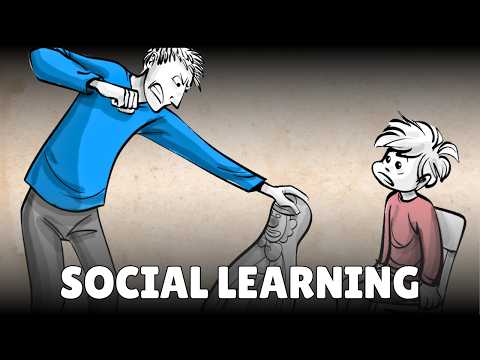
So, let’s chat about this awesome concept called observational learning. Ever notice how kids seem to pick up everything we do? Seriously, it’s wild!
Este blog ofrece contenido únicamente con fines informativos, educativos y de reflexión. La información publicada no constituye consejo médico, psicológico ni psiquiátrico, y no sustituye la evaluación, el diagnóstico, el tratamiento ni la orientación individual de un profesional debidamente acreditado. Si crees que puedes estar atravesando un problema psicológico o de salud, consulta cuanto antes con un profesional certificado antes de tomar cualquier decisión importante sobre tu bienestar. No te automediques ni inicies, suspendas o modifiques medicamentos, terapias o tratamientos por tu cuenta. Aunque intentamos que la información sea útil y precisa, no garantizamos que esté completa, actualizada o que sea adecuada. El uso de este contenido es bajo tu propia responsabilidad y su lectura no crea una relación profesional, clínica ni terapéutica con el autor o con este sitio web.
You know that little one in your life? They might be silently observing you just like a hawk. And then suddenly, boom! They’re mimicking your every move. Sound familiar?
This whole idea comes from a guy named Albert Bandura. He had some pretty eye-opening thoughts on how we learn by watching others.
It’s not just for kids though; we’re all doing it all the time. Whether it’s picking up habits or even attitudes, it’s kind of crazy how powerful observation can be!
Ready to explore this fascinating idea with me? Let’s dive into the world of Bandura and his take on human behavior!
The Power of Observational Learning: Understanding Its Impact on Behavior and Development
Observational learning is this super interesting concept that has a huge impact on our behavior and development. You know, it’s all about learning from others by watching them. Kind of like how you picked up that dance move from your friend’s TikTok video or learned to cook that pasta dish by just seeing it online.
So, let’s break down how this works, shall we? This idea comes from a psychologist named Albert Bandura. He’s the guy who came up with the whole theory of social learning. Basically, what he figured out is that people can learn new behaviors just by observing others, without having to go through the trial and error themselves.
Key Points About Observational Learning:
- Attention: You need to pay attention to the person who’s doing the behavior you want to learn.
- Retention: It’s not enough to just see it; you have to remember it too!
- Reproduction: Then there’s the actual putting it into practice part. Can you do what you saw?
- Motivation: Finally, there’s gotta be a reason for you to do it—like thinking it’ll be fun or rewarding.
Think about kids for a second. They’re like little sponges absorbing everything around them! When a toddler sees their older sibling share toys with friends, they might pick up on that behavior and start doing it too. This isn’t just limited to kids though. Even as adults, we unconsciously soak up stuff from our environment.
I remember back in school when I’d watch my teacher explain math problems on the board. At first, I was totally lost! But after seeing her solve similar problems multiple times, I began figuring them out myself. That was observational learning at play—a real-life example of Bandura’s work!
And hey, video games also tap into this idea! Games often show players how to perform tasks through tutorials or other players’ actions. If you watch someone effortlessly handle a tricky level in Super Mario, you’re likely gonna try copying what they did when it’s your turn.
It’s pretty wild when you think about it! The ability to learn from others allows us not only to acquire new skills but also shapes our social behaviors and attitudes toward things like aggression or cooperation based on what we see.
So while observational learning can be super powerful in shaping who we are and what we do, always keep in mind that self-reflection and critical thinking are key here too! Just because someone acts a certain way doesn’t mean it’s right for everyone.
In short? Observational learning helps us grow and adapt by letting us learn vicariously through others’ experiences. And who knows? You may pick up more than just dance moves or cooking skills along the way! Keep an eye out for those lessons in daily life—it all adds up!
How to Properly Cite Bandura’s 1986 Work in Academic Writing
Well, let’s get into the nitty-gritty of properly citing Bandura’s 1986 work. You might know his stuff from the “power of observational learning,” which is a cornerstone in psychology. So, how do you give credit where it’s due? Here’s an easy breakdown.
First off, Bandura published his ideas in a book called *Social Foundations of Thought and Action: A Social Cognitive Theory*. If you’re writing an academic paper, you’ll want to include that information accurately.
Here are some key points to keep in mind when citing:
- Author’s Name: Always start with Albert Bandura’s last name followed by his first initial. For example: Bandura, A.
- Year of Publication: After the author’s name, include the year he published the work. So it should look like: (1986).
- Title of Work: Use italics for the book title and capitalize major words: *Social Foundations of Thought and Action: A Social Cognitive Theory*.
- Publisher Information: Don’t forget to add the publisher’s name; for this book, it was Prentice Hall.
- Page Numbers: If you’re citing a specific idea or quote from within the book, make sure to include page numbers like this: (Bandura, 1986, p. 23).
So if you were putting together a reference list entry in APA format, it would look something like this:
Bandura, A. (1986). *Social Foundations of Thought and Action: A Social Cognitive Theory*. Prentice Hall.
Now let’s say you’re writing an essay about how kids learn by watching others—like when they pick up moves from video games or emulate behaviors they see on TV. If you refer to Bandura in your text as an example of this kind of learning, you might write something like:
«According to Bandura (1986), children can learn new behaviors simply by observing others without direct reinforcement.”
Just remember this is not just about throwing citations into your paper but ensuring you’re giving proper credit to ideas that have shaped psychology.
In any case, if ever in doubt about formatting styles or citation rules—APA vs MLA vs Chicago—make sure to check those specific guidelines because they’ve got their own quirks!
And hey! Keep in mind that while this info helps with citations and understanding Bandura’s influence on observational learning, if you need professional or psychological help regarding behavior change or learning processes—reach out! Nothing beats talking to someone who knows what they’re doing.
Understanding the Four Stages of Bandura’s Theory: A Comprehensive Guide
Albert Bandura is a really interesting guy in psychology, known for his work on observational learning. He basically said that you can learn just by watching others. This idea challenged the way people thought about learning; it wasn’t just about experiencing things directly anymore. Instead, it was about observation and imitation. So, let’s take a closer look at the four stages of Bandura’s theory.
- Attention: First off, you need to pay attention to the model you’re observing. This could be anyone from a teacher to your favorite video game character. If what they do is captivating or relates to your own experiences, you’re more likely to focus on them.
- Retention: After you’ve caught their act, it’s all about remembering what you’ve seen. You can think of this like when you watch someone score a sweet goal in a soccer game. If it sticks in your mind, you might try it out yourself later! Memory plays a huge role here.
- Reproduction: Now comes the fun part—actually doing what you’ve observed! It’s not enough just to remember; you have to put that knowledge into action. For instance, if you’re playing a fighting game and learn a cool combo from an expert player online, you’ll eventually give it a shot and see if you can pull it off.
- Motivation: Lastly, even if you’ve nailed all the previous stages, motivation is key! If watching the model inspires you or if there are rewards (like getting better at your favorite game), you’re more likely to keep practicing that skill.
So why does any of this matter? Well, Bandura’s theory emphasizes how social influences shape our behaviors and skills—pretty crucial for everything from education to therapy! It’s like when you’re stuck trying to beat that boss level in your favorite RPG; seeing someone else do it can light that fire under you.
You know what’s cool? This whole cycle doesn’t stop with one observation—you’re constantly learning from those around you throughout life! Whether it’s picking up new tricks from friends or even experiencing new cultures through travel, there’s always something new to learn.
And remember: while Bandura’s insights offer awesome perspectives on how we learn and grow through observation, they don’t replace the need for professional support when navigating life’s challenges. It’s always okay to reach out when things get tough!
So next time you’re watching someone level up their skills—be it in life or gaming—think about these four stages and how they play into everything we do every day!
You know what? Sometimes, we don’t even realize how much we learn just by watching other people. It’s like when you see a friend nail a new recipe or tackle a DIY project, and suddenly, you’re inspired to try it for yourself. That’s the essence of Bandura’s idea—observational learning.
So, here’s a little backstory about Albert Bandura. He was this brilliant psychologist who came up with some pretty cool concepts in the 1960s. He focused on how we pick up skills and behaviors just by observing others, which is kinda mind-blowing when you think about it. It’s not all about direct instruction or trial and error; sometimes, we simply soak up lessons from those around us.
Let me tell you a quick story. A while back, my niece kindly asked if I could help her with her school project on ecosystems. We went outside to gather some materials, and I noticed she was watching me closely as I arranged our findings—a little pile of leaves here, some twigs there. She didn’t ask me what to do; she just picked up on it effortlessly! Later that day, I realized she had actually put together an impressive little diorama without any prompts from me. Just from watching! It really got me thinking about how much we imitate without even realizing.
Now, Bandura didn’t stop at just pointing out that we learn through observation; he also emphasized the importance of modeling behavior. If someone you respect or look up to does something—like taking risks or being kind—you’re more likely to do that same thing too. This can totally shape our values and habits over time!
But here’s where it gets interesting: not all observational learning is equal. You might see someone do something cool but think, “Nah, I can’t pull that off.” That self-efficacy—the belief in your own ability—plays a massive role too! If you believe you can succeed in something because you’ve seen others do it successfully, you’re more likely to give it a shot yourself.
And let’s not forget the impact of media on learning from others’ actions. Think about how many people start exercising after seeing fitness influencers crush their workouts online! Or take social media challenges—you see one person doing a funny dance or promoting kindness through random acts—you start wanting to join in!
In the end, Bandura’s work reminds us of our interconnectedness and influences—even if they’re subtle—are powerful forces in shaping our actions and decisions every single day. So next time you’re picking up on someone else’s vibe or embarking on something new because of inspiration from others—give a little nod to old Albert Bandura! It’s fascinating stuff, right?