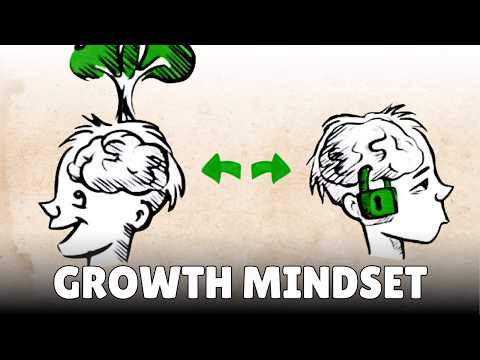
Alright, let’s chat about something super cool: creativity.
Este blog ofrece contenido únicamente con fines informativos, educativos y de reflexión. La información publicada no constituye consejo médico, psicológico ni psiquiátrico, y no sustituye la evaluación, el diagnóstico, el tratamiento ni la orientación individual de un profesional debidamente acreditado. Si crees que puedes estar atravesando un problema psicológico o de salud, consulta cuanto antes con un profesional certificado antes de tomar cualquier decisión importante sobre tu bienestar. No te automediques ni inicies, suspendas o modifiques medicamentos, terapias o tratamientos por tu cuenta. Aunque intentamos que la información sea útil y precisa, no garantizamos que esté completa, actualizada o que sea adecuada. El uso de este contenido es bajo tu propia responsabilidad y su lectura no crea una relación profesional, clínica ni terapéutica con el autor o con este sitio web.
You know that spark you feel when an idea just hits you? It’s pretty awesome, right?
Well, here’s the thing: everyone has that spark. Seriously. It’s just a matter of finding the right environment to let it shine.
Think about a time when you created something totally unique. Maybe it was a meal that turned out surprisingly delicious or a painting that surprised even you!
That feeling of originality? It’s powerful and oh-so-inviting. Let’s explore how we can cultivate those creative grounds together!
The Four Pillars of Creativity: Understanding the Foundation for Innovative Thinking
Creativity is like a magical force inside us, driving innovative thinking and helping us solve problems in unique ways. So, let’s chat about the four pillars of creativity. These are the building blocks that can help you harness your creative potential, no matter what field you’re in!
- Knowledge
- Imagination
- Motivation
- Collaboration
Pillar one is all about knowledge. It’s like your brain’s storage of facts, experiences, and skills. Imagine that knowledge as the raw materials for a craft project. The more you learn and experience, the richer your toolkit becomes! Think about it: artists study techniques, scientists dive into research, and writers read widely to develop their ideas.
Next up is imagination. This pillar allows you to see beyond what currently exists. Picture your imagination as a giant playground of possibilities! When you let loose your thoughts without restrictions, new ideas flourish. For example, when playing a game like Minecraft, you’re free to build anything from castles to roller coasters—it’s all up to where your mind wanders!
Then there’s motivation. This pillar helps ignite your creative spark and keeps it burning bright. Think of motivation as rocket fuel for your creative journey! It can come from within—like wanting to improve—or from external sources, such as feedback from others or even seeing someone else achieve their goals. Remember that time you felt inspired by an amazing movie or book? That was motivation kicking in!
Finally, we have collaboration. This one highlights the magic that happens when people come together to share ideas and build on each other’s strengths. Teamwork can lead to groundbreaking innovations! Just look at how game developers often work in groups; they brainstorm concepts and turn feedback into something incredible. Ever played Overcooked? The chaos with friends actually sparks creativity through collaboration under pressure!
Each of these pillars supports the others—without one, the whole structure wobbles a bit! When you combine knowledge with imagination while staying motivated and open to collaboration, you’re bound to unlock new levels of creativity.
But remember: nurturing creativity doesn’t replace professional guidance when needed. If you’re feeling stuck or facing bigger challenges than usual, reaching out for support is totally okay! Everyone has their moments when they need a little extra help.
So go ahead! Build those pillars solidly under your dreams and watch them soar!
Understanding the 5 C’s of Innovation: Essential Elements for Effective Creative Processes
Innovation is like a magic trick that can completely change the game, especially in creative fields. But you know what? There are some key ingredients that help make this magic happen. These are often summed up as the 5 C’s of Innovation. Let’s break them down so you can see how they work together to foster creativity and originality.
- Curiosity – This is your starting point. A curious mind asks questions and seeks out new ideas. Just think about it!
When you play a game, curiosity drives you to explore unexplored levels or unlock hidden features. It’s that desire to know more that fuels innovation. - Collaboration – You might have heard the saying “two heads are better than one.” Well, in the realm of innovation, this couldn’t be truer.
Working with others brings different perspectives into play. Take brainstorming sessions for example; they often lead to ideas you’d never think of alone. - Creativity – Here’s where the fun begins! Creativity is about connecting dots in ways that aren’t obvious, making something new from what already exists.
Think about how a game takes basic mechanics—like jumping or shooting—and mixes in storylines or unique characters to create something fresh. - Critical Thinking – Don’t let the word “critical” scare you! This is all about analyzing ideas effectively and making informed decisions.
It’s like strategizing your next move in chess; you weigh your options before acting. - Courage – Finally, we have courage—the willingness to take risks and face failures head on. Innovation isn’t always easy; sometimes things go south.
Just remember every great inventor faced setbacks before success came knocking!
So, when these five elements come together, they create an environment ripe for innovation. Imagine sitting around with friends trying to develop a new board game: if everyone brings their curiosity, collaborates openly, lets their creativity flow, thinks critically about each idea proposed, and doesn’t shy away from trying something bold—magic happens!
Now, this isn’t just pie-in-the-sky stuff; these principles are applicable in real-life scenarios too! Companies like Google thrive on curiosity and collaboration through open office spaces and team huddles that encourage sharing wild ideas.
And while it may all sound excitingly simple in theory, it can be tough to implement consistently. If you’re struggling with generating innovative ideas or feeling stuck creatively, don’t hesitate to seek guidance from professionals who specialize in this area.
Ultimately, fostering an innovative environment requires maintaining balance among these C’s: curiosity keeps things fresh; collaboration enriches the experience; creativity stirs up original concepts; critical thinking refines them; and courage pushes us beyond our comfort zones.
So next time you’re brainstorming your next big project or simply trying out a new strategy in your favorite game, keep those five C’s close at heart—you might just unlock your own innovative magic!
Effective Strategies to Foster Creativity and Innovation in Teams
Creativity and innovation are like oxygen for teams. Without them, projects can feel stagnant or uninspired. To truly spark creativity, it’s essential to create an environment where ideas can flourish. Here are some effective strategies to nurture that creativity and innovation in team settings.
Encourage Open Communication
One of the best ways to stir up creative juices is by fostering open communication. When team members feel comfortable sharing their thoughts without fear of judgment, magic happens! Think about it—when you’re in a safe space, you’re more likely to throw around wild ideas.
- Hold regular brainstorming sessions where every idea is welcome.
- Encourage constructive feedback so that everyone feels heard.
Remember that time you shared a silly idea at work, and suddenly it inspired a whole project? That’s the kind of energy we’re looking for!
Create Diverse Teams
Diversity sparks creativity because it brings together different perspectives. Mixing up backgrounds, experiences, and skills can lead to innovative solutions.
- Include people from varied departments—marketing, sales, tech—to get fresh viewpoints.
- Mix age groups; younger members might have different insights compared to seasoned veterans.
Ever played a game like «Taboo»? It relies on diverse vocabularies and experiences to succeed. That same principle applies in team settings!
Allocate Time for Play
Creativity thrives on playfulness! Allowing time for non-work-related activities can ignite new ideas.
- Set aside an hour each week for fun activities—like team-building games or creative workshops.
- Create a fun “innovation lab” where teams can prototype their ideas without pressure.
Think of it as letting your brain take a break so fresh thoughts can pop up when you least expect them.
Acknowledge and Reward Innovation
When you recognize creative efforts—even if they flop—it encourages others to think outside the box too!
- Celebrate even the smallest wins. A simple shout-out during meetings works wonders!
- Create awards for “Most Creative Idea” or “Biggest Risk Taker” at your company gatherings.
Imagine how motivating it feels when your quirky suggestion gets appreciation; it makes you want to come up with more!
Use Creative Constraints
It might sound counterintuitive but setting certain constraints can actually spark creativity! Limits force teams to think differently.
- Challenge your team with specific goals: «Create something useful using only three materials.»
- Establish time limits during brainstorming sessions—like ten minutes—to encourage quick thinking.
Remember the game «Pictionary»? You’re given limits on how to communicate an idea visually, which often leads to hilariously inventive interpretations!
Create a Safe Space for Failure
Fear of failure is often what stifles creativity. Encourage risk-taking by making it clear that not every idea will hit the mark—and that’s totally okay.
- Share stories of failures within your organization as learning experiences.
- Create “failure boards” where people post lessons learned from their not-so-great attempts.
You know how they say every cloud has a silver lining? In this case, every failed idea could lead to something brilliant down the road.
In summary, fostering creativity in teams is all about creating an environment where everyone feels valued and free to express themselves. By encouraging open communication, embracing diversity, allowing playtime, acknowledging innovation, using constraints wisely, and normalizing failure as part of growth—you’ll help cultivate an atmosphere rich in originality and fresh ideas.
And hey, if things ever feel too overwhelming or tricky with team dynamics? Reaching out for professional guidance isn’t just cool; it can be super helpful too!
When you think about creativity, what comes to mind? Maybe it’s that moment when an idea just clicks or when you’re doodling in your notebook without a care in the world. You know, those times when inspiration just flows? But here’s the kicker: creativity doesn’t thrive in a vacuum. It needs a little nurturing.
I remember back in college, I was part of this quirky art group. We’d gather every Friday night in someone’s cramped dorm room, surrounded by paint splatters and half-finished projects. It was chaotic, for sure, but you could feel the energy! Each person brought something different to the table—some had wild ideas, others were perfectionists who spent hours on one line. We bounced ideas off each other like a game of ping pong! It was there I realized how vital that environment was for sparking originality.
The truth is, fostering creativity is all about creating a space where ideas can mingle without judgment. And it’s not just about being artsy either! Business teams and writers benefit from this too. Imagine brainstorming sessions where everyone feels safe to share their wacky thoughts without the fear of being shot down. It’s liberating!
So how do we create this kind of “creative ground,” if you will? First off, we need diversity. Different backgrounds lead to innovative perspectives. Picture a room full of people from various walks of life; they’ll spark ideas that might never cross your mind! Seriously, hearing someone else’s story can open up new angles you hadn’t even considered.
Another key ingredient is playfulness. Remember when you were a kid? Everything felt like an adventure! When we embrace that spirit again—without taking ourselves too seriously—great things can happen. Whether it’s through silly activities or improvisation games, letting loose can lead to those “aha!” moments.
And let’s not forget about persistence either! Innovation doesn’t always strike like lightning. Sometimes it takes time to refine an idea or overcome obstacles before hitting gold. The struggle is real, but sticking with it makes all the difference.
All in all, fostering innovation and originality is about creating an atmosphere where everyone feels empowered to contribute their unique flair. Just think about those late-night conversations with friends or brainstorming sessions at work—you know what I mean? Each vibe brings out something special and unexpected.
So next time you’re looking for inspiration—or maybe just feeling stuck—remember: reach out to others, embrace your playful side, and hang tight through the messy bits! That’s where magic often happens!