Hey you, ever heard of Cluster C personality traits? Yeah, I get it—it sounds a bit technical, right? But stick with me for a sec.
Este blog ofrece contenido únicamente con fines informativos, educativos y de reflexión. La información publicada no constituye consejo médico, psicológico ni psiquiátrico, y no sustituye la evaluación, el diagnóstico, el tratamiento ni la orientación individual de un profesional debidamente acreditado. Si crees que puedes estar atravesando un problema psicológico o de salud, consulta cuanto antes con un profesional certificado antes de tomar cualquier decisión importante sobre tu bienestar. No te automediques ni inicies, suspendas o modifiques medicamentos, terapias o tratamientos por tu cuenta. Aunque intentamos que la información sea útil y precisa, no garantizamos que esté completa, actualizada o que sea adecuada. El uso de este contenido es bajo tu propia responsabilidad y su lectura no crea una relación profesional, clínica ni terapéutica con el autor o con este sitio web.
So, imagine a group of folks who navigate life a tad differently. They’ve got their quirks and ways of seeing the world that can be pretty interesting. It’s not always super easy for them, though.
These traits can show up in ways that might just blow your mind or make you say, “Wait, I know someone like that!” Seriously. And guess what? You don’t have to be an expert to grasp what’s going on. Let’s break it down together!
Is Narcissism a Cluster C Personality Disorder? Understanding the Classification and Characteristics
Narcissism is often tossed around in everyday conversations, but it’s a bit more complex than most people realize. So, let’s chat about it! First off, narcissism is not actually classified as a Cluster C personality disorder. Instead, it’s part of the Cluster B category, which focuses on dramatic or erratic behaviors. I mean, that makes sense when you think about it: narcissists tend to have an inflated self-image and seek constant admiration, right?
Now, let’s break down Cluster C a bit more. This group includes personality disorders like Avoidant Personality Disorder, Dependent Personality Disorder, and Obsessive-Compulsive Personality Disorder (OCPD). Here’s a quick look at what each one kind of feels like:
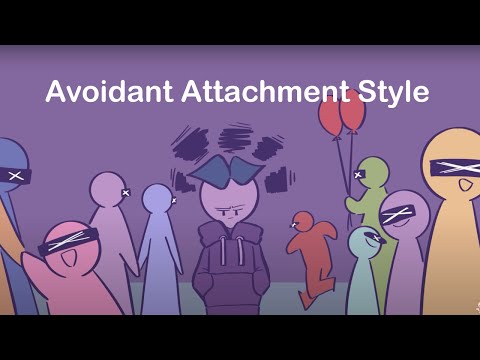
- Avoidant Personality Disorder: This involves feelings of extreme shyness, fear of rejection, and low self-esteem. Imagine wanting to join a team but being too scared you might mess up in front of others.
- Dependent Personality Disorder: People with this tend to rely heavily on others for emotional support and decision-making. They might feel lost without someone else guiding their choices.
- Obsessive-Compulsive Personality Disorder: Not to be confused with OCD! Those who have OCPD are often perfectionists who get super anxious about making mistakes or not having everything just right.
So where does narcissism fit into this picture? It’s considered a Cluster B disorder because it includes behaviors that are more impulsive or dramatic and focus primarily on oneself.
You know what’s interesting? Folks with narcissistic traits can sometimes struggle with empathy. Like when you’re playing a cooperative game online—ever notice how some players just charge ahead without thinking about teamwork? That can reflect those narcissistic tendencies: they want all the glory for themselves without considering the impact on the group.
It’s also essential to understand that there are varying degrees of narcissism. Some people display mild traits now and then; others may have Narcissistic Personality Disorder (NPD), which is much more severe and pervasive.
Now here’s the kicker: while it might sound tempting to label someone as «narcissistic» based solely on their behavior in one scenario or another, that doesn’t capture the full picture. Diagnosis isn’t something we should tackle without professionals—seriously! Consulting with a mental health expert is crucial if you think someone’s personality traits impact their day-to-day life significantly.
In case you’re feeling overwhelmed by all these terms and definitions, just remember: categorizing personality traits helps us understand behaviors better but humans are complicated creatures! Everyone has a mix of characteristics from different clusters—it’s part of what makes us unique!
So next time someone tosses around “narcissist” like candy at a parade, think back on these nuances—and remember that real-life emotions and experiences can’t be boiled down into neat little boxes!
Understanding Cluster C Traits in ADHD: Key Characteristics and Implications
Cluster C personality traits, which include avoidant, dependent, and obsessive-compulsive behaviors, can sometimes intersect with Attention Deficit Hyperactivity Disorder (ADHD). It’s interesting because ADHD is often characterized by impulsivity, inattention, and hyperactivity. But have you thought about what happens when these two worlds collide? Let’s break this down a bit!
Cluster C Traits Overview: These traits usually indicate anxiety and fear-driven behaviors. People with these traits often feel insecure in social situations or might require excessive reassurance from others.
Now, you might be wondering how this fits into the ADHD puzzle. Here’s the thing: while ADHD can lead to spontaneity and risk-taking actions, Cluster C traits can lead to avoidance of certain situations due to anxiety. This creates a unique mix of behaviors that can affect relationships and daily life.
- Avoidant Personality Traits: If you think about it, someone with ADHD might impulsively jump into new social settings without much thought. On the flip side, a person with avoidant traits might hang back due to fear of judgment or rejection. Imagine two players in a game: one dives headfirst into every battle while the other hesitates behind the walls debating if it’s safe.
- Dependent Personality Traits: Those with dependency may lean heavily on others for decision-making. In contrast, someone with ADHD could be more independent but struggle to maintain commitments or follow through on tasks. It’s kind of like being in a team where one person is super confident but keeps forgetting their strategy while another clings desperately to their teammate for guidance.
- Obsessive-Compulsive Personality Traits: This trait involves needing control and order. While an individual with ADHD may have difficulty organizing tasks or staying focused, a person with obsessive-compulsive traits would feel overwhelmingly stressed by disorganization or unexpected changes. Picture playing a strategy game where one player meticulously plans every move but gets anxious if their teammate decides to go off-script!
The Impact: Combining these traits can affect daily functioning significantly. For instance, those who have both ADHD and Cluster C characteristics might find it hard to balance spontaneity with their need for security. This can lead to heightened stress levels or even significant interpersonal conflict.
If you recognize some of these characteristics in yourself or someone close to you, it’s essential not to ignore them! Seeking support from professionals like therapists or counselors is critical because they can provide coping strategies tailored specifically for your situation.
This combination of ADHD and Cluster C traits illustrates just how complex our personalities can be! And while we all want to understand ourselves better—especially when it comes to navigating life’s challenges—it’s crucial not to substitute this knowledge for professional help.
All in all, being aware of how these traits interact gives valuable insight into managing relationships effectively while also finding personal peace amid chaos!
Understanding Cluster A Personality Disorders: Symptoms, Causes, and Treatment Options
Cluster A personality disorders, you know, are a group of conditions characterized by odd or eccentric behaviors. They often present in unique ways that can affect relationships, work, and daily life. Let’s take a closer look at these disorders and see what makes them tick.
So why do these traits occur? Well, the causes aren’t entirely clear but might involve genetic factors, brain chemistry, and environmental influences like childhood experiences or trauma. It’s like building a character with certain stats; some traits come naturally while others develop from playing the game of life.
Treatment options exist but you should know they aren’t always straightforward. Therapy is often the first step—especially **cognitive-behavioral therapy (CBT)**—which helps people reframe their thoughts and feelings. But sometimes medication may help manage symptoms too. For some people, working with professionals is crucial because navigating these disorders alone usually isn’t effective.
And hey, it’s worth repeating – if you suspect you or someone you know might be dealing with a cluster A personality disorder, talking to a mental health professional is essential! You can’t just level up without getting help when stuck on a tough quest.
In summary, understanding cluster A personality disorders means recognizing their oddities and how they affect daily life. Symptoms can vary greatly among individuals but shine through as distinctive quirks or behaviors that set them apart from others. So remember: empathy goes a long way for those affected!
You know, when you think of personality types, it can sometimes feel like a giant puzzle. Cluster C personalities, in particular, are often associated with anxiety and avoidance. These traits might not seem as flashy as some others, but they’re really interesting.
I remember a friend from college who always seemed to be on the sidelines. She was super smart but never wanted to join in group projects or go out for post-class drinks. Eventually, I learned that she had super strong avoidant tendencies—like being afraid of criticism or rejection. It’s like she built this wall around herself to stay safe from the world.
Cluster C includes three main types—avoidant, dependent, and obsessive-compulsive personalities—and each has its own quirks. Avoidant folks often worry about being judged or not fitting in. They might avoid social situations or hold back in relationships because they fear getting hurt. Dependent types often lean heavily on others for support, feeling uncomfortable making decisions alone. And then there are the obsessive-compulsive types who can get stuck in routines and rituals—their brains tend to latch onto things needing to be “just right.”
It’s easy to look at these traits and think of them as “flaws,” but honestly? They’re more like coping mechanisms developed over time. People with these traits aren’t trying to be difficult; they’re responding to their life experiences in the best way they know how.
The thing is, being aware of these patterns can lead to great insights about yourself or someone you love. If you notice friend pulling back from group gatherings? Maybe there’s more beneath the surface than just shyness. Is that co-worker always needing reassurance about their work? They could be struggling with dependence on external validation.
So yeah, while Cluster C traits might come with their own challenges—it’s important not to paint them as negative all the time! Understanding these characteristics can help create better communication and foster deeper connections between people.
In the end, personality is such a fascinating landscape filled with unique trails shaped by life bumps and turns. And knowing about things like Cluster C traits can help us support one another better along those trails!