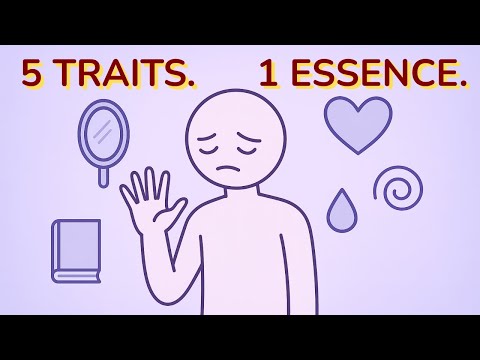
You know how some people just seem to get lost in their thoughts? Like, they have this deep well of emotions that you can almost feel. That’s the melancholic personality for you.
Este blog ofrece contenido únicamente con fines informativos, educativos y de reflexión. La información publicada no constituye consejo médico, psicológico ni psiquiátrico, y no sustituye la evaluación, el diagnóstico, el tratamiento ni la orientación individual de un profesional debidamente acreditado. Si crees que puedes estar atravesando un problema psicológico o de salud, consulta cuanto antes con un profesional certificado antes de tomar cualquier decisión importante sobre tu bienestar. No te automediques ni inicies, suspendas o modifiques medicamentos, terapias o tratamientos por tu cuenta. Aunque intentamos que la información sea útil y precisa, no garantizamos que esté completa, actualizada o que sea adecuada. El uso de este contenido es bajo tu propia responsabilidad y su lectura no crea una relación profesional, clínica ni terapéutica con el autor o con este sitio web.
Honestly, it can be kinda beautiful and heartbreaking at the same time. You might catch them staring off into space, pondering life’s big questions or lost in their memories. It makes you wonder what’s going on in that mind of theirs, right?
Melancholics often feel things so deeply and see the world through a lens that’s both vibrant and a bit somber. It’s like they’re living in a movie with rich colors but also some heavy shadows.
So, if you’ve ever felt that pull towards the more reflective side of life or if you’ve got a friend who does, let’s chat about those traits and quirks! Seriously, it’s all super interesting stuff!
Best Career Paths for Melancholic Personalities: Top Job Matches and Insights
Alright, so you’re curious about career paths for melancholic personalities, huh? First off, I totally get it. Melancholic types tend to be deep thinkers, sensitive souls who often feel the weight of the world. They can be introspective and analytical—great traits for certain professions!
To understand what makes someone a “melancholic,” think of qualities like:
- Thoughtfulness: You’re likely to consider things deeply before making decisions.
- Sensitivity: You might feel emotions more intensely than others.
- Caution: Taking risks might not be your style; you prefer stability.
- Creativity: Often, melancholics have vivid imaginations and can come up with unique ideas.
You might know what I mean if you’ve spent time gaming in worlds like “Life is Strange” or “The Last of Us,” where character development hinges on emotion. That’s the kind of depth that resonates with many melancholics!
Now, when it comes to careers that suit these traits, let’s take a look at some options:
- Creative Fields: Roles like writing, art, or music production can tap into that creative energy. You’ll likely express emotions and perspectives that resonate with others.
- Psychology and Counseling: If you want to help people navigate their feelings, this could be your calling. You understand emotional nuances very well.
- Academic Research: Being detail-oriented means you can thrive in research roles—studying topics deeply allows you to make meaningful contributions.
- Non-Profit Work: Many melancholics find fulfillment in helping others—work for social causes could really resonate with your values.
The truth is—finding a job that aligns with your personality isn’t just about what you’re good at. It’s also about feeling fulfilled at work! Imagine pouring yourself into something meaningful—it makes all the difference!
If we look at examples from various games again: in “Celeste,” the protagonist faces her inner struggles while climbing a mountain—a beautiful metaphor for overcoming personal challenges. If you see yourself as someone who resonates with those experiences, why not channel that into helping others?
A little warning though! This isn’t meant to replace professional advice if you’re struggling with deeper emotional issues. Sometimes a chat with a therapist can clear up feelings better than any career discussion—and that’s totally okay!
The bottom line here? Embrace who you are as a melancholic personality! There’s definitely a fit out there for your unique traits and tendencies. Whether it’s through creativity or helping others heal emotionally—you have a lot to offer!
I hope this helps guide you towards thinking more about what job paths might suit your personality style best! Who knows? Your next big adventure could be just around the corner!
Understanding How Melancholics Express Love: Insights into Their Emotional Connections
Melancholic individuals have a unique way of expressing love that can sometimes be misunderstood. They tend to be deeply introspective and sensitive, which shapes their emotional connections with others. You might notice that they approach relationships with a certain intensity that’s all their own.
Thoughtful Gestures
For melancholics, love often translates into small, meaningful acts. They might surprise you with your favorite snack, write a heartfelt note, or plan a quiet evening just to spend time together. These gestures are genuine reflections of their feelings; they care about the details and want you to feel special.
Deep Conversations
You know how some people breeze through small talk? Melancholics aren’t really about that life. They crave deep conversations and connections. If you’re in a relationship with someone who leans towards this personality type, expect late-night chats about dreams, fears, or even philosophical ideas. They want to understand you—and themselves—on a deeper level.
Emotionally Expressive
Feeling all the feels is kind of their thing! When melancholics love someone, it’s not just surface-level affection; it’s profound and sometimes stormy. They may experience highs and lows in their emotional landscape—think of them like characters in an intense video game who go through epic journeys filled with challenges. Their emotions run deep, which means they can also get hurt deeply.
Loyalty and Commitment
Once they commit, melancholics are loyal to a fault. It’s hard for them to let go of people they care about because those relationships matter so much to them! You could say they’re like the steadfast companions in your favorite role-playing games; once you’re on their team, they’re there for the long haul.
Struggles with Vulnerability
But here’s the catch: even though they’re deeply emotional, melancholics can struggle when it comes to vulnerability. Opening up isn’t always easy for them. You might find they express love by being supportive instead of directly sharing their feelings—which could leave you feeling slightly confused at times.
The Beauty of Balance
The thing is, while melancholics have this intensely rich emotional life, finding balance can be tricky for them (and sometimes for their partners). Being aware of this helps create understanding in relationships! It matters to recognize when your melancholic loved one needs space or when they need encouragement to open up more.
So if you’re connecting with someone who embodies these traits, remember: it’s all about patience and understanding! By appreciating how much love means to them—and how uniquely they express it—you’ll both grow together in ways that feel rewarding and enriching.
It’s essential to remember as well that everyone experiences love differently; there isn’t one «right» way! And if relationship dynamics ever feel too overwhelming or confusing? Keeping communication lines open is key—or seeking professional guidance never hurts either!
Exploring Anger Issues in Individuals with a Melancholic Temperament
Anger issues can be tricky, especially for individuals with a melancholic temperament. So, what’s that all about? Well, let’s break it down.
First off, a **melancholic temperament** is often characterized by deep thinking, sensitivity, and a tendency to be introspective. People with this temperament often feel emotions very intensely. Their feelings can swirl together like a storm cloud; you know? Their passion can sometimes lead to frustration or anger.
Now, one key thing to remember is that melancholics tend to have high standards—for themselves and others. When those expectations aren’t met, they might feel let down or even betrayed. And guess what? Anger can sneak in when those feelings of disappointment pile up.
So here are some characteristics of **melancholic personalities** that relate closely to anger issues:
- Deeply reflective: They analyze situations thoroughly but can overthink scenarios that trigger their anger.
- Sensitive: They often take things personally, making them more prone to feeling angry about perceived slights.
- Creative: Many melancholics express their emotions through art or writing; however, when they get stuck in negative thoughts, it could result in frustrations coming out as anger.
- Perfectionist tendencies: High expectations can lead to feelings of inadequacy and thus trigger anger towards themselves or others.
Here’s the thing: when someone with a melancholic temperament feels angry, it might not look like your typical outburst. Instead of yelling or throwing things (like you might see in an action movie), they might become withdrawn. Or maybe they’ll express their frustration in more subtle ways—like sarcasm or passive-aggressive comments.
For example, imagine you’re playing a game like “The Sims,” where you’re trying really hard to build the perfect house. If something goes wrong—maybe your Sims aren’t getting along—it could make you feel super frustrated! Now imagine that emotional flashback times ten because someone with that temperament is more likely to internalize these disappointments.
And there’s also the risk of becoming overwhelmed by this intense emotional state. It’s like standing under a waterfall; eventually it gets too much! If left unchecked, these feelings could turn into chronic resentment.
To navigate these waters better—and oh boy do many people need strategies—the first step is acknowledging those feelings without judgment. Seriously! Taking a moment to breathe and recognize what’s happening inside is crucial.
Talking it out helps too! Find someone you trust—maybe a friend—and just spill your guts about why you’re feeling this way. Sharing your struggles lets some air into that pressure cooker and eases those intense emotions.
And remember: if anger starts interfering with daily life—like relationships or work—it might be time for some professional help. Seeking guidance from someone trained in managing these feelings could make all the difference!
In the end, understanding how the melancholic temperament relates to anger allows individuals not just cope better but thrive emotionally too! So keep exploring those feelings; every twist and turn leads somewhere significant on your journey to self-awareness.
You know how some people just seem to carry the weight of the world on their shoulders? That’s often what it feels like to be around someone with a melancholic personality. There’s a certain depth to their emotions, like they’ve seen and felt things that most others don’t. It can be both beautiful and heavy at the same time.
I remember this friend of mine from high school, Sarah. She was so bright yet often wore a frown deeply etched on her face. Every time we’d hang out, she’d listen to my stories and offer these soulful responses that made me feel understood. But then some days, she’d be so downcast, staring into space as if lost in thought. I could never quite grasp why she felt that way; she seemed to feel everything so intensely.
People with melancholic traits are sensitive. They tend to notice things others might overlook—like the colors in a sunset or the way someone sighs when they’re sad. This sensitivity can lead them to be introspective and contemplative, often diving deep into their thoughts and feelings. So when they get reflective about life, it’s no small potatoes! They might find beauty in sadness or even appreciate art in a way that connects with their emotional experiences.
But here’s where it gets tricky: this intense experience of life can also make them prone to sadness or anxiety. You see, they tend to dwell on past events or worry about future ones more than most folks do. But they’re not just moping around; they’re often processing things on a deeper level—seeking meaning where others might simply move on.
And let’s not forget creativity! Many melancholics are artists or writers; there’s something about these deeper emotions that fuels their creativity! They can weave gorgeous narratives based on feelings we all have but don’t always express.
However, being melancholic isn’t just about feeling blue all the time. These folks are often incredibly loyal friends and compassionate listeners because they understand emotional pain firsthand. They really “get” you when you’re going through stuff because they’ve been there themselves, which is kind of powerful.
Yet there lies a challenge—balancing their deep emotions without getting too caught up in them is vital for well-being. Sometimes it’s good for them to step back and practice self-care or lean into lighter moments as a break from the weightiness of life!
So anyway, if you ever find yourself surrounded by someone who seems melancholic, remember they bring this unique perspective onto life—the beauty and depth amidst the shadows can teach us more than we realize! Embracing those traits means recognizing both the struggles and strengths within those moments of reflection—and hey, sometimes sharing those experiences can lighten up even the heaviest hearts!