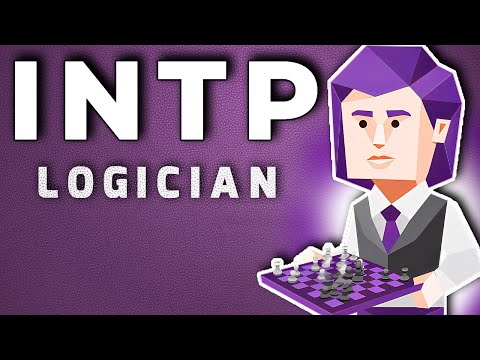
You know those folks who just seem to see the world in a different way? Yeah, I’m talking about the Logician personality type.
Este blog ofrece contenido únicamente con fines informativos, educativos y de reflexión. La información publicada no constituye consejo médico, psicológico ni psiquiátrico, y no sustituye la evaluación, el diagnóstico, el tratamiento ni la orientación individual de un profesional debidamente acreditado. Si crees que puedes estar atravesando un problema psicológico o de salud, consulta cuanto antes con un profesional certificado antes de tomar cualquier decisión importante sobre tu bienestar. No te automediques ni inicies, suspendas o modifiques medicamentos, terapias o tratamientos por tu cuenta. Aunque intentamos que la información sea útil y precisa, no garantizamos que esté completa, actualizada o que sea adecuada. El uso de este contenido es bajo tu propia responsabilidad y su lectura no crea una relación profesional, clínica ni terapéutica con el autor o con este sitio web.
They’re like the detectives of life, always piecing together puzzles and analyzing everything around them.
I mean, it’s pretty cool how they think! You ever met someone who dives deep into topics that most people wouldn’t even touch?
That’s them. They’re drawn to ideas and theories, constantly questioning and exploring.
Stick around, because we’re gonna unpack their traits and characteristics. And trust me, it’s gonna be an interesting ride!
Exploring the Rarity of the Logician Personality Type: Insights and Implications
The Logician Personality Type, also known as INTP in the Myers-Briggs Type Indicator, is one of the rarer personality types. It’s like spotting a unicorn! This type is characterized by a deep love for knowledge, a thirst for understanding, and often a playful approach to logic and problem-solving.
When you meet someone who identifies as a Logician, you might notice they’re always in their heads, thinking through complex problems or coming up with new ideas. They’re often seen as the philosophers or scientists of the personality world. You know what I mean? Their minds are constantly whirring, dissecting concepts and theories.
Now let’s break down some key traits of this unique personality:
- Analytical Thinking: They have an incredible ability to analyze situations and things logically. Imagine playing chess or solving a really tricky puzzle—Logicians thrive on that kind of stuff.
- Independent: They value their independence and often prefer to work alone rather than in groups. Being around too many people can feel overwhelming.
- Innovative: Their creativity shines through in unexpected ways. They can come up with out-of-the-box solutions that others might not see.
- Curiosity: A deep-seated curiosity about the world drives them to explore various topics and ideas. It’s not unusual for them to be found reading about quantum physics one day and ancient history the next.
You wouldn’t believe how deep their thoughts can go! I once had a friend who was an INTP, and he would lay awake at night pondering what would happen if we could travel faster than light. He’d weave these intense theories that could make anyone’s head spin! It was both exhausting and engaging at once.
However, being a Logician brings its own challenges too. Communication might be tricky sometimes because they tend to focus so much on logic that they forget how to connect emotionally with others. Imagine trying to explain your latest game strategy in detail while your friends want to dive into how much fun they had playing together instead—it can feel worlds apart!
It’s interesting to think about the implications of being such a rare type, though! Because there aren’t many Logicians around, those who do exist sometimes feel misunderstood or out of place in social situations where emotional cues dominate conversations.
Their rarity also means they contribute uniquely to society—bringing new ideas or challenging existing beliefs can lead us down fascinating paths of innovation or discovery. Like when someone invents something groundbreaking; it often starts from questioning established norms.
And let’s not forget how important it is for everyone—Logicians included—to have mental health support and resources when needed! While understanding personality types can help you relate better or understand yourself more deeply, it doesn’t replace professional help if you’re facing real challenges.
In all honesty, embracing your personality type—whether you’re a Logician or otherwise—is crucial for personal growth and improvement in relationships with others. So here’s to celebrating those unique thinkers out there; you truly make life more interesting!
Understanding INTP Attraction: Who Do INTPs Typically Fall in Love With?
INTPs, known as the Logician personality type in the Myers-Briggs Type Indicator, are often seen as thinkers, dreamers, and fantastic problem solvers. They love exploring ideas and theories more than social conventions. So, who do these deep thinkers typically fall in love with? Well, let’s break it down!
First off, INTPs are attracted to curiosity. They want someone who isn’t just going to nod along but instead challenges their thoughts. Imagine a game where you can brainstorm strategies or create complex worlds—having a partner who engages in that level of intellectual sparring is super appealing.
Here are some key traits that often catch an INTP’s eye:
- Intellectual Stimulation: If you can discuss the meaning of life over a cup of coffee or analyze a movie’s plot twist until dawn, INTPs will likely feel drawn to you.
- Open-Mindedness: They appreciate people who don’t take their opinions too seriously and can consider different perspectives. It’s about diving deep into conversations without judgment.
- A Sense of Humor: Witty banter is like catnip for an INTP! If you can make them laugh with clever jokes or playful sarcasm, they’ll be enchanted.
- Independence: A partner who values their own space and interests resonates well. INTPs need time alone to recharge so someone who respects that will attract them.
Now, sometimes an old-school RPG might help illuminate things here. Picture an *INTP* character strategizing their next move while chatting with a wise ally—you know, someone who throws in fascinating facts or challenges their plans in unexpected ways. That dynamic sparks excitement!
But it’s not just about intellect; emotional compatibility matters too! While INTPs might seem emotionally distant at times—they may struggle with expressing feelings—they actually appreciate partners who can be patient and understanding. Relationships where both sides communicate openly about feelings tend to thrive.
Another interesting aspect is how INTPs often find love in those with opposite traits. An extroverted person bursting with energy might balance out the introspective nature of an INTP. It’s like pairing two different characters that blend uniquely together—think fire and ice!
In all honesty though, relationships are personal journeys. Each individual has distinct experiences shaped by their backgrounds and values. An INTP might find themselves falling for someone unexpected simply because they connect on some level that transcends personality traits.
So if you’re smitten by an INTP or curious about how they tick emotionally? Just remember: embrace discussions, respect their need for space, and don’t shy away from pulling them into a fun debate once in awhile.
Overall, while knowing these patterns can help understand attraction better—the real beauty lies within those individual connections we form with one another! And always keep in mind that seeking guidance from professionals can shed light on personal relationship dynamics if needed.
Exploring the 5 Rarest Personality Types: Understanding Their Unique Traits and Characteristics
Alright, let’s talk about the Logician personality type! These folks are part of the rarest types out there, often diving deep into the intellectual pool while keeping a bit of mystery about them. So, what do they really bring to the table?
Logicians, also known by their **INTP** label in the Myers-Briggs system, are typically characterized by a few essential traits. Let’s unpack them!
- Analytical Thinkers: Yep, these guys love to analyze everything! They thrive on solving complex problems and often approach situations from a logical perspective. Imagine trying to solve a puzzle in a game like Portal; that’s like their daily life!
- Independent: Logicians value their freedom and often prefer working on projects alone rather than in teams. They need space to think and explore ideas without distractions. Picture playing an open-world game where you choose your path—totally their vibe!
- Innovative: Creativity runs wild with Logicians. They’re not afraid to challenge traditional ways of thinking and come up with new ideas or theories. Think of them as inventors in a sandbox game where they can build anything they want.
- Curious: This is where it gets really interesting! Logicians are naturally inquisitive. They often ask “why” about everything, digging deeper until they uncover the core truths behind concepts or systems.
- Reserved: Although they have rich inner lives, Logicians can seem aloof or distant to those who don’t know them well. Emotions aren’t always their strong suit; they might be more comfortable discussing theories than sharing feelings.
I remember meeting a friend who was totally a Logician. We were playing chess—which, let’s face it, is like intellectual warfare—and instead of just focusing on winning, he explained his entire strategy to me mid-game! It was like watching a mathematician at work—so methodical yet creative.
But here’s something crucial: while understanding these types can enhance your interactions with others*—it doesn’t replace professional help if you or someone you know needs it. Each individual is unique and may not fit neatly into one personality category.
All said and done, if you’re ever curious about why someone approaches life differently or seems lost in thought at times—remember that there might just be an intriguing Logician behind those expressive eyes!
You know, I was chatting with a friend the other day about personality types and how they come out in our everyday lives. It got me thinking about the Logician. This personality type is like that friend who’s always analyzing everything—like, seriously digging deep into why things are the way they are. You can usually spot them in a group, quietly observing while everyone else is laughing and chatting.
So, what does it mean to be a Logician? Well, first off, these folks tend to be super logical and rational thinkers. They love to solve puzzles and think of creative solutions to complex problems. I mean, can you picture someone who gets excited over a Rubik’s Cube? That’s pretty much them! They approach life with curiosity and sometimes can come off as aloof or detached because they’re stuck in their heads figuring things out.
I remember this one time when my Logician buddy helped me navigate a tough decision. I was all over the place emotionally, stressed and second-guessing myself. And then he just sat me down and asked questions that made me really think about what I wanted—not what others expected from me. It was like shining a flashlight into dark corners of my mind! He’s analytical but not cold; he genuinely cares but just shows it in different ways.
Another neat trait about Logicians is their love for knowledge. They’re often lifelong learners—always diving into new topics for fun! You might find them binge-watching documentaries or reading up on quantum physics (seriously!). What’s fascinating is their ability to connect seemingly unrelated ideas; it’s like seeing the world through a unique lens.
On the flip side, though, being a Logician isn’t always easy. Sometimes their intense focus on logic can lead them to overlook emotions—both theirs and others’. This can cause misunderstandings or come across as insensitivity at times. For example, if someone is upset and just needs comfort, these guys might jump straight into problem-solving mode instead of being there emotionally first.
But here’s the thing: embracing those logical traits while also acknowledging emotional needs can create such powerful dynamics in relationships—whether friendships or romantic ones. It reminds us that balance is key!
All in all, if you know someone who fits this description—or maybe it sounds like you—celebrate those quirky traits! Life through a Logician’s eyes can be pretty fascinating!