So, let’s chat about something that’s been on my mind lately: delinquent behavior. You know, those moments when kids just go off the rails? It’s wild how quickly things can spiral out of control.
Este blog ofrece contenido únicamente con fines informativos, educativos y de reflexión. La información publicada no constituye consejo médico, psicológico ni psiquiátrico, y no sustituye la evaluación, el diagnóstico, el tratamiento ni la orientación individual de un profesional debidamente acreditado. Si crees que puedes estar atravesando un problema psicológico o de salud, consulta cuanto antes con un profesional certificado antes de tomar cualquier decisión importante sobre tu bienestar. No te automediques ni inicies, suspendas o modifiques medicamentos, terapias o tratamientos por tu cuenta. Aunque intentamos que la información sea útil y precisa, no garantizamos que esté completa, actualizada o que sea adecuada. El uso de este contenido es bajo tu propia responsabilidad y su lectura no crea una relación profesional, clínica ni terapéutica con el autor o con este sitio web.
I mean, think about it. One day they’re playing soccer in the park, and the next they’re getting into serious trouble. Crazy, right? What makes them take that leap?
There’s a whole world of reasons behind these actions. Seriously! Family issues, peer pressure, maybe even just boredom. It’s not always easy to wrap your head around it.
And hey, it doesn’t just stop at the kids themselves. The consequences can ripple out and affect families and communities too. So buckle up; we’re going to take a closer look at what drives this behavior and what it means for everyone involved!
Understanding the 5 Key Factors Contributing to Juvenile Delinquency: A Comprehensive Overview
Juvenile delinquency is a serious issue that many communities face. It’s crucial to understand what might lead young people down this path. Here are five key factors that contribute to delinquent behavior, and, honestly, it’s a lot more complex than it might seem at first glance.
- Family Influences: Our families shape us in many ways. Kids from unstable homes—like those with marital problems or substance abuse—tend to engage in delinquent acts more often. Let’s say you have a friend who was always getting into trouble at school. When you learned their parents were going through a rough patch and often fighting, it made sense why they acted out, right?
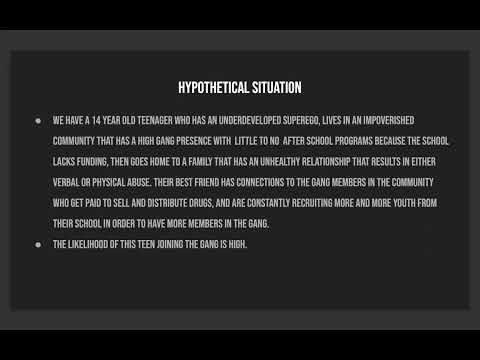
- Poverty and Socioeconomic Status: Financial struggles can be a huge stressor for families. Children in low-income neighborhoods often face limited access to resources like quality education or after-school programs. Imagine being bored after school with nowhere safe to go—some kids might turn to the streets as an escape, leading them into risky behaviors.
- Peer Relationships: You know how influential friends can be? Well, sometimes kids fall in with the wrong crowd. The need for acceptance can drive some to participate in delinquent activities just to fit in. It’s like when you’re playing an online game, and your squad decides to go for some dangerous move just because they think it’ll be fun—even if it’s not smart!
- Community Environment: Living in a neighborhood rife with crime can normalize deviant behavior. If crime is all around you, it gets harder to see another way of living. Think about characters in video games who grow up in war zones—they’re more likely to wield weapons than someone from a peaceful town.
- Mental Health Issues: Sometimes underlying mental health problems contribute significantly to delinquency. Issues like depression or ADHD can affect impulse control and decision-making skills. For example, if someone has trouble focusing and feels overwhelmed by their emotions, they might lash out or engage in risky behaviors as a coping mechanism.
The interplay of these factors creates a web of influences that can lead youth into trouble. Each situation is unique—you could have two kids from similar backgrounds but different outcomes based on how they handle stress or who they hang out with.
Recognizing these risks is vital for communities aiming to support at-risk youth effectively. Offering mentorship programs or recreational activities could provide positive outlets for kids struggling with these challenges.
So remember, while understanding these factors adds depth to the discussion around juvenile delinquency, it’s important not to lose sight of the fact that every individual is different and may need tailored support systems—what works for one may not work for another! It’s perfectly cool—and necessary—to seek professional help when dealing with issues surrounding juvenile behavior.
Understanding the Three Stages of Delinquency: A Clear Guide to Developmental Phases
So, let’s take a closer look at delinquency. It’s a topic that can feel heavy, but breaking it down into different stages makes it way easier to understand. Delinquent behavior often develops in phases, and recognizing these can really help us grasp how kids find themselves in trouble.
The Three Stages of Delinquency usually unfold as follows:
- Stage 1: Initial Disruption – This is where everything begins. It often starts with minor misbehavior or rebellious acts. Think about that kid who skips school for the first time or maybe sneaks a snack before dinner. It might seem innocent, but it sets the stage for more serious issues down the line.
- Stage 2: Escalation – Once those small disruptions are in play, behaviors can escalate. This phase might include things like truancy or vandalism. Here’s where we start to see a shift; the fun and thrill of rebellion can lure them deeper into risky actions. Picture a game: just like in Mario Kart when you go off track for that extra boost – sometimes it feels good until you crash!
- Stage 3: Chronic Delinquency – At this point, the behavior has become more consistent and serious. Offenses may include theft or violence. Kids at this stage might even start to think of themselves as «bad» or «delinquent,» which creates a cycle that’s hard to break out of.
Now, while these stages provide a framework for understanding delinquent behavior, it’s important to know they’re not set in stone. You might see some kids skip straight from minor mischief to heavier offenses without going through every stage.
Causes and Consequences of delinquency are often tied closely to these stages:
- Influence of Environment: Home life plays a huge role here. A chaotic household or absence of support can push kids toward delinquent activities.
- Sociocultural Factors: Peer pressure matters! Friends who engage in risky behaviors can make kids feel like they need to follow suit.
- Lack of Support Systems: Schools and communities that don’t provide positive guidance may leave kids feeling lost.
Let me tell you about my friend Jake from high school. He started off sneaking out with friends—which seemed pretty harmless at first—but over time he got involved with other kids who were into shoplifting and tagging walls. By the end of senior year, Jake was facing some serious charges! It was sad because he was really just looking for acceptance but ended up deep in trouble.
All this leads to consequences that extend beyond just legal issues; they impact self-esteem, education, and future opportunities too. The truth is, understanding these stages helps parents and educators recognize warning signs early on—and maybe steer kids back on track before things spiral out of control.
If you’re worried about someone traversing these phases or facing challenges related to delinquency, reaching out for help is key! Just remember that this information doesn’t replace professional advice—it’s meant to guide conversations and awareness! So stay informed and keep an open heart when navigating these complexities; sometimes all it takes is one supportive figure to turn things around!
Exploring Delinquent Behavior: Causes, Consequences, and Psychological Insights (PDF)
Delinquent behavior, you know, is something that can puzzle a lot of people. It’s like trying to figure out why some kids throw rocks at windows while others are busy playing with Legos. There are various reasons behind this kind of behavior, and they can range from environmental factors to psychological issues.
First off, let’s talk about the **causes** of delinquent behavior:
- Family Dynamics: A tough home life can be a big influence. Kids who experience neglect or abuse may act out because they feel unsafe or unvalued.
- Peer Pressure: Sometimes, hanging out with the wrong crowd encourages kids to engage in risky activities just to fit in. Imagine playing a game where everybody’s trying to win by cheating – that’s basically how peer pressure works.
- Socioeconomic Status: Growing up in poverty can limit opportunities and lead to frustration. Some may resort to delinquency as a way to escape their situation or seek attention.
- Mental Health Issues: Disorders like ADHD or conduct disorder can play a role too. These kids might struggle with impulse control or aggression, leading them into trouble.
So what about the **consequences**? Well, delinquent behavior doesn’t just affect the kids; it ripples through families and communities.
- Legal Troubles: Getting caught can mean facing legal consequences which might feel like an endless loop of court dates and fines.
- Academic Consequences: Trouble often leads to dropping out of school or failing classes, making it hard for them to find good jobs later on.
- Sociocultural Impact: A label of «delinquent» can lead to social stigma. It’s like wearing a badge that says “I messed up,” and not everyone wants to be friends with someone wearing that badge.
You know what really hits home? When I think about these causes and effects, I remember my friend Jake from high school. He was super talented in art but got mixed up with a group that just didn’t care about anything positive. He started skipping classes and getting into trouble all the time. The thing is, he was also dealing with some family issues that made him feel alone. Eventually, he got caught vandalizing property; thankfully he had supportive adults who helped him turn things around before it became worse.
Now let’s discuss some **psychological insights** into delinquent behavior.
- Cognitive Development: Delinquents often display different patterns of thinking compared to their peers. Their decision-making skills may be underdeveloped, which affects how they weigh risks versus rewards.
- Emotional Regulation: Many struggle with controlling emotions such as anger or frustration. They might lash out without considering consequences because emotions take over their reasoning.
- Sensation Seeking: Some kiddos are naturally drawn towards thrill-seeking behaviors which often leads them down risky paths – think of it as always wanting the next level in a video game but without any boundaries!
While it’s crucial for us as a society to understand why these behaviors happen, remember that this information doesn’t replace professional help if you’re dealing with these issues personally or within your community.
So yeah, understanding delinquent behavior is complex but super important for helping those who need it most! It’s all about digging deeper beneath the surface and uncovering those layers—because every story has more than one side, right?
You know, delinquent behavior can sometimes feel like one of those tricky puzzles. Each piece has its own story, connected to personal experiences, social influences, and even biological factors. It’s kind of wild to think about how a young person’s choices can be shaped by so many things, right?
I remember this one time in high school when a friend of mine got into some serious trouble. He was a good kid, loved playing soccer and cracking jokes in class. But then he started hanging out with a different crowd—kids who were up to no good. I guess he wanted to fit in or something, but the next thing I knew, he was facing legal issues and all that drama.
So what causes this kind of behavior? Well, there are often underlying issues at play. Some kids come from tough backgrounds—maybe they’re dealing with family problems or lack adequate support at home. It could also be peer pressure—wanting to impress others can lead to making some pretty bad decisions.
But it’s not just the environment; biology matters too! Some studies suggest that certain genetic factors might make a person more prone to impulsivity or aggressive behaviors. So when you mix those predispositions with external pressures? That’s where things can get messy.
And let’s talk about the consequences! When someone gets caught up in delinquency, it doesn’t just affect them. Their families bear the brunt of it too—think about the heartache and stress that comes with having a loved one face legal troubles. Plus, there’s the stigma they carry around afterward. People tend to label you based on your past actions, which is tough to shake off.
Ultimately though? We need to focus on understanding these behaviors instead of just punishing them. There should be room for compassion and support because everyone deserves a chance at redemption—you feel me? With the right guidance and understanding, maybe we could help steer those troubled youths back onto a better path.
In short, delinquency isn’t just about bad choices; it’s a complex dance between personal history and social context that shapes young people in profound ways. And who knows? Maybe understanding these factors could lead us toward solutions that actually work in helping them change their lives for good.


